
In a groundbreaking development for the electric vehicle industry, Chinese automaker BYD has overtaken Tesla as the global leader in EV sales for 2025. On Thursday, BYD reported a nearly 28% increase in sales of its battery-powered vehicles, reaching over 2.5 million units. Tesla, set to release its annual sales figures on Friday, is anticipated to have sold around 1.65 million EVs, according to analyst estimates from the previous week. The image features Wang Chuanfu, the chairman and CEO of BYD Co.
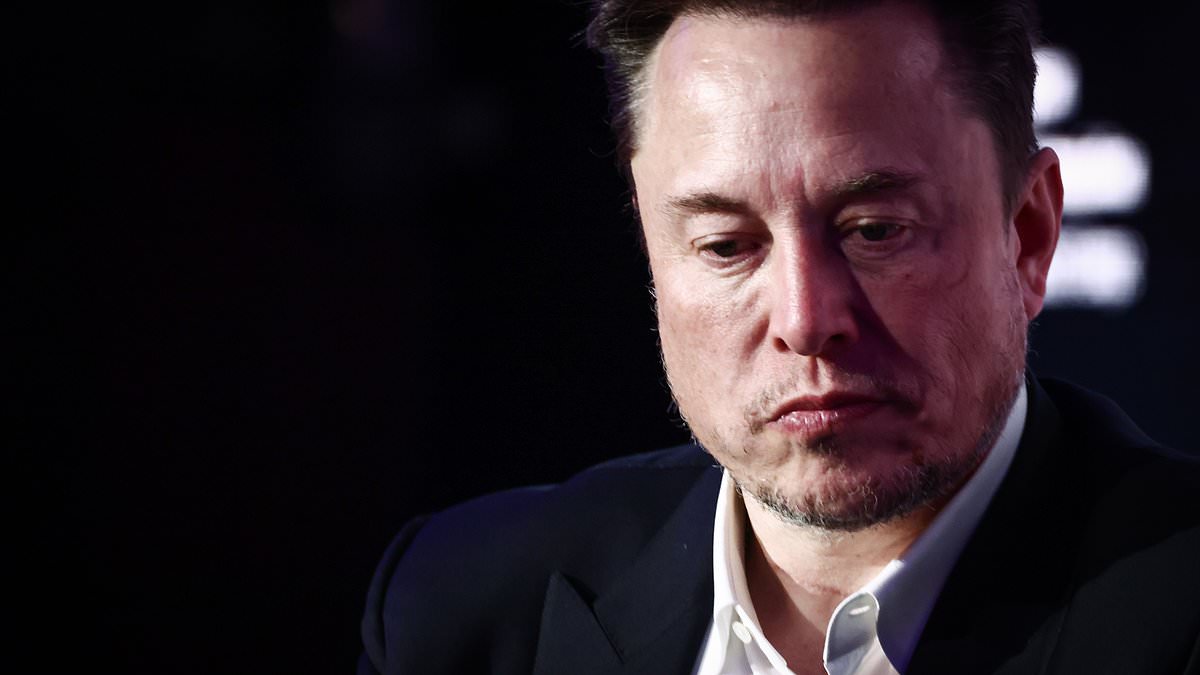
The American electric vehicle titan Tesla has faced mounting challenges from Chinese competitors, as well as some public discomfort regarding CEO Elon Musk’s political views and mixed reactions to new Tesla models. Chinese automakers such as BYD, Geely, and MG are aggressively competing with Western companies, attracting consumers with more affordable options. Dan Coatsworth, head of markets at AJ Bell, commented to the Daily Mail, “Tesla initially had a significant advantage in the EV market, but its dominance is fading. Price is a critical factor for consumers, and BYD has claimed the top spot by offering more competitive pricing than its American counterpart.”
Coatsworth further noted, “While Tesla might boast superior battery range and advanced technology, many consumers are content with more conventional options as they transition to electric vehicles. However, BYD offers much more than just basic features, competing strongly in both price and capabilities.” In response to the increasing competition from Chinese manufacturers, Tesla introduced more affordable versions of its two most popular models in October. Beyond Tesla, Musk’s ventures also include the social media platform X, the aerospace company SpaceX, and the tunnel construction firm, the Boring Company.
This slew of commitments, along with running Trump’s Department of Government Efficiency (Doge), led some investors to allege Musk was not paying Tesla enough attention. Later in 2025, Musk vowed to cut back his government work. In November, Tesla shareholders approved a £740billion potential pay package for Musk. Musk won shareholder approval for the largest pay package in history, as investors endorsed his vision of morphing the EV maker into an artificial intelligence and robotics juggernaut. If Musk delivers on the ambitious milestones in the pay package laid out at the annual meeting, he could become the world’s first trillionaire. To secure the record-breaking payout, Musk has to significantly boost Tesla’s sales and stock market value over the next decade and sell a million humanoid robots over the next ten years.
BYD was founded in 1995 by Wang Chuanfu, a Chinese chemist and entrepreneur. It used to be just an electric battery manufacturer based in Shenzhen, making lithium-ion batteries for mobile phones. However, by 2003, BYD was in the position to sidestep into the automotive industry, acquiring a small car maker called Xi’an Qinchuan Automobile. It’s first combustion car, the F3, arrived in 2005, before releasing the plug-in hybrid F3DM in 2008. In 2011, Musk naively laughed off the threat of BYD.
During a Bloomberg interview, the Tesla boss scoffed: ‘Have you seen their [unnamed] car? I don’t think it’s particularly attractive, the technology is not very strong. ‘And BYD as a company has pretty severe problems in their home turf in China. I think their focus is, and rightly should be, on making sure they don’t die in China.’ However, a decade after Musk’s comments, BYD began exporting outside China.
By 2024, it reached an annual overseas sales figure of 417,204 units – representing a 71.86 per cent increase on 2023. And by 2030, BYD aims to sell half its cars outside its native land. In April, the Chinese brand officially sold more pure electric cars in Europe than Tesla for the first time on record. BYD sales rose 169 per cent compared to April 2024, versus Tesla’s dropping 49 per cent. In September 2025, Warren Buffett’s investment firm fully exited its stake in BYD after backing the ‘Tesla killer’ for 17 years.