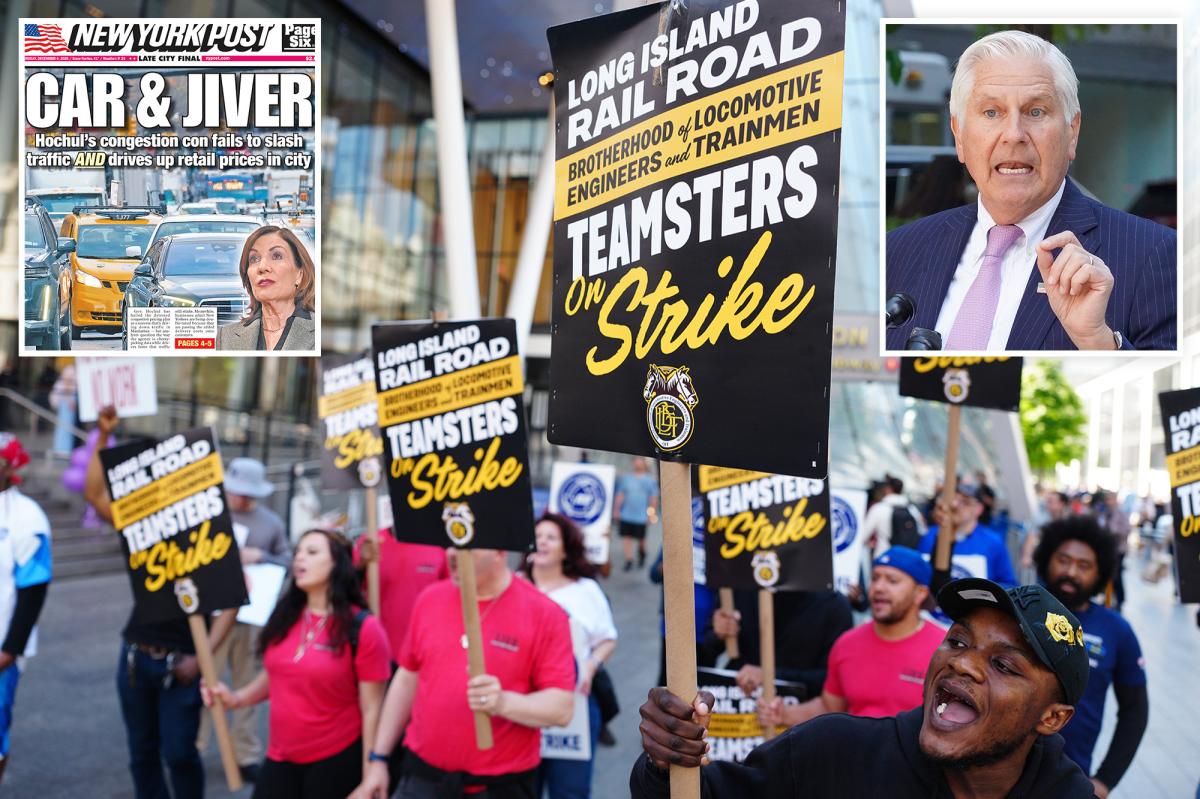


In the midst of the Long Island Rail Road strike, Republican gubernatorial candidate Bruce Blakeman has urged for the suspension of the $9 congestion pricing toll for drivers entering the heart of Manhattan. This charge, intended to reduce traffic in the city, has become a point of contention as commuters seek alternative routes during the disruption.
Blakeman’s position aligns with a legislative proposal by Assemblyman Ed Ra from Garden City, who has introduced a bill to halt the congestion toll during any future strikes involving workers from NYC Transit, Metro-North, and the LIRR. This initiative reflects a growing concern for the financial burden placed on motorists during transit disruptions.
Originally established under the leadership of former Governor Andrew Cuomo and sanctioned by the state legislature, congestion pricing has been a contentious issue. Governor Kathy Hochul has since adjusted the policy, initially pausing it and later revising the toll structure in 2024. The Metropolitan Transportation Authority approved and put the revised toll into effect last year.
While state law prohibits New York City transit workers from striking, with the Transport Workers Union facing severe penalties for illegal strikes, the situation is different for the LIRR unions. Operating under federal law, these unions have the right to strike without facing similar repercussions. This legal distinction allows them more leverage in labor negotiations compared to their city counterparts.
Under state law, New York City transit workers are barred from striking. Transport Workers Union could face stiff fines and loss of automatic dues collection from members’ paychecks if it engages in an illegal strike, which is what happened during the 2-day illegal strike in 2005.
But the LIRR unions are covered by federal law and can strike without penalty.
The new bill from Assemblyman Ra bill would also require the MTA — the parent agency overseeing the LIRR, NYC Transit and Metro-North — to return any charges collected from monthly ticket holders for business days when service is interrupted by a strike.