
In Brief
- NT authorities have issued a warning for the virus that killed two people between April and May.
- Mosquito collecting and testing sites are operating across central Australia.
Following two fatalities from a mosquito-transmitted virus in a remote region, officials are urging the public to wear protective clothing and apply insect repellent diligently.
On Tuesday, health authorities in the Northern Territory announced that two individuals had succumbed to Murray Valley encephalitis (MVE).
These tragic incidents took place in Alice Springs, occurring in April and May, as reported by a spokesperson from NT Health.
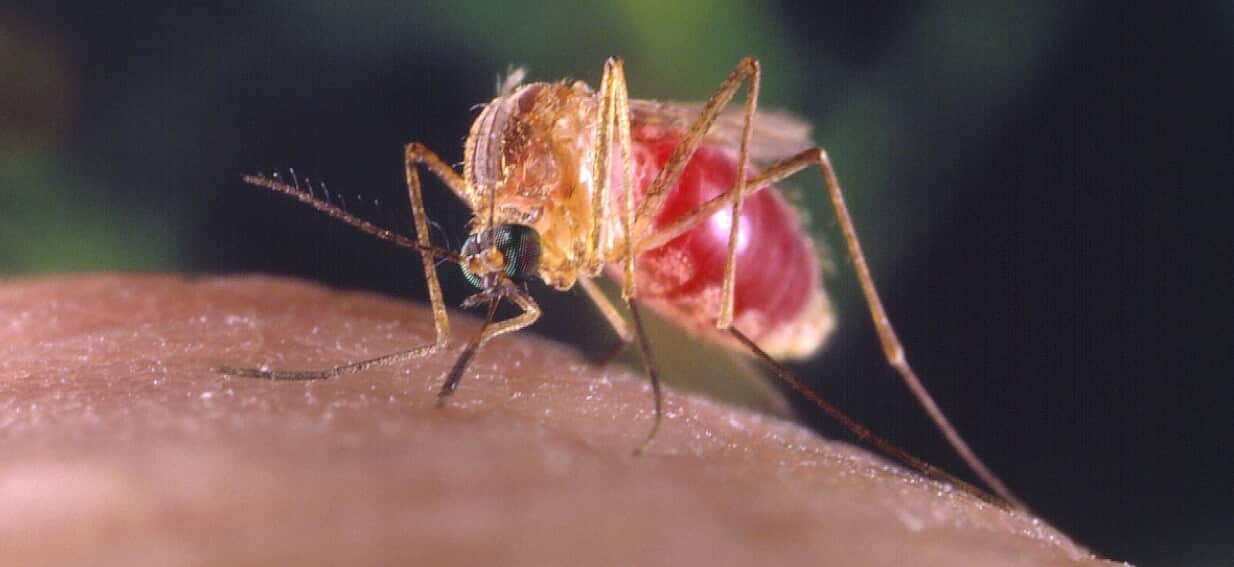
The rare and potentially life-threatening virus can be contracted when a mosquito carrying the infection bites a person.
In the Northern Territory, the virus is most commonly spread between February and June, with the peak period from March to May.
This year, however, the risk has been heightened due to unusually heavy rainfall.
Health authorities undertake mosquito surveillance and testing across the Top End for the virus from January to June each year.
A spokesperson confirmed MVE was detected twice during testing near Darwin.
Mosquito collecting and testing sites are currently operating in central Australia.
Symptoms of the virus include severe headache, fever, nausea and vomiting, muscle aches, drowsiness, confusion and seizures.
Water sources, including isolated pools, provide ideal breeding conditions for mosquitoes, which are most active after sundown, at night and early in the morning.
NT Health has encouraged residents and visitors to protect themselves by applying insect repellent containing DEET, picaridin or oil of lemon eucalyptus, to wear light-coloured protective clothing and to cover their feet.
They should also ensure tents are mosquito-proof, avoid mosquito-prone areas, especially after sundown, and use mosquito coils or mosquito lanterns for outdoor areas.
During a 2023 outbreak, eight cases were recorded, including two deaths and two cases resulting in severe neurological impairment.
For the latest from SBS News, download our app and subscribe to our newsletter.