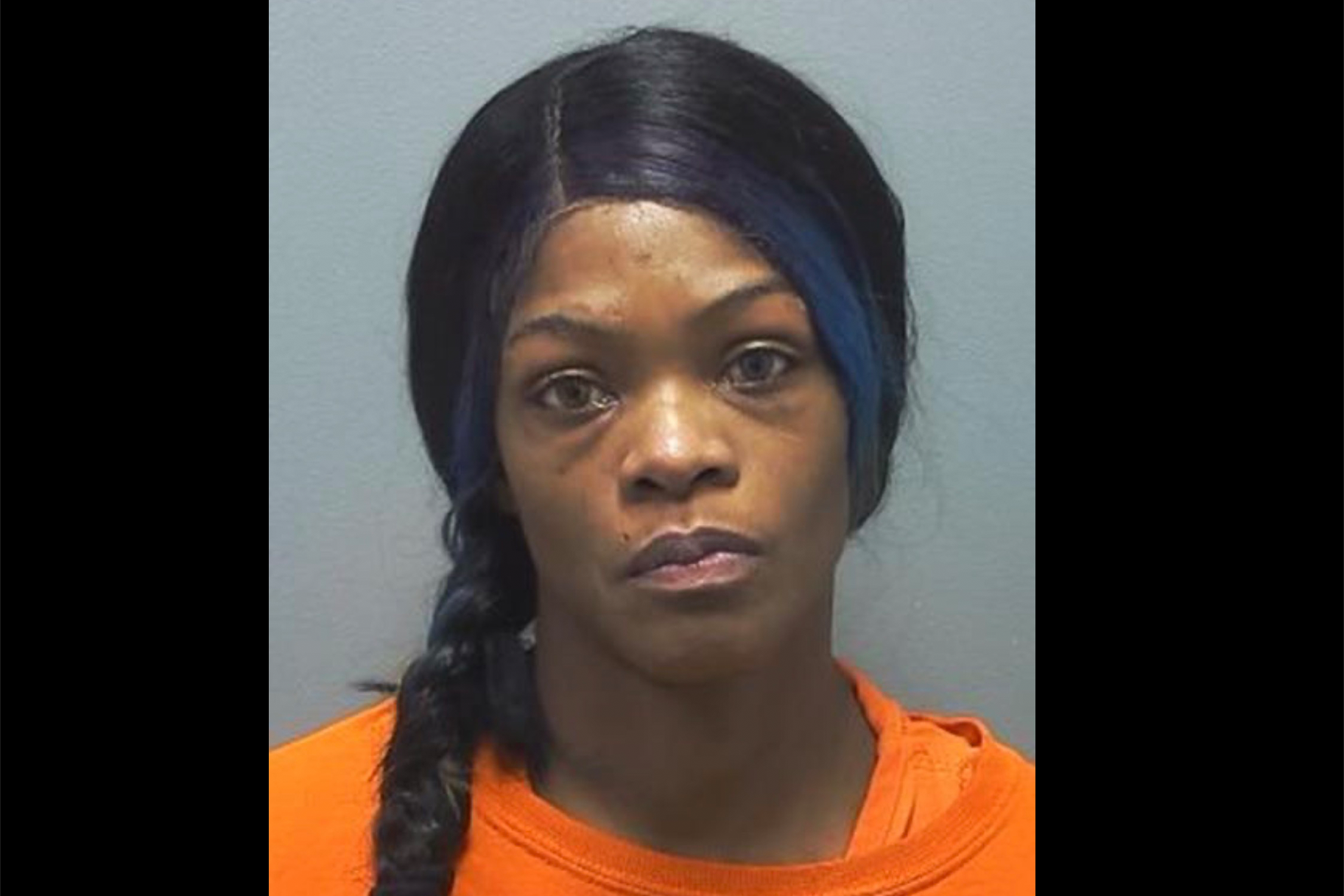

A Georgia woman has been sentenced to spend several decades behind bars for the heinous murder and disfigurement of a young child.
Phillissa Diallo received a 37-year sentence, with 21 of those years mandated to be served in prison, as detailed in a May 18 press release from the Office of the District Attorney for the Blue Ridge Judicial Circuit. The remainder of her sentence may be served on probation, according to court documents accessed by the public.
Diallo admitted to charges of second-degree murder, child cruelty, and concealing a death, submitting a non-negotiated guilty plea.
On December 14, 2022, Diallo approached the Canton Police Department to report the death of a child in her home. Upon investigation, officers discovered the mutilated body of 2-year-old Alyssa Rose Davis. The child’s remains were found in a plastic storage container filled with a salt-like substance and hidden beneath other items in a closet.
Authorities could not pinpoint the exact date of Alyssa’s death but confirmed her last sighting was on December 8, as stated in the press release. An autopsy revealed Alyssa succumbed to toxic levels of acetaminophen, a common pain reliever, and diphenhydramine, an antihistamine.
Further investigations suggested that Alyssa’s stomach had been deliberately cut open, according to Deputy Chief Assistant District Attorney Rachel Hines.
“The medical examiner said that her stomach organ was empty,” Hines told Oxygen. “Meaning…if someone were trying to get the contents of her stomach out.”
Diallo and Alyssa’s mom originally met through a friend and often helped each other out with childcare, said Hines. Because Alyssa’s mom worked overnight shifts, she arranged for Diallo to care for Alyssa during a two-week period.
“The mom had lost contact with Diallo in the days leading up to when she turned herself in,” said Hines. “It wasn’t clear to the mom exactly what was going on, but she was working and busy. It was a way for her to survive at that time.”
There were sporadic FaceTime calls with Alyssa, Facebook messages to her mom and stories about Diallo losing her phone, said Hines, adding, “There were a couple of bizarre statements…what I would say are lies to the mom.”
Alyssa’s mom ultimately learned of her daughter’s death from law enforcement.
While Diallo refused to provide authorities with an explanation, per the press release, Hines said that at one point, Diallo wrote an Instagram message to Alyssa’s mom asking if her daughter ever sleeps at night.
Meanwhile, Ring camera footage cited in the press release suggested Diallo had left Alyssa home alone for long periods of time.
Diallo later indicated that Alyssa had somehow “got into medicine,” according to Hines. However, because Alyssa’s body had decomposed by the time of the autopsy, it was unclear how much medicine was in her system.
“There are a lot of unknowns,” said Hines. “It’s equally possible that she gave the child medicine to keep her quiet and maybe didn’t realize how much and how long her little body could be exposed to that.”
Despite unanswered questions, prosecutors argued that Diallo took deliberate steps to conceal Alyssa’s death: Home security footage cited in the press release allegedly depicted Diallo carrying bleach into her residence, while crime scene photos showed where blood had been cleaned.
Diallo’s mental health was also questioned.
An expert introduced by Diallo’s defense team claimed she was delusional, according to the press release. However, a Georgia Department of Behavioral Health expert testified that Diallo was not experiencing delusional thoughts at the time of the incident. Prosecutors also said Diallo’s history of depression and anxiety was not relevant to the case.
What’s more, prosecutors argued that Diallo admitted during the prosecution of the case that Alyssa was alive when she found her and that if she called 911, she may have saved the toddler’s life.
Attorneys for Diallo did not immediately reply to a request for comment from Oxygen.


