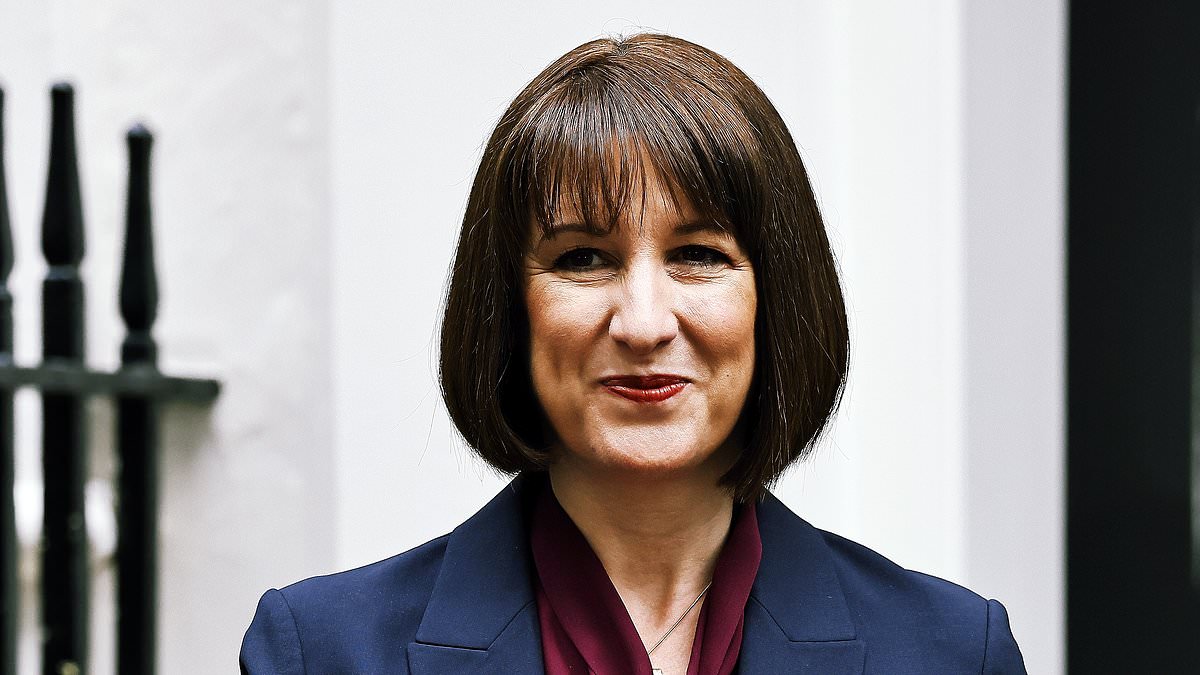

Rachel Reeves has reportedly collected an additional £200 million from motorists in just over six weeks, driven by rising fuel prices linked to the ongoing conflict in Iran.
According to recent analyses, the war’s impact on drivers’ expenses is expected to reach a staggering £1.3 billion by the end of today. This surge in costs has been attributed to the sharp increase in prices since the conflict began on February 28.
As a result, the Chancellor has seen a significant boost in VAT revenues, with an extra £215 million flowing into the Treasury. The increase in prices has led to the 20 percent tax making up a larger portion of the overall cost at the pump.
Currently, half of the price of petrol is comprised of taxes, including fuel duty, which contributes to Reeves’ revenue. For diesel, taxes account for 45 percent of the total cost.
This situation has led to renewed accusations of ‘profiteering’ from the crisis, with critics urging Reeves to use the unexpected funds to reduce fuel taxes. Such a move could provide relief for struggling drivers and help curb inflation.
In response to the situation, Canada and Germany have recently announced cuts to their fuel taxes, increasing the pressure on other governments to follow suit.
Canada said it was suspending its equivalent of fuel duty until September, while Germany unveiled a pumps relief package worth £1.4billion.
Rachel Reeves has netted an extra £215million in VAT receipts at the pumps as higher prices mean the 20 per cent levy accounts for a greater slice towards Treasury coffers
An average fill-up with petrol has already become £14 more expensive and £27 for diesel since 28 February, when the Iran war started

Lib Dem Treasury spokesman Daisy Cooper said Rachel Reeves was ‘playing a dangerous game with the economy’ by not slashing fuel taxes
Most European countries and other nations around the world have already slashed petrol and diesel taxes or capped prices to help out hard-pressed households.
But Ms Reeves and Sir Keir Starmer have instead insisted they are pressing ahead with plans to increase fuel taxes.
They have repeatedly dismissed calls to abandon their 5p a litre fuel duty hike, which is scheduled to kick in from September and will on average add another £3 to the cost of filling the typical 55-litre tank in a family car. An average fill-up with petrol has already become £14 more expensive and £27 for diesel since 28 February.
However, government sources today suggested a U-turn could be on the cards. One source said ‘possibly’ when asked if Ms Reeves may now scrap the hike.
It may form part of a cost-of-living relief package, expected to include an energy bill bailout for low-income households this winter.
While pump prices stopped rising yesterday, they are expected to remain high for several months.
And if the Strait of Hormuz, through which a fifth of the world’s oil travels, remains blockaded they could start rising again.
The Tories, Reform UK and Liberal Democrats have all called for Labour to drop its fuel duty hike, with the latter saying the Government should slash the levy by 10p a litre amid the crisis. It is currently 52.95p a litre.
The party’s Treasury spokesman, Daisy Cooper, said: ‘The Chancellor is playing a dangerous game with the economy.
‘At a time when local businesses and families are being hammered by a global energy crisis, it’s irresponsible for the government to be digging its heels in on its planned fuel duty hike.
‘If Rachel Reeves pushes ahead with this fuel raid, she’ll be forcing thousands of small firms into the red and sending food prices back through the roof.
‘The Chancellor must listen to the Lib Dems and introduce our emergency support package to cut petrol and diesel prices.’
Tory shadow transport minister Greg Smith added: ‘Cars are essential to millions of Brits.
‘Labour’s political choice to hike fuel duty is a massive kick in the teeth for so many, not least when other countries are cutting fuel duty.
‘This chancellor and PM need to get a grip, understand the real world and scrap their fuel duty hikes.’
A Treasury spokesman said: ‘Motorists are paying more because of the war in Iran. This is not our war and that is why we did not join it.
‘We are determined to keep costs down for motorists.
‘That’s why we have extended the 5p fuel duty cut twice until September and will continue to monitor the situation.’