
Growing tensions and leaked conversations between President Donald Trump and Israeli Prime Minister Benjamin Netanyahu seemed to imply a rift over Iran. However, a prominent defense analyst revealed to Fox News Digital on Sunday that this was a deliberate strategy aimed at keeping Tehran uncertain about their next move.
This public display, which appeared to show a disconnect between Washington and Jerusalem, was actually a clever tactic to pave the way for a unified diplomatic stance, the analyst explained.
According to Kobi Michael, a senior researcher at the Institute for National Security Studies (INSS) and the Misgav Institute, the plan reached its peak over the weekend. By Sunday, Trump and Netanyahu were demonstrating complete synchronization, presenting a united front to the world.
TRUMP AND NETANYAHU SET FOR HIGH-STAKES DISCUSSIONS AT THE WHITE HOUSE ON IRAN AND GAZA STRATEGIES
The leaders are poised to meet at the White House, signaling the importance of these discussions in shaping future policies concerning Iran and Gaza.
Last Thursday, Axios reported that a contentious phone call between Trump and Netanyahu centered on a revised U.S. proposal communicated to Iran via Pakistan. Netanyahu opposed this approach, advocating instead for renewed military measures to weaken Tehran’s infrastructure.
One U.S. source told the outlet that “Netanyahu’s hair was on fire” after the exchange.
Separately, weekend reports suggested Israeli leaders were being marginalized from U.S.-Iran negotiations after Netanyahu’s prewar push for a joint campaign to topple the Iranian regime failed to materialize.
Netanyahu broke his silence Sunday, posting on X to declare absolute solidarity with the White House and project a unified stance.
IRAN’S NEW SUPREME LEADER IS ‘HIS FATHER ON STEROIDS,’ EXPERTS WARN OF HARDLINE RULE
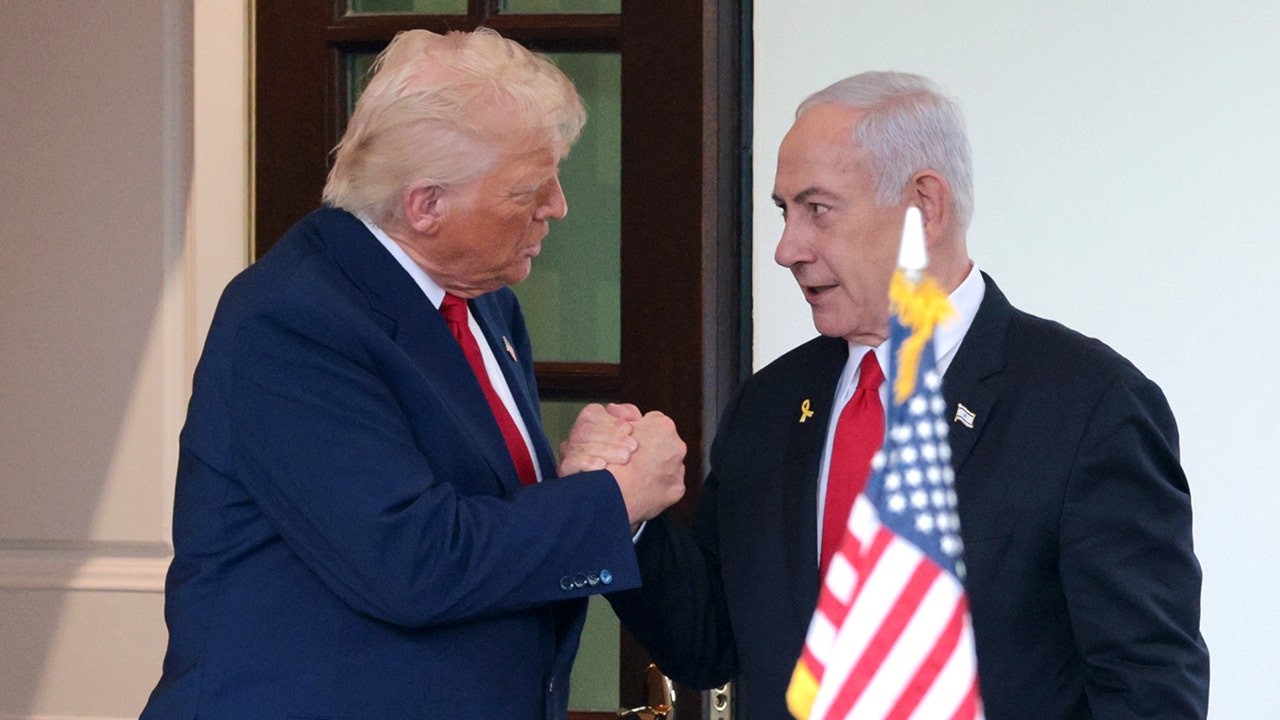
Israeli Prime Minister Benjamin Netanyahu speaks with President Donald Trump in the Oval Office at the White House on April 7, 2025. (Kevin Dietsch/Getty Images)
“The partnership between us and our two countries has been proven on the battlefield and has never been stronger,” Netanyahu shared on X. “My policy, like President Trump’s, remains unchanged: Iran will not have nuclear weapons.”
Michael viewed the public friction and targeted leaks as a calculated tactical feint designed to keep Tehran blindsided.
“Neither President Trump nor Prime Minister Netanyahu has any interest in any crisis, but by leaking the story of a crisis between Trump and Netanyahu, the Iranians might find themselves surprised by the timing of the next military attack,” Michael said.
“The leak created a sense of disagreement between the two leaders and positions Trump as the leader who gives another chance to the diplomatic path despite the pressures of Prime Minister Netanyahu,” he said.
“Trump understands who the Iranians are.”
The final synchronization followed a weekend phone call in which Trump reassured Netanyahu that any final agreement with Iran would fully dismantle Tehran’s nuclear program.
UN’S NUCLEAR WATCHDOG WARNS ITS UNABLE TO CONFIRM IRAN’S PROGRAM IS ‘ENTIRELY PEACEFUL’
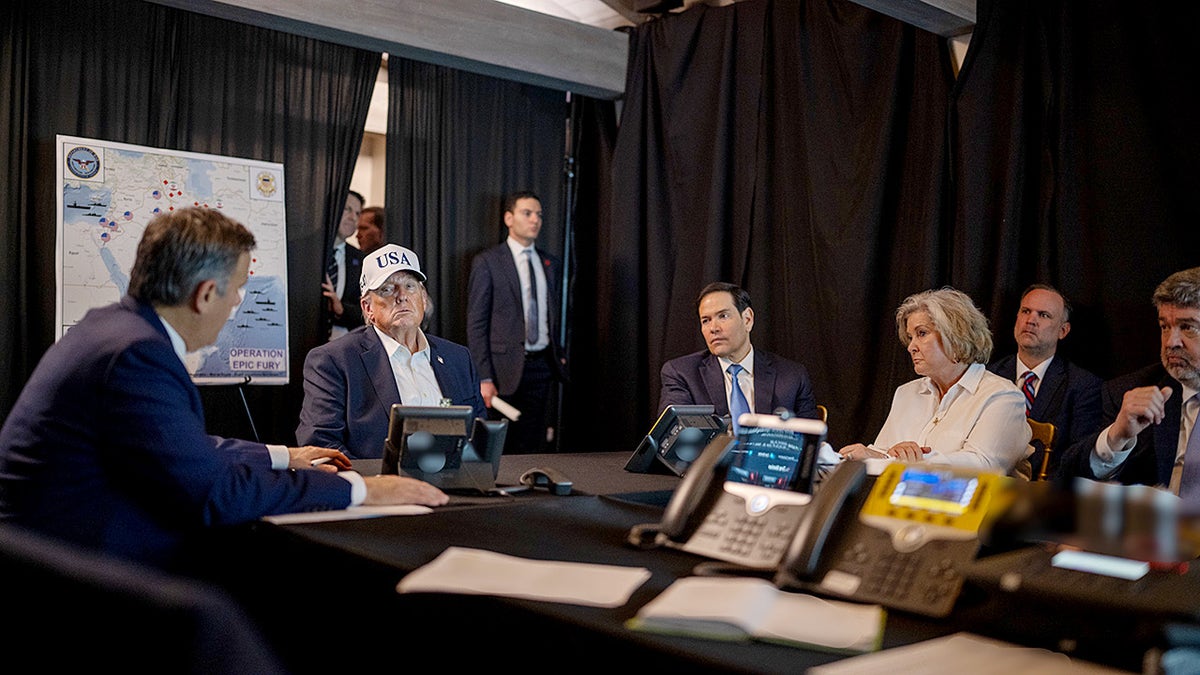
President Donald Trump monitors U.S. military operations in Iran following an Israeli strike in Tehran on Feb. 28, 2026, alongside several Cabinet members. (White House)
Netanyahu also said Trump also “reaffirmed Israel’s right to defend itself against threats on every front, including Lebanon.”
Washington has been keeping Jerusalem updated on the negotiations “over a memorandum of understanding to reopen the Strait of Hormuz and enter negotiations toward a final agreement on the points that remain in dispute,” an official statement read.
Following the Sunday call, Netanyahu also thanked Trump for his “exceptional commitment to Israel’s security.”
“Netanyahu’s last post about his last conversation with Trump can be understood as the ultimate closure to this deception and any accusations,” Michael added.
“This is trying to prepare the Israeli public for the idea that everything was fully coordinated with the U.S., and the diplomatic developments will serve the Israeli interest.”
Michael added, however, that skepticism remained in Jerusalem over whether the gaps between the U.S. and Iran will be bridged, or whether “Trump will accept the Iranian position.”
<!–>
–>