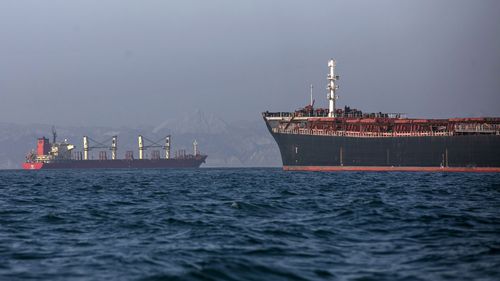

In a significant move towards de-escalation, Iran is prepared to restore commercial shipping through the Strait of Hormuz to pre-war levels within a month. This initiative is part of a broader framework under which the United States would simultaneously withdraw its military presence from the area surrounding Iran and lift a naval blockade.
According to state television, this framework, which specifically excludes military vessels and involves Iran managing ship traffic in collaboration with Oman, has yet to be finalized. Tehran emphasizes that no actions will be taken without “tangible verification,” ensuring that all parties are committed to the agreement’s terms.
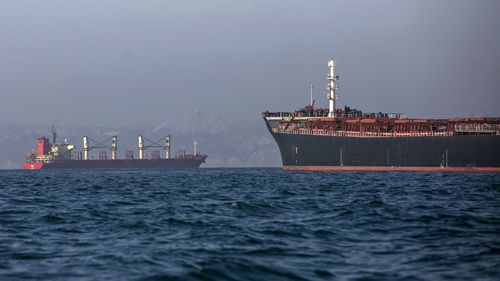
There’s optimism that if a conclusive agreement is reached within the next 60 days, it could be endorsed as a binding resolution by the UN Security Council, providing a stronger foundation for long-term peace and stability in the region.
This emerging Memorandum of Understanding (MoU) between the US and Iran is the result of indirect negotiations that commenced after the onset of the conflict in February. Pakistan has played a pivotal role in mediating these discussions, bridging the gap between Tehran and Washington.
The conflict began amidst escalating tensions between Iran and Israel, marked by an exchange of missile and drone strikes that disrupted gulf shipping routes. The situation escalated with US military involvement, sparking fears of a potential broader regional conflict. The proposed framework now aims to ease these tensions and restore normalcy in the region.