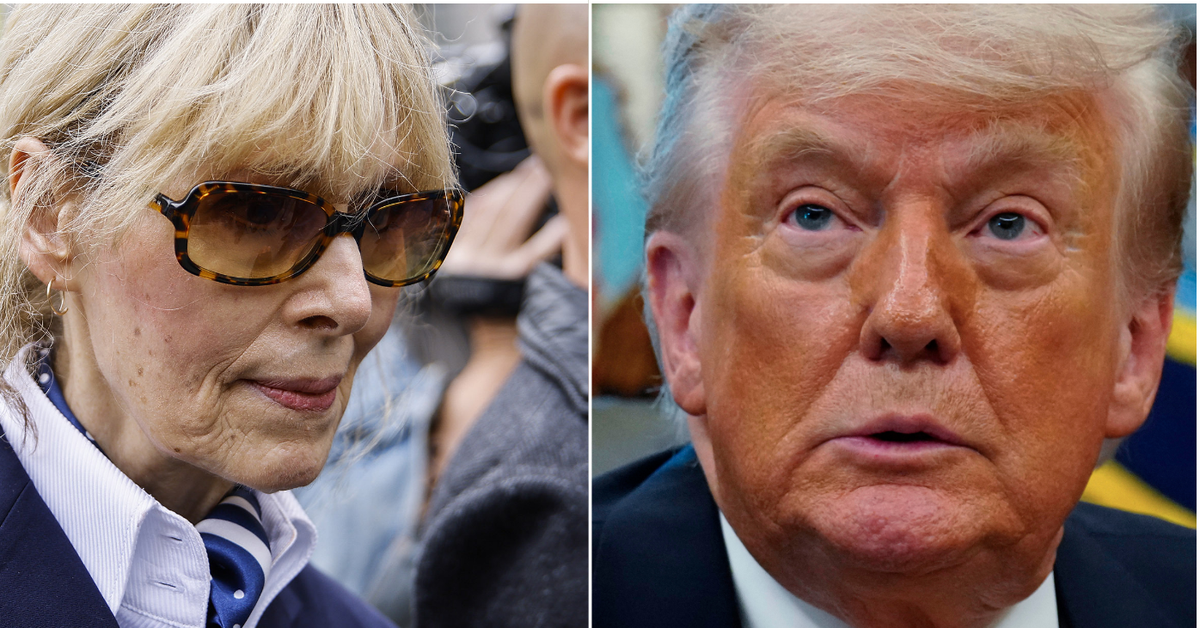

In a high-profile legal clash, E. Jean Carroll brought two separate lawsuits against Donald Trump. The first accused him of raping her in a New York department store, while the second focused on defamation claims.
During the Trump administration, prosecutors raised suspicions about Carroll’s testimony. They alleged she falsely claimed she had not received any external financial assistance in her legal battles against Trump.
The controversy deepened when it emerged that some of Carroll’s legal expenses were covered by Reid Hoffman, a billionaire who amassed his wealth as a co-founder of the popular social media platform, LinkedIn.
Despite the uproar, former federal prosecutor Joyce White Vance dismissed the potential for a serious investigation into Carroll’s statements. “There is not a grand jury in America that will indict E. Jean Carroll,” Vance confidently asserted, suggesting the unlikelihood of legal repercussions for Carroll.
Former federal prosecutor Joyce White Vance brushed off the threat of the investigation.
“There is not a grand jury in America that will indict E Jean Carroll,” she said.
The case has been opened by prosecutors in Chicago, where Hoffman’s non-profit is based.
Trump has been ordered to pay Carroll $115 million after a New York jury found that he raped her in the mid-1990s.
But Trump’s lawyers have repeatedly asked the Supreme Court to intervene so he wouldn’t have to pay her.
His lawyers argue that because his remarks about her were made when he was president, he was protected by presidential immunity.
Carroll’s defamation argument hinged on the president’s accusation that she wasn’t telling the truth when she came forward with her rape allegation.
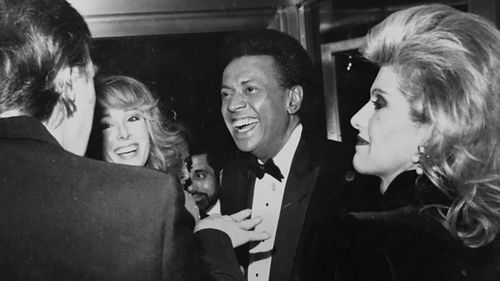
In 2019, Trump denied ever knowing Carroll and said she “wasn’t his type”.
A jury found she was telling the truth when she alleged Trump raped her in the dressing room of a New York department store.Â


