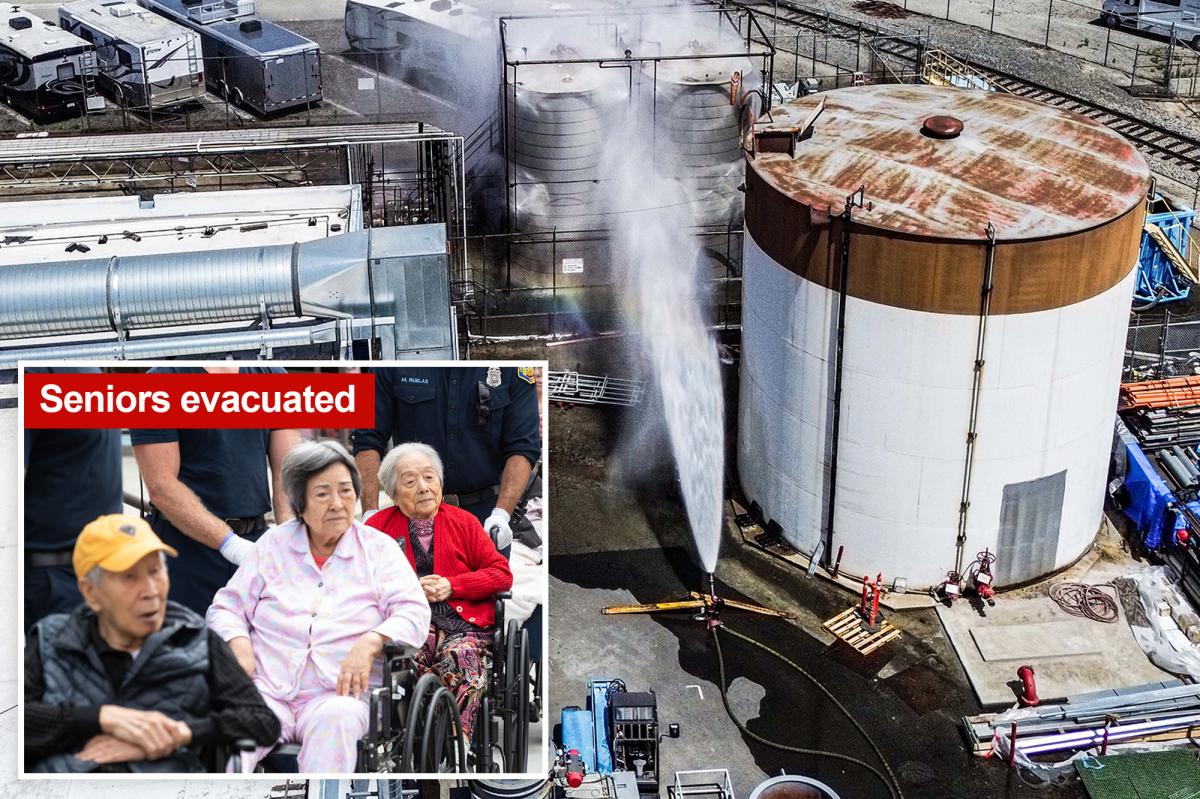


The Environmental Protection Agency (EPA) has responded to a hazardous chemical leak at an aerospace facility in Garden Grove, prompting an evacuation of around 50,000 residents due to the potential threat of an explosion, according to The California Post.
In collaboration with the Orange County Health Care Agency, the EPA is offering crucial air quality assessments and monitoring support to local officials. This assistance is vital for managing the situation effectively.
“Our air quality monitors, strategically placed throughout the affected area and nearby community, currently show no detectable levels of harmful substances,” the EPA stated. “We are coordinating closely with state and local authorities, including the Orange County Fire Authority (OCFA), which is leading the response effort.”
This response was initiated after a pressurized storage tank, containing 7,000 gallons of methyl methacrylate—a highly flammable compound used in the production of plastics—began to overheat when its cooling system malfunctioned.
Fire officials outlined two potential scenarios: a devastating explosion or a significant chemical spill.
Fortunately, due to a crack in the tank and cooling interventions by fire crews, the risk of an explosion was mitigated earlier in the week. On Tuesday evening, TJ McGovern, the Orange County Fire Authority Chief, announced that all evacuation orders for the public had been lifted.
“To the residents, we thank you again,” he said. “We understand the inconvenience and the difficulties and the challenges that this has all brought to you.”
A street closure remains in effect, Garden Grove Police Chief Amir El-Farra said. Western Street from Garden Grove Boulevard to Chapman Avenue is closed.
Crews are checking the temperatures of the tank and mitigating any issues. Orange County Health Officer Dr. CK said air monitoring would continue to ensure fumes from the chemicals don’t pose a threat.
Exposure to the chemical can have serious health consequences.
“It’s a respiratory irritant, so it can start off very mild, but it can progress to a point where, yes, you would probably require hospitalization, if not more,” Division Chief Nick Freeman of the Orange County Fire Authority told ABC7.
Exposure can occur through inhalation or direct contact. Short-term exposure may irritate the skin, eyes and respiratory system, while longer-term exposure can cause “severe respiratory distress.”