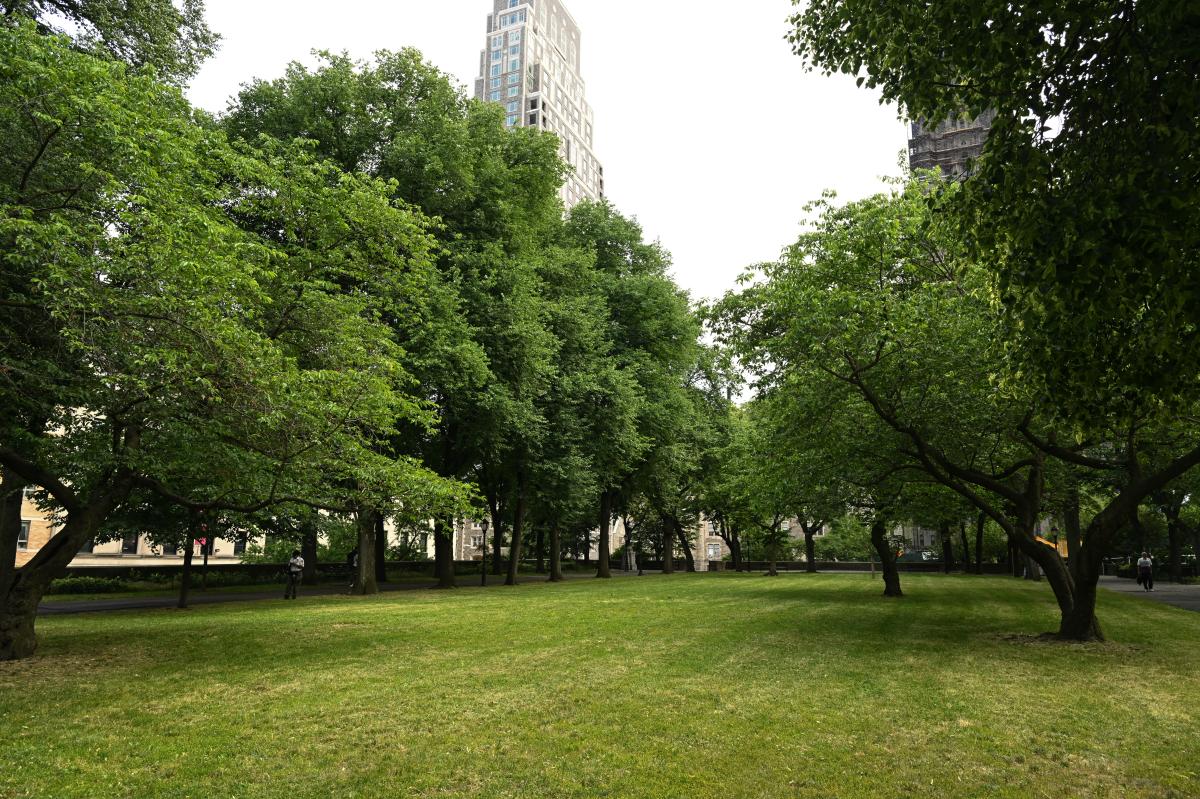

New Yorkers are set to shoulder a hefty $375,000 bill for the installation of just two water fountains in Manhattan’s Riverside Park.
The staggering price tag encompasses specialized excavation through tree root areas, the laying of new pipes, and the erection of fencing to facilitate the construction of the fountains, as outlined by the city’s Parks Department.
These new installations will replace one damaged fountain and another that is outdated. Each fountain will feature dual stainless steel bowls to ensure accessibility for individuals with disabilities, parks project manager Gordon Shum explained during a Manhattan Community Board 7 meeting in October.
Slated for next year, the project will also involve the addition of new backflow prevention boxes in adherence to the city’s Department of Environmental Protection guidelines to safeguard the water supply, Shum noted.
Margaret Bracken, chief of design and construction for the Riverside Park Conservancy, emphasized, “The primary expenses associated with these installations stem from meeting current DEP standards.”
Bracken, who also collaborates with the Parks Department, remarked, “Something as seemingly straightforward as installing a drinking fountain turns out to be quite a costly undertaking.”
The two fountains being swapped out are about 90 years old, Bracken said at last year’s meeting.
The shocking pricetag — and the bureaucratic nitty-gritty and red tape that caused it to balloon — were highlighted in a Washington Post op-ed on Wednesday arguing government costs are out of control.
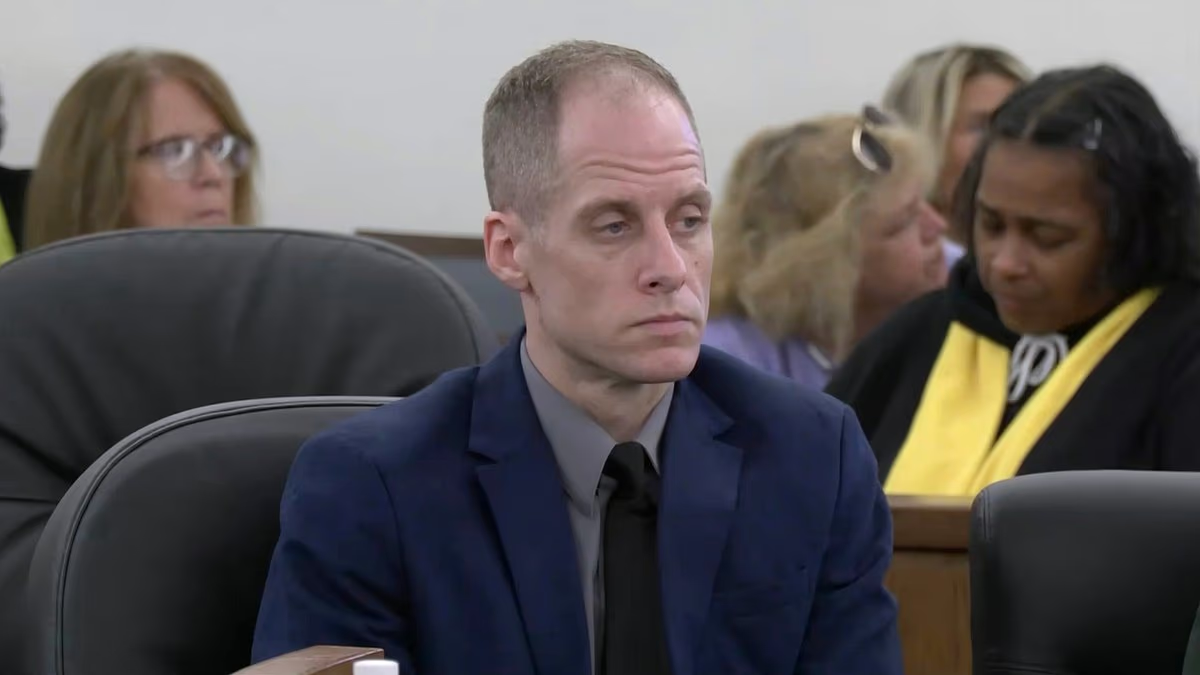
“Individually reasonable requirements add up to unreasonable outcomes,” wrote John Schochet, a member of the Manhattan community board.
The budget, supplied by Councilwoman Gale Brewer’s office, was initially supposed to fund five new bottle re-filling stations, but it was later changed to the two fountains, he wrote.
“Replacing two drinking fountains in Riverside Park costs $375,000 and takes three years from funding to completion, with the system working as designed,” Schochet argued.

“This is an institutional culture problem, not something a statutory fix or department reorg can easily solve. The parks department should be able to deliver the five hydration stations the community voted for, on budget and in less than three years.”
The Parks Department did not immediately respond to a request for comment Friday.