
Donald Trump’s ambitious plan to establish a $1.8 billion fund intended to support MAGA allies facing prosecution has been scrapped following intense opposition from Republican ranks, compelling an embarrassing reversal by the White House.
However, while the political setback is significant, a more personal advantage for Trump and his family has quietly endured.
On Tuesday, Acting Attorney General Todd Blanche announced that the IRS settlement provision protecting Trump, along with his sons Don Jr. and Eric and their businesses, from tax audits remains intact.
“That aspect remains unchanged,” stated Blanche.
Blanche, who previously served as Trump’s personal attorney, faced tough questions from lawmakers on the House Appropriations subcommittee concerning the $1.776 billion fund aimed at aiding the President’s political supporters targeted by the Biden administration’s Department of Justice.
“We will not proceed with the anti-weaponization fund,” Blanche clarified, following an unexpected court decision on Friday that reopened Trump’s lawsuit against the IRS, casting doubt on the settlement, including the controversial fund.
But while Republicans can rest assured the fund, which could have handed January 6 rioters payouts, is finished, they still face the toxic reality of an extraordinary tax break for Trump and his sons.
The benefit may prove enormous. Trump still faced an unresolved audit into claimed losses on his Chicago tower that could have resulted in a $100 million penalty, according to the New York Times.
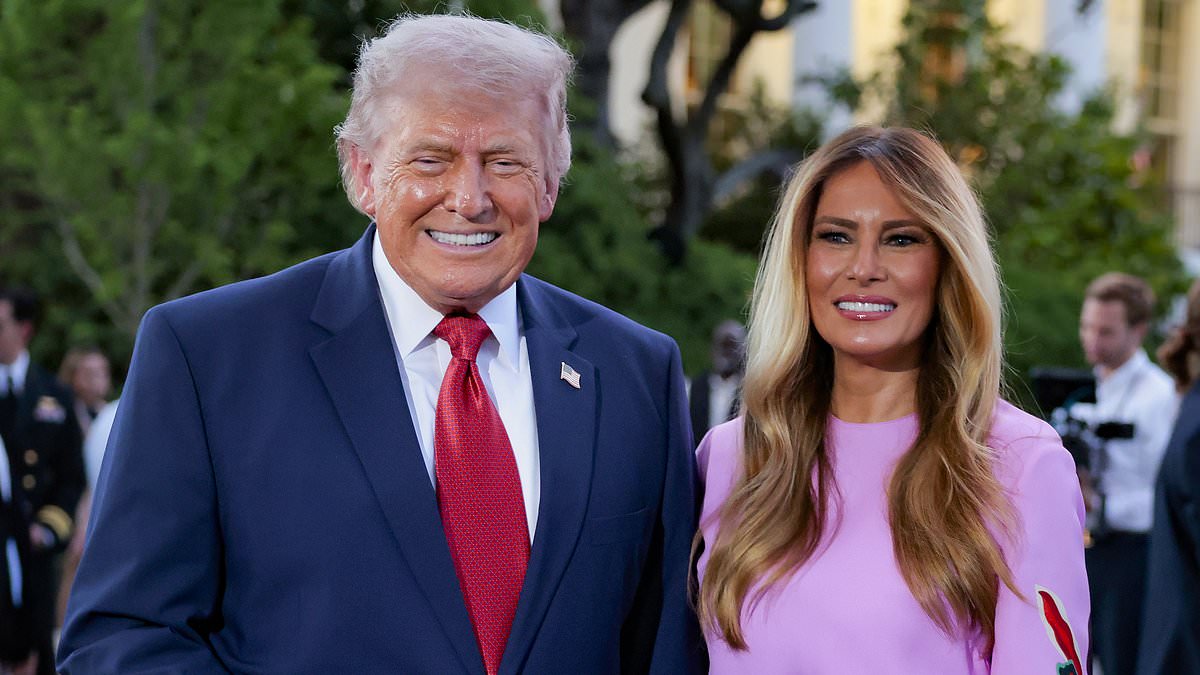
Donald and Melania Trump pose for a photo in front of the White House press photographers during the congressional picnic on the South Lawn of the White House on May 19

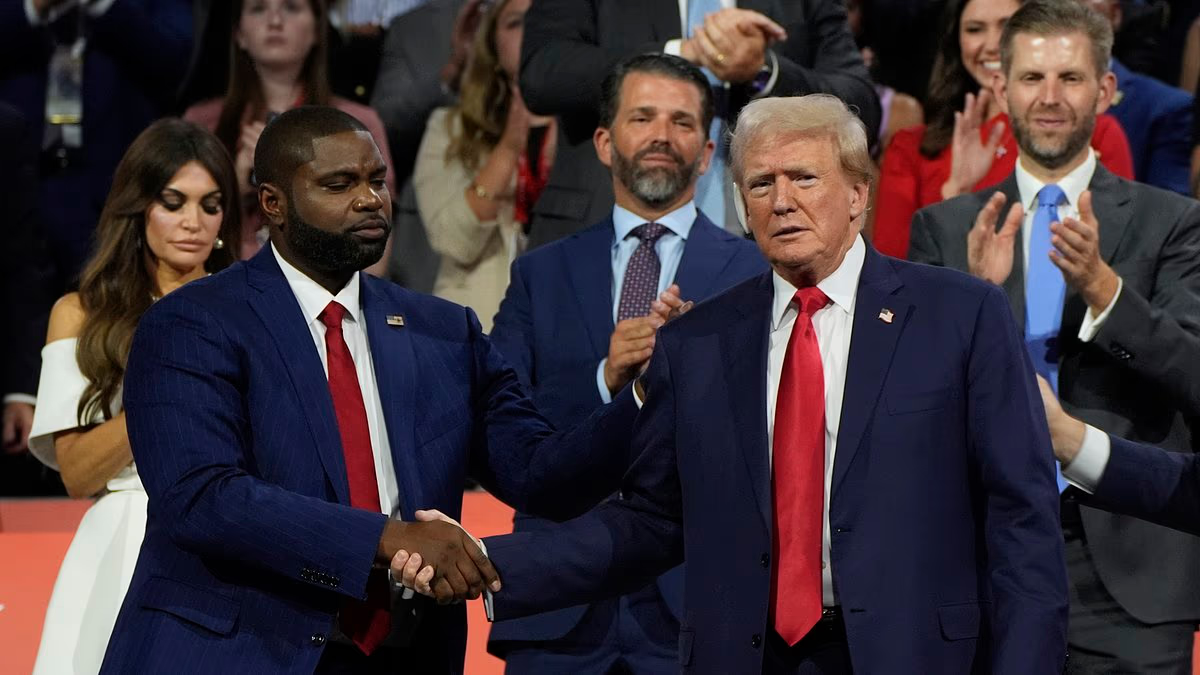
Don Jr, Ivanka and Eric Trump sat the inaugural ball on January 20, 2025
Trump sued the IRS in January over the leak of his tax records to newspapers in 2020. The settlement struck with his own administration created the ‘anti-lawfare’ fund and handed him protection from audits on any tax filings made before the order.
The order signed by Blanche on May 19 is unprecedented in its scope and form, lawyers say, while others have questioned whether as acting AG, Blanche even has the authority to impose such a constraint on the IRS.
When the tax proposal was first ventilated at the DOJ last month, lawyers raised concerns over whether the order would be hamstrung by a law which bars the IRS from dropping audits at the direction of the president or his aides, the New York Times reported.
Blanche swatted away lawmakers’ questions by attempting to characterize the IRS audit protection as standard of any litigation against the tax agency.
‘Like anytime the IRS settles with an individual taxpayer or another company, as part of the settlement, it’s standard, it’s typical to get rid of past ongoing audits,’ Blanche said.
‘It’s not a forward-looking document. It’s nothing that gives any sort of immunity in the future to the president or his family or his organizations.’
The audit shield hands Democrats fresh ammunition as they prepare to scupper a Republican-backed $70 billion funding bill now moving through the Senate.
Democrats plan to force amendments on both the $1.8 billion fund and audit provision as part of any legislation.
The man caught in the middle is Senate Majority Leader John Thune, who refused to declare victory after the fund was frozen and warned his own party still isn’t satisfied.
Asked whether he feared Trump might veto the bill if it included an amendment banning the fund, Thune told reporters on Monday: ‘Oh yeah, don’t you?’
The nightmare for Republicans is a barrage of Democratic amendments forcing politically toxic votes just months before the midterms, leaving incumbents who are banking on Trump’s endorsement voting for something that may infuriate him.
Even Trump’s reliable allies remain troubled.
Louisiana Senator John Kennedy, a staunch Trump backer, warned Monday: ‘The reconciliation bill looks like a broken arm with the bones sticking out.’