In a recent incident near the crucial Strait of Hormuz, a U.S. Army Apache attack helicopter experienced a crash, with President Donald Trump assuring that both crew members were unharmed. This area is strategically significant and currently under Iranian influence.
The exact reason behind the crash remained a mystery on Tuesday morning as tensions simmered following a significant exchange of fire between Iran and Israel, which has put further strain on the already fragile ceasefire in the ongoing conflict with Iran. Iranian state media has noted the crash but has not provided further details.
Since the onset of U.S. and Israeli strikes against Iran on February 28, the conflict has had global repercussions, significantly impacting the world economy by driving up energy prices and contributing to rising costs of essential goods, including food. Efforts to solidify the ceasefire into a lasting peace agreement have thus far been unsuccessful.
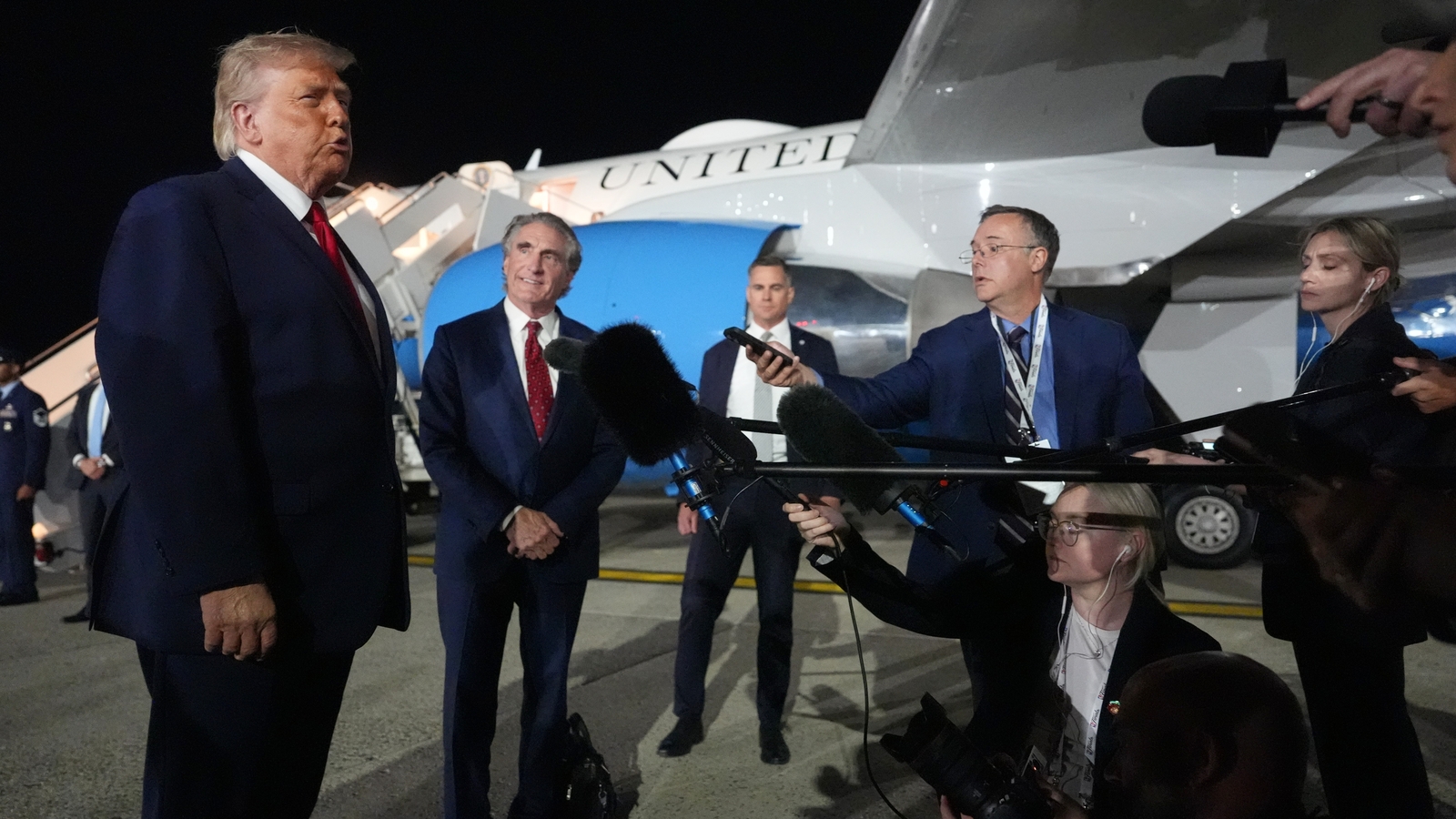
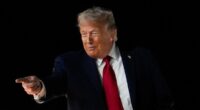
President Trump, addressing the media at John F. Kennedy International Airport in New York, following his attendance at the NBA Finals on Monday night, confirmed the incident.
“The pilots are fine. Yeah,” Trump stated, “Nobody injured. We are going to issue a report tomorrow. But the pilots are fine.”
The initial report of the Apache helicopter’s crash near the strait was covered by The New York Times, although specifics remain scarce. Requests for comments from the U.S. military’s Central Command and the Defense Department, sent by The Associated Press, have yet to be answered.
Apache helicopters have been a key asset for the American military as it enforces a blockade on Iranian crude oil shipments and tankers, seeking to pressure Tehran into reaching a deal. The helicopters have also been used by the United Arab Emirates to shoot down Iranian drones during the Iran war.
Trump insists an Iran deal is coming
Trump also expressed renewed optimism over negotiations with Iran.
“We have a good chance” of signing a deal in “two or three days,” Trump said. He didn’t provide any details on why there was reason for new optimism.
“We’re very close to having a very, very good, strong, powerful deal,” the president said. “If we go and bomb — which we could do very easily if we want, and we spend another two or three weeks bombing — they’ll have nothing left whatsoever. But you won’t have the Strait open for months.”
He added: “If we do the bombing, you know, a lot of people are going to be killed. Who wants to do that? I don’t.”
Mediators, led predominantly by Pakistan, have been trying for weeks to get a deal across the line. However, both Iran and the U.S. have taken hard-line positions.
The U.S. wants to see Iran give up its stockpile of highly enriched uranium, which is believed still to be entombed in the country after American airstrikes in the 12-day war in 2025. But Iran is refusing that and demanding relief from sanctions. It also wants the release of frozen assets even before a final agreement is in place, something rejected by Trump.
Copyright © 2026 by The Associated Press. All Rights Reserved.