
Officials have announced that forensic testing has successfully identified the remains of a man missing since 1998. These remains were first discovered 26 years ago, nestled inside a sleeping bag in the remote wilderness of Washington state’s Olympic National Park.
Joseph Louis Serrao Jr., originally hailing from Hawaii, had been residing in Washington before his disappearance, as per his family’s account shared with Othram, the forensic lab involved in solving the mystery. The family reported that they lost all contact with him in 1998.
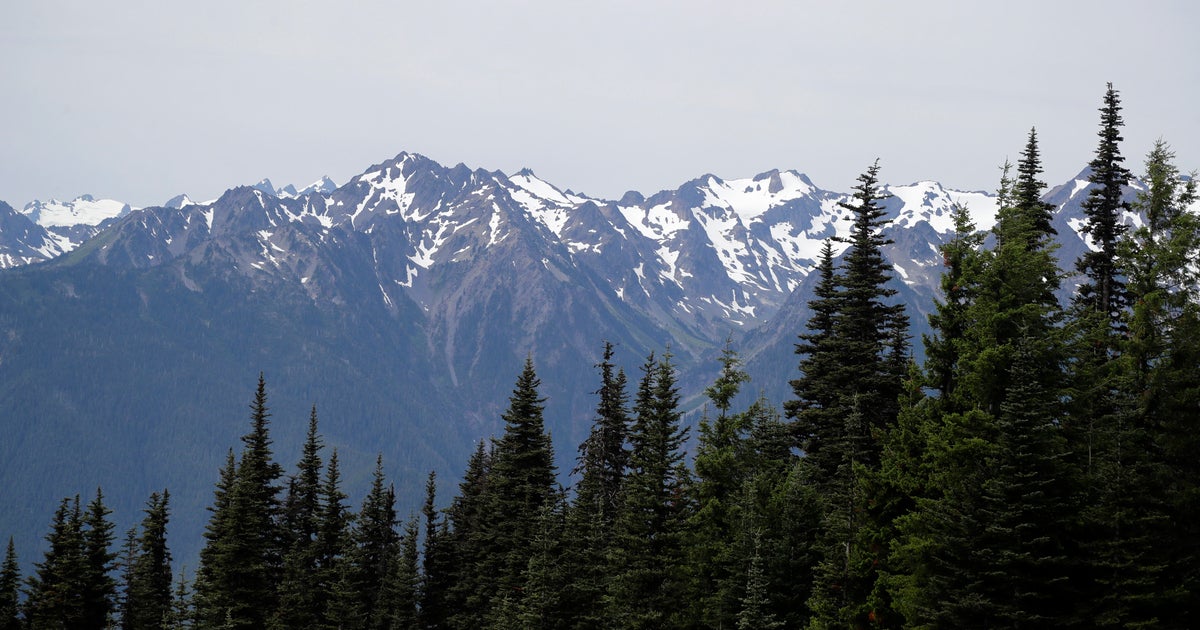
Approximately two years later, in July 2000, a researcher stumbled upon human skeletal remains in a secluded area of Olympic National Park near the Sol Duc River, according to the National Park Service. The remains were found inside a tent along with various items, including binoculars, a daypack, a shoulder bag, a folding saw, a blanket, and winter clothing, as reported by both the park service and the forensic lab.
At that time, a pathologist from Washington’s King County medical examiner’s office concluded that the remains likely belonged to a man aged between 30 and 50, who had been deceased for at least six months to two years.
Investigations later revealed that Serrao, born in December 1960, would have been in his late 30s when he died. However, the absence of “usable” fingerprints and other definitive clues hindered authorities from identifying him back then.
It wasn’t until recently that his identity came to light. A major development occurred in 2024 when an anthropologist from the medical examiner’s office submitted a DNA sample to Othram, as explained by the park service. Collaborating with King County authorities and the lab, investigators employed forensic genealogy, a method that identifies living relatives through the deceased’s DNA. By 2025, this technique led to the identification of potential family members.
Investigators reached out to relatives in multiple states, including Hawaii, and eventually compared and matched DNA samples from them to the one taken from Serrao’s remains.
“This case remained unresolved for nearly 30 years, but investigators never lost sight of the goal of identifying this individual and finding answers for his family,” Debra Flowers, deputy chief of the park service’s criminal investigative division, said in a statement. “I’m proud of the persistence and collaboration that made this identification possible, and I hope it brings some measure of closure to those who have spent so many years wondering what happened to Joseph.”