The global fight against HIV is facing its most serious setback in years, with UNAids warning that deep funding cuts and worsening human rights conditions could pave the way for a renewed epidemic.
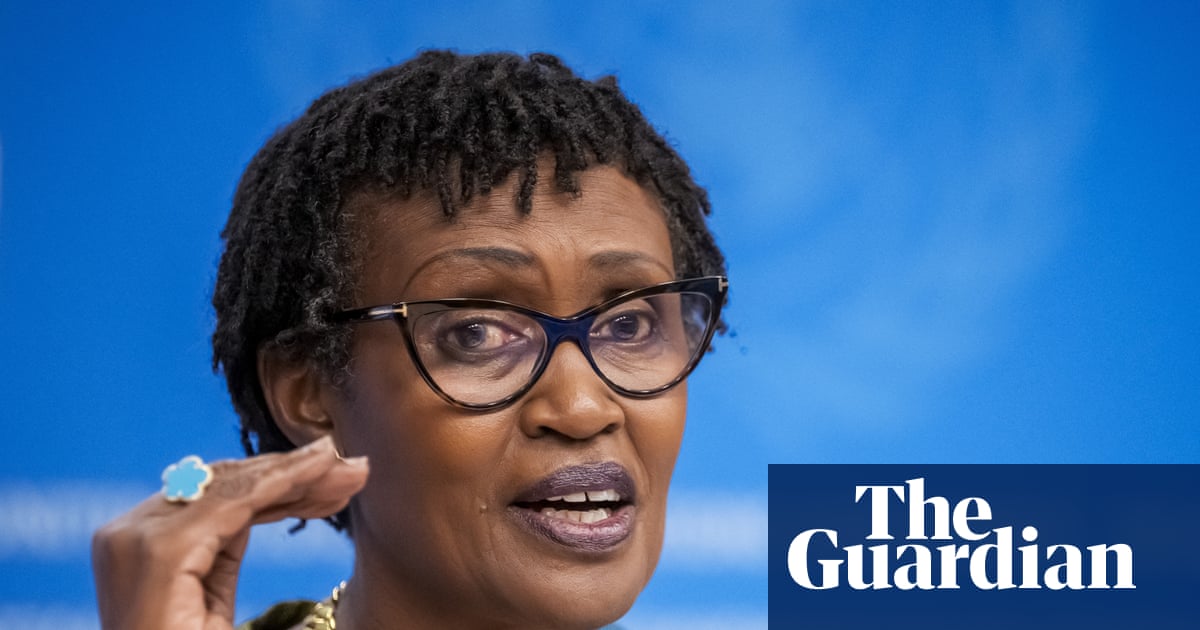
Winnie Byanyima, the executive director of UNAids, described the moment as a turning point for the international response. “It’s the biggest disruption since the global HIV response was put together and it poses a major threat to the progress we have had,” she said.
The warning comes despite the fact that annual totals for new HIV infections and Aids-related deaths have fallen to historic lows. A new UN report says that progress remains fragile, however, and could quickly unravel without stronger political will and fresh action from governments and donors.
According to the report, 570,000 people died from Aids-related causes last year, while 1.2 million new HIV infections were recorded worldwide.
Yet the report also points to mounting signs of strain. Aid spending has fallen by about 23% in an unprecedented decline, and countries with the highest HIV burdens saw a sharp drop in testing during 2025.
In one programme alone, HIV testing fell by 22% compared with the previous year. Byanyima said the consequences of that drop are severe. “That’s huge,” she said. “This means that people don’t know that they are HIV positive, continue transmitting the virus and so the disease will continue to spread and new infections will rise.”
“Maybe even more people will die because they don’t show for treatment early enough or they don’t get on treatment early enough,” she added.
Prevention services, such as those distributing condoms or offering medication to protect against infection, were also hard hit by aid cuts, the report warned.
Those services were already underinvested in, Byanyima said, receiving only 11% of HIV spending in low- and middle-income countries in 2024. “Today we are seeing that money for prevention disappearing completely,” she said.
New domestic funding did not match the scale of what had been lost, she said, and also tended to be spent on treatment rather than prevention. She predicted the coming years would see “rising new infections, and rising numbers of people dying of HIV-related illness”.
The number of countries with new or more restrictive laws against same-sex relations has continued to increase, the report found, which it said “risks undermining decades of progress and pushing the people who need services the most away”.
Byanyima also highlighted the damage likely from “laws to reduce civic space”, offering as an example the “sovereignty bill” in Uganda that restricts external funding for civil society groups and “restricts their ability to operate”.
Community-led organisations that have played a key role in providing HIV services to vulnerable groups “are disappearing”, the report found. One survey of 79 community-led organisations across 47 countries found an 85% reduction in services for men who have sex with men and an 82% reduction in services for sex workers, both groups at the highest risk from HIV.
There were opportunities as well as threats, Byanyima said, including new methods of prevention such as a “miracle” twice-yearly injectable drug, lenacapavir, but they would be needed at far greater scale “to bend the curve”, she added.
UNAids has itself been hit by the Trump administration’s funding cuts, and the UN secretary general has proposed that the agency should be “sunset” by the end of this year.
Byanyima said a working group would present proposals to the UNAids board in October, but said she foresaw “a much smaller joint programme that is more dispersed within the UN but that continues to have a hub – leading for the UN and for the world”.


