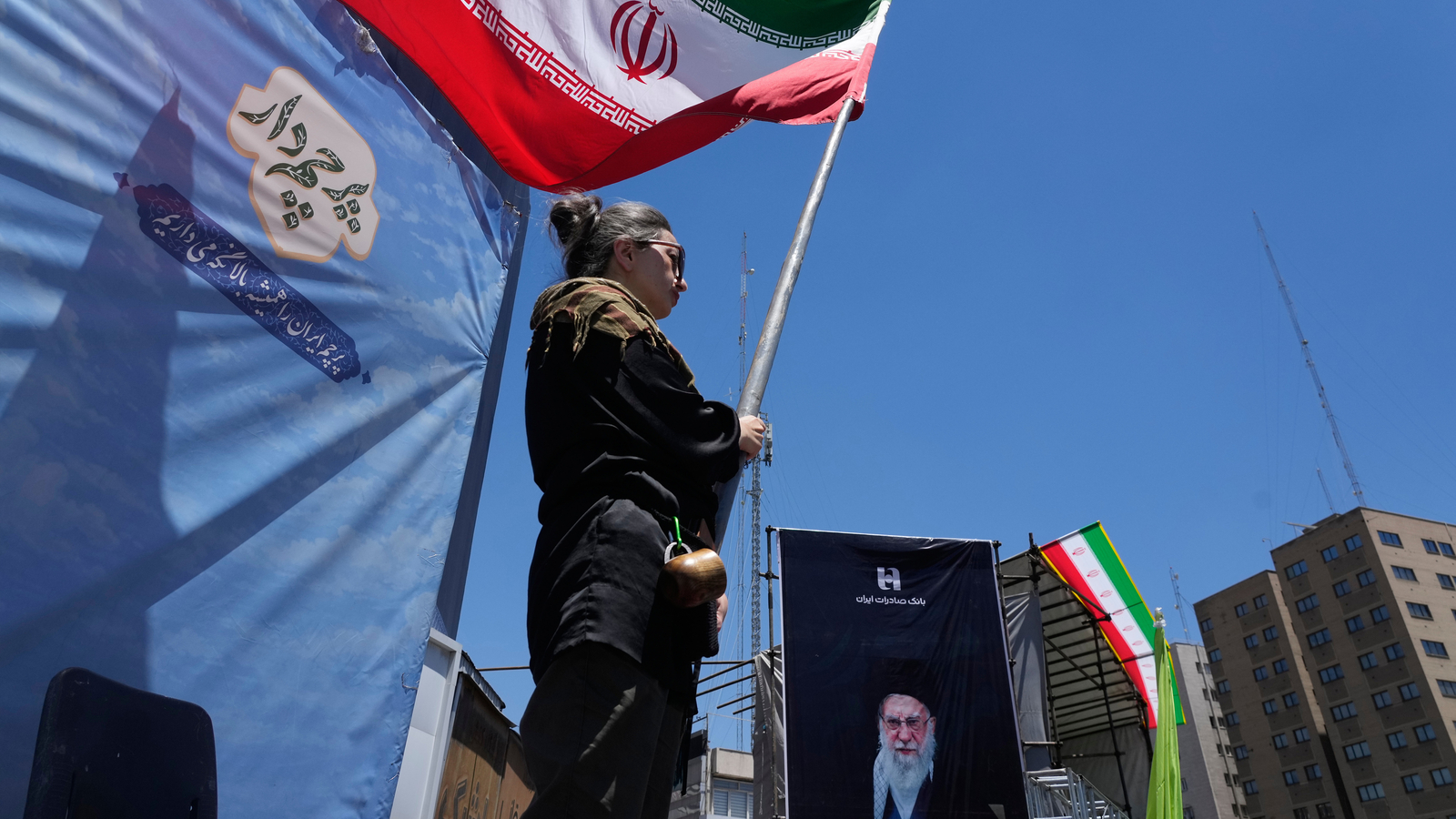

DUBAI, United Arab Emirates — Fresh uncertainty is emerging over the still-unpublished agreement meant to end the war between the United States and Iran, after Iran’s top diplomat said the deal also requires Israel to pull its forces out of Lebanon.
Speaking Tuesday, Iranian Foreign Minister Abbas Araghchi said any lasting end to the conflict must include an Israeli withdrawal from southern Lebanon. His remarks underscored a growing dispute over what exactly is contained in the memorandum of understanding, as Israel has made clear it intends to keep troops in Lebanon for the time being.
“The end of the war in Lebanon is an inseparable part of the complete end of the war,” Araghchi said in comments to foreign diplomats in Tehran that were broadcast on Iranian state television. “Without the withdrawal of Israeli forces from the territories they occupied during this war, the war has not fully come to an end.”
He also warned that any further Israeli strikes on Lebanon would, in Iran’s view, amount to a breach of the agreement. Araghchi said Israel’s continued presence in southern Lebanon would violate the memorandum of understanding reached between Washington and Tehran.
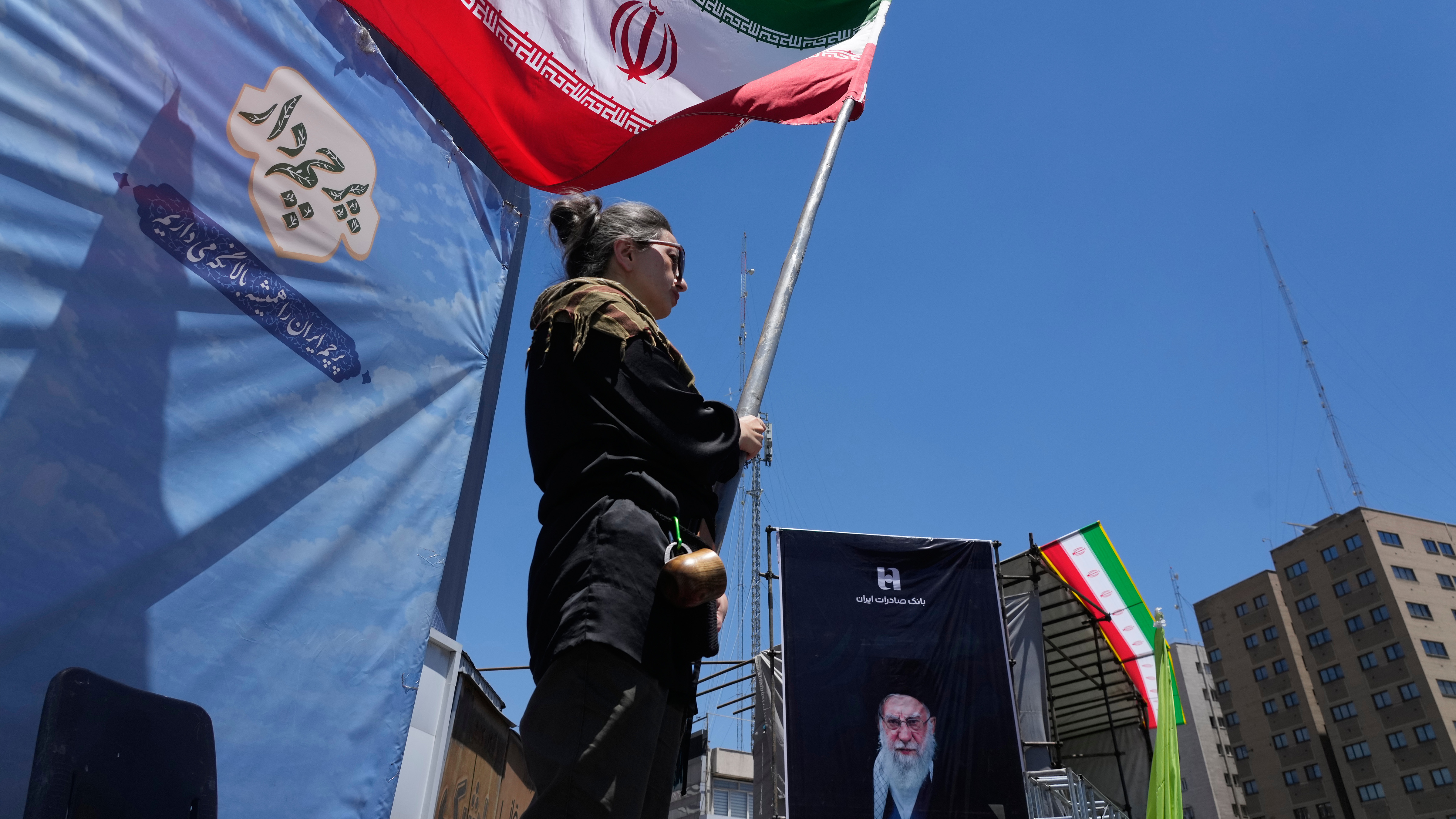
The United States has not publicly said whether Lebanon is covered under the final deal. That leaves a key point of contention unresolved, especially since Araghchi’s account appears to conflict with the position laid out by Israeli officials regarding the agreement that followed the war, which began with joint U.S.-Israeli airstrikes on Feb. 28.
Israel is not a party to the agreement. Prime Minister Benjamin Netanyahu said Monday that the arrangement was President Donald Trump’s decision, while stressing that Israel would pursue its own security priorities. He said Israeli forces would remain in a buffer zone in Lebanon “as long as necessary.”
The ambiguity mirrored developments during past negotiations, including the temporary ceasefire brokered in April. That agreement did not pave the way to broader peace or the reopening of the Strait of Hormuz after the United States and Iran announced differing frameworks.
Unresolved issues cast doubt on agreement’s long-term prospects
The discrepancy underscored how much of the agreement remains apparently unresolved ahead of a planned ceremonial signing Friday in Geneva.
The agreement is meant to provide a meaningful truce in a monthslong war that has killed thousands across the Middle East, including the top leaders of Iran’s theocracy, and raised the prices of fuel, food and other basic goods far beyond the region.
The unpublished agreement provides for the “immediate” opening of the Strait of Hormuz and lifting of the blockade, according to a senior U.S. official who spoke to reporters on condition of anonymity to discuss outlines of the agreement on Monday.
Brokered mainly by Pakistan, it starts with the simultaneous lifting of Iran’s closure of the strait and the U.S. blockade of Iran’s ports, according to Pakistani officials. The United States and Iran will then begin 60 days of negotiations over Iran’s nuclear program and the potential lifting of sanctions, Pakistani officials who helped broker the interim deal said, speaking on condition of anonymity about the unpublished text.
It also includes the possibility of releasing Iran’s frozen funds, sanctions relief and a $300 billion fund to help rebuild Iran if Tehran meets certain benchmarks, senior U.S. officials told reporters Monday.
Araghchi’s comments Tuesday appear to match the understanding of two regional officials with direct knowledge of the interim deal. The officials, speaking to The Associated Press on condition of anonymity to discuss the closed-door negotiations, said it would require Israel to leave nearly all the territory it occupies in Lebanon, minus a few hilltop points along the border seized earlier.
The officials say Iran insisted the accord include Lebanon in the last days of the negotiations. Regarding the timeline, the officials said the release of frozen Iranian assets are tied to Tehran implementing the deal. Gulf Arab states also have pledged to inject billions of dollars in Iran’s economy, they added.
Beyond Lebanon, there’s one more point of possible contention on Iran’s nuclear program. The interim deal begins a 60-day clock for talks over Tehran’s stockpile of highly enriched uranium.
Iran has agreed to discuss ways to possibly “dilute or remove” its stockpile, the officials said. However, it remains unclear whether Tehran would agree to that, particularly with hard-liners opposing to giving it up.
U.S. officials have not yet explained how they see the agreement addressing Iran’s nuclear program, including who will be in charge of verifying that Iran is in compliance and who will destroy or remove highly enriched uranium believed to be buried under nuclear sites that were badly damaged by U.S. strikes last summer.
Despite anger, US allies push to make deal work at G7 summit
Meanwhile, world leaders gathered in France for the first full day of the Group of Seven summit of major industrialized nations, where Iran was high on the agenda. Scheduled discussions include a work session focused on “ending crises and ensuring stability in the Middle East.” Leaders of Egypt, Qatar and the United Arab Emirates are to join the talks.
Trump has clashed with European leaders over not consulting them before going to war in Iran. Even so, leaders are expected to strike a measured tone as they seek ways to ease the economic fallout from rising oil prices caused by the blockade of the Strait of Hormuz.
Ahead of their meeting, the leaders of France, Germany, Italy and the United Kingdom issued a joint statement congratulating the United States, the Iranian government and the mediators on what they called a “diplomatic breakthrough.” Canada also signed the statement. The leaders said it was vital for detailed negotiations to take place and for the deal to be quickly implemented so the Strait of Hormuz can be reopened to tanker traffic.
Copyright © 2026 by The Associated Press. All Rights Reserved.