US officials believed Israel was considering an operation to assassinate Iran’s chief negotiators while peace talks were underway, prompting Washington to use third-party countries to alert Tehran to the danger, officials said.
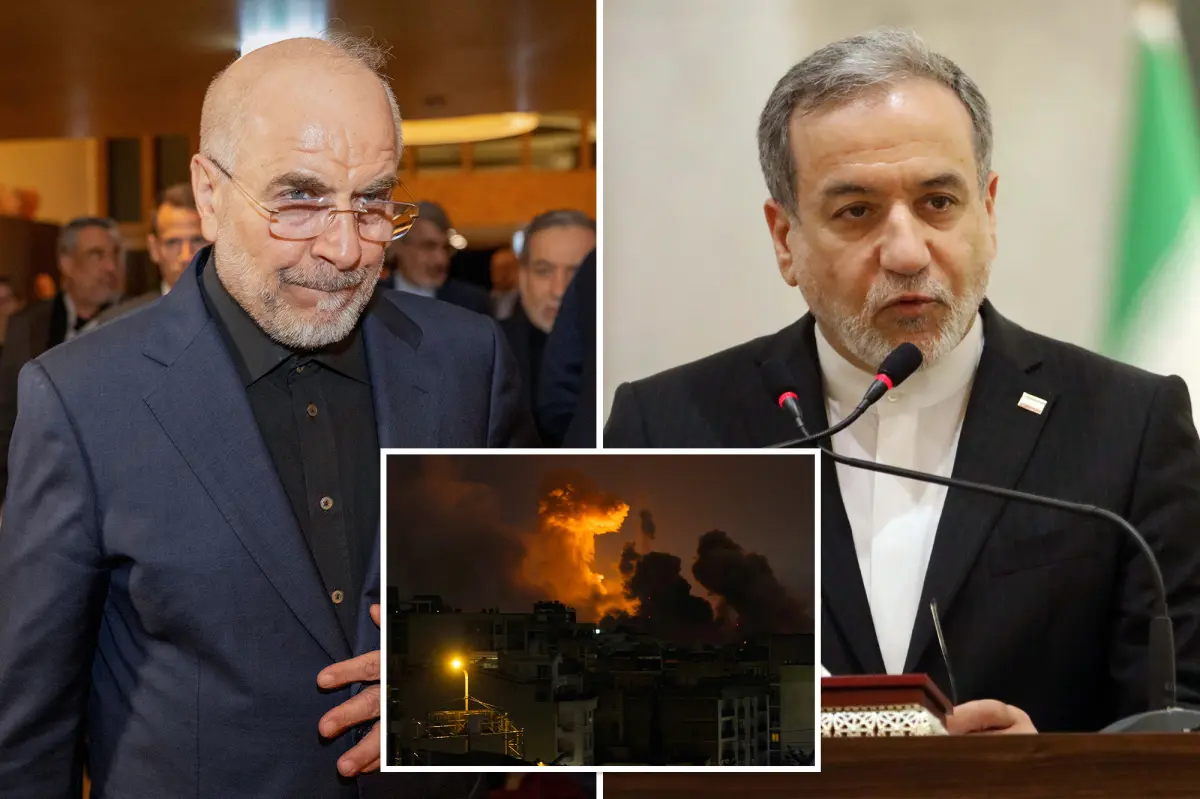
Concerns that Israel might upend the fragile negotiations intensified in April, when US officials assessed that Israeli leaders were focused on Iranian Foreign Minister Abbas Araghchi and Parliament Speaker Mohammad Bagher Ghalibaf, according to The New York Times.
Both men later backed the current agreement with the United States. Their deaths, officials believed, could have stretched out the conflict, as earlier Israeli assassinations had done.
Araghchi and Ghalibaf had reportedly appeared in March on a so-called “kill list” of senior Iranian regime figures Israel wanted to eliminate.
But as diplomatic efforts began to take shape, the two officials were removed from that list after US intervention, Reuters reported.
US-Iran negotiations had already been disrupted once by an Israeli strike that killed Ali Larijani, Iran’s top national security official, who had been leading the talks in March.
Even after Israel was told to spare Araghchi and Ghalibaf, US officials remained worried that an assassination attempt could still happen, leading Washington to ask Middle Eastern countries to caution Iran about a possible attack, sources told the Times.
Those concerns grew sharper during Ghalibaf’s April visit to Pakistan, where he was scheduled to meet with Vice President JD Vance.
While Iran sought guarantees from the US that their delegation would be safe during the trip, an Israeli security threat emerged on Ghalibaf’s flight back from Islamabad, the Times reported.
During the flight, Iran’s security forces notified the plane about an alleged Israeli plan to attack the aircraft, with two Israeli fighter jets detected entering the Islamic republic’s airspace, two officials told the outlet.
The account echoes the claims from Mahdi Mohammadi, a senior adviser to Ghalibaf, who said the plane was forced to make an emergency landing in Mashhad, Iran’s closest airport to Pakistan.
The delegation was forced to take an eight hour trip by land to Tehran due to the security concerns, Mohammadi said.
Ghalibaf would go on to travel with Araghchi to Qatar and then to Switzerland last month for another in-person meeting with Vance and American negotiators.