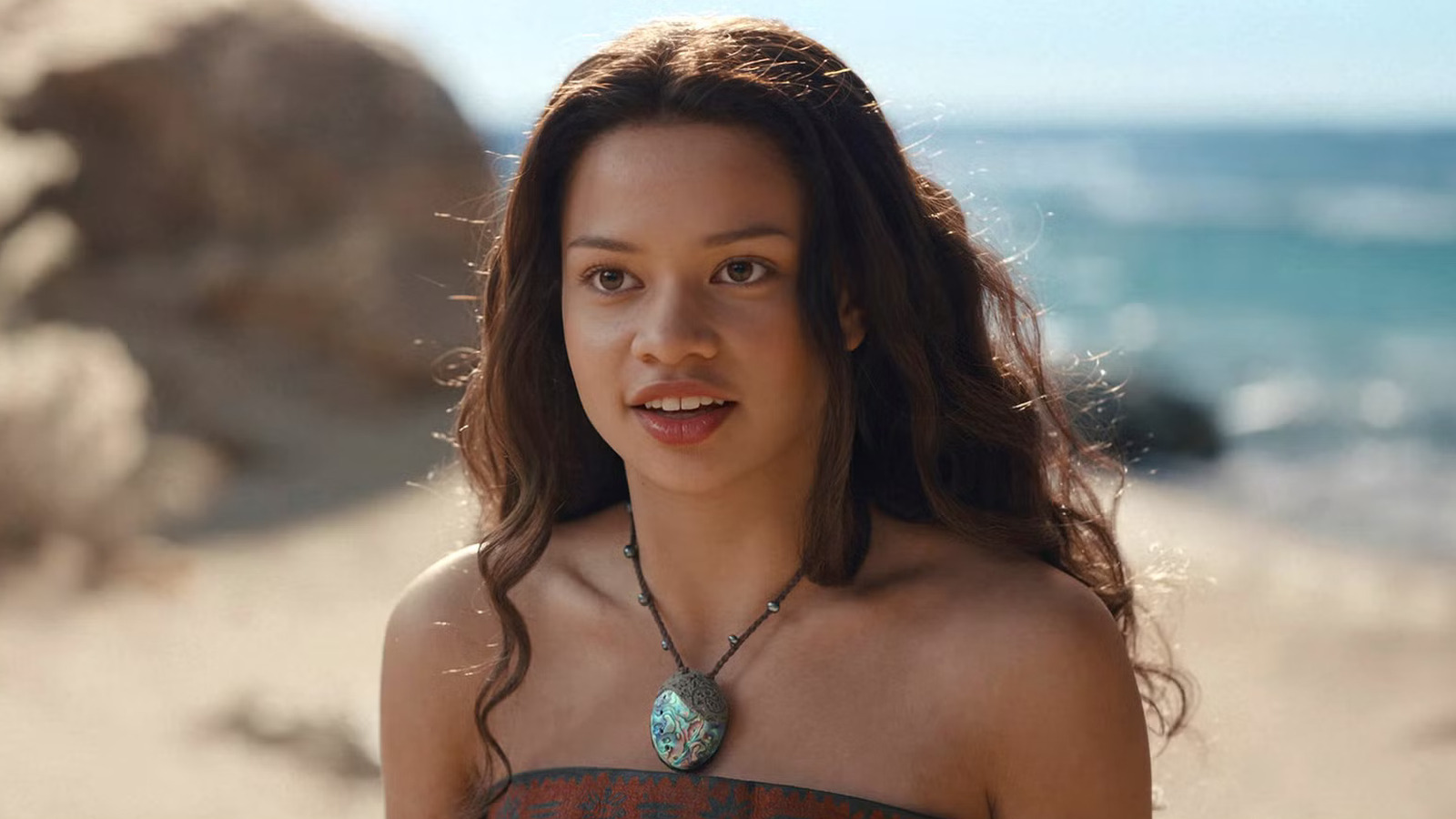
Disney’s newest live-action remake has arrived with “Moana,” revisiting an animated favorite that only premiered a decade ago. As many viewers might have expected, it struggles to capture the magic, energy, and emotional sweep of the 2016 original — and in that sense, it fits neatly into a much larger pattern. The uncomfortable truth is that Disney’s live-action remakes have developed a reputation for being disappointingly weak. The bigger question is: why do they so often fall flat?
There isn’t just one answer. Looper’s original video breaks down the issue in detail, and there are plenty of reasons to explore. The most obvious place to begin is with the sense that many of these live-action Disney remakes exist primarily as commercial exercises. The beloved animated versions are already available — often just a few clicks away on Disney+ — yet the studio continues returning to familiar titles in hopes of extending their earning power. The modern remake wave gained serious momentum with Tim Burton’s 2010 live-action “Alice in Wonderland,” a massive box office success that nevertheless left plenty of fans less than enchanted by the trip back through the looking glass.
Once the financial upside became clear, Disney leaned hard into the strategy. “Maleficent,” starring Angelina Jolie as the iconic “Sleeping Beauty” villain, arrived in 2014. Kenneth Branagh’s polished “Cinderella” followed in 2015, and Jon Favreau’s reworked “The Jungle Book” hit theaters in 2016. That chain reaction eventually led to the 2026 live-action “Moana,” a film that strains to recreate many of the same emotional and musical moments from the original — a movie that, once again, was only released in 2016.
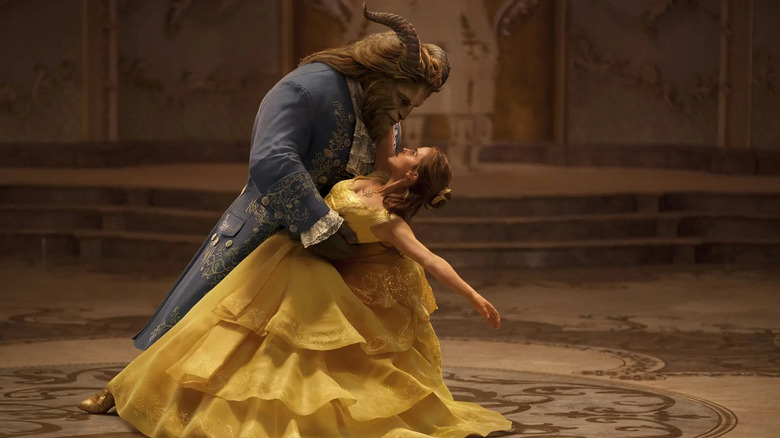
Another major complaint became impossible to ignore around the time of 2017’s “Beauty and the Beast”: too many of these Disney live-action adaptations feel like near shot-for-shot recreations. When films such as “Beauty and the Beast” and “Moana” stick so closely to their animated predecessors, it raises an obvious question about their creative purpose. The simplest answer, of course, is also the least flattering: money.
Disney’s live action remakes just feel like soulless cash grabs, including 2026’s Moana
Walt Disney Studios Motion Pictures
The 2017 “Beauty and the Beast,” starring Dan Stevens as the Beast and Emma Watson as Belle, was far from the only remake accused of playing it safe. “The Lion King” and “Aladdin,” both released in 2019, leaned heavily on celebrity casting and brand recognition. Donald Glover and Beyoncé voicing Simba and Nala certainly made headlines, but star power alone does not automatically make a remake feel necessary. Even Beyoncé as a lion is not enough to transform a familiar story into something genuinely fresh.
Then there is Disney’s tendency to over-explain its villains, a habit that can unintentionally weaken the original stories. “Cruella,” released in 2021, turned the future dog-skinning antagonist of “101 Dalmatians” into a stylish anti-hero, despite giving two-time Oscar winner Emma Stone the lead role. The result makes the original premise feel strangely awkward in hindsight. A similar issue appears with Gaston, played by Luke Evans in the live-action “Beauty and the Beast,” where added backstory attempts to deepen a character who arguably works better as a broad, funny, self-absorbed villain without much psychological unpacking.
And those are only some of the problems. The visual effects in many Disney live-action remakes can be distracting, whether because the animals slip into uncanny valley territory or because the digital imagery has the muddy, overprocessed look common in some modern blockbusters. The live-action “Mulan” felt less like a spirited reimagining and more like a grim reboot, especially after removing fan-favorite elements such as Mushu the dragon. As for “Aladdin,” Will Smith faced the nearly impossible task of following Robin Williams’ legendary Genie performance — and, honestly, no one was likely to top it. Disney’s live-action remake problem runs deep, and the video above digs into even more of the reasons these films so often miss the mark.