
Universal Pictures
Warning: This article includes spoilers for “The Odyssey.”
Christopher Nolan’s movies often seem to carry the echo of the one that came before them. “Memento” and “Insomnia” both revolve around fractured perception, self-deception, and men trapped inside the unreliable machinery of their own minds. “Batman Begins” and “The Prestige” are fascinated by double lives, constructed identities, and the cost of becoming someone else. In that same tradition, “The Odyssey” feels closely linked to “Oppenheimer”: both are sweeping stories about brilliant, haunted men whose single invention changes the world and leaves them crushed beneath the weight of consequence.
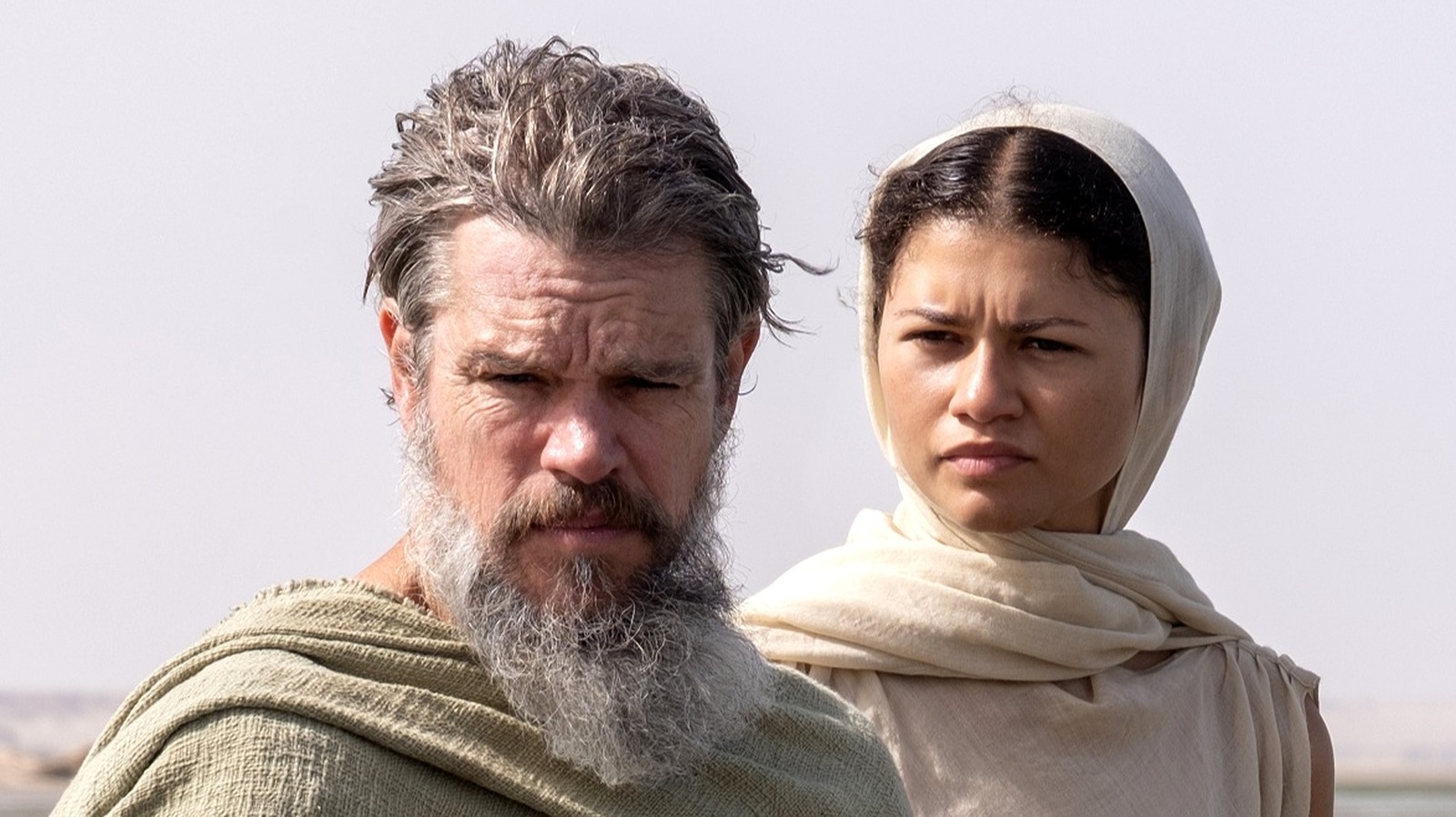
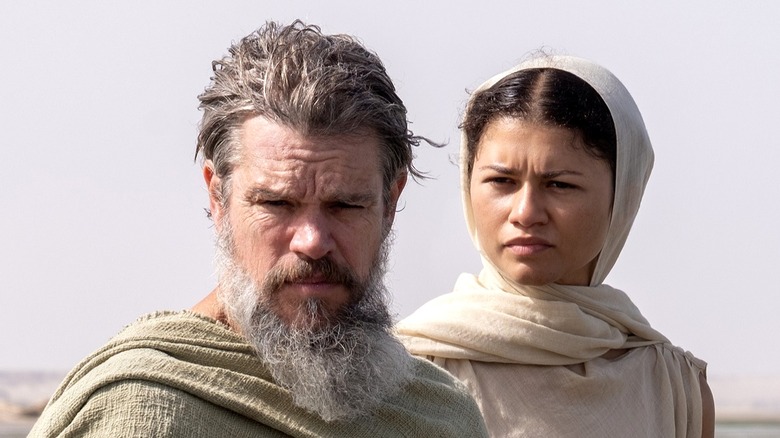
By the time “The Odyssey” reaches its conclusion, the connection between Matt Damon’s Odysseus and Cillian Murphy’s J. Robert Oppenheimer is difficult to miss. Odysseus’ creation of the Trojan Horse does more than win a war; it violates Zeus’ Law and tears through the moral order that holds his civilization together. In his eyes, Troy becomes a dividing line between one world and the next. He even shoulders blame for the rise of the mysterious “people of the sea,” raiders from unknown shores who begin devastating Greece. To Odysseus, the fall of Troy has shattered something sacred and cosmic, leaving humanity to live with the fallout. Nolan’s Oppenheimer faces a strikingly similar moral crisis, as both men build tools intended to end long, brutal wars — only to realize their inventions have unleashed something far larger than victory.
Yet Oppenheimer is not the only Christopher Nolan character reflected in Odysseus. He also bears a strong resemblance to Dom Cobb, Leonardo DiCaprio’s exiled dream thief in “Inception.” Like Cobb, Odysseus is separated from the people he loves and stranded far from home. And like Cobb, his return depends on confronting the deepest wound in his past and accepting responsibility for the damage he caused.
The Odyssey has a lot of Inception DNA
Universal Pictures
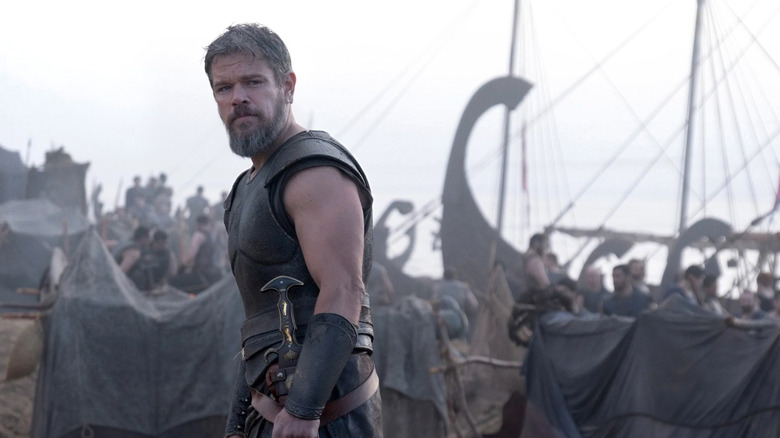
When “The Odyssey” first introduces Odysseus, he is trapped on the island shore of Calypso, played by Charlize Theron, his memories dulled by the repeated use of the mystical lotus flower. The grief, violence, and guilt of the last 20 years have been pushed out of reach. For longtime Nolan fans, the image immediately recalls “Inception,” which opens by showing Cobb in a similar state: washed up on the beach of limbo, buried in the deepest layer of the dream world, with his own memories fading. Both men begin as castaways in a psychological wilderness. Both must claw their way back to clarity before they can begin the journey home.
That journey requires each man to face what he has done. Cobb’s defining sin is intimate and devastating: the death of his wife, Mal. In a desperate attempt to convince her to leave the dream world, he plants the idea that her reality is false. Once awake, that belief persists, driving her to suicide as she tries to “wake up” again. Odysseus’ betrayal operates on a much broader scale. By defeating Troy in defiance of Zeus’ Law, he believes he has abandoned, as he puts it, “all that’s ever sacred between people.” Cobb destroys a life and a family; Odysseus fears he has corrupted the world itself.
Memory has been one of Nolan’s most persistent obsessions since “Memento.” Even there, the central character chooses the comfort of a lie over the pain of acknowledging his own guilt, establishing a theme the director has returned to again and again: people are often most dangerous when they rewrite the truth in order to survive it.
Odysseus is the ultimate Christopher Nolan protagonist
Universal Pictures
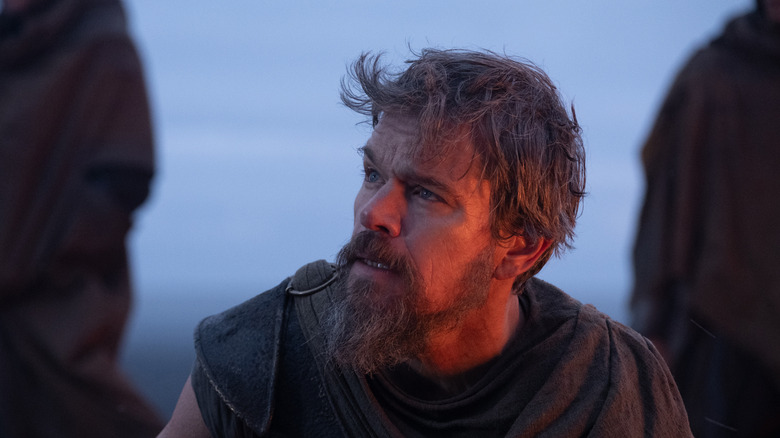
“The Odyssey” has exceeded already lofty critical expectations, and it is easy to see why. The film brings together many of Christopher Nolan’s signature interests: mythic scale, moral tragedy, psychological darkness, the instability of memory, the grip of fear, and the aching pull of home. That makes Odysseus feel like the ultimate Nolan protagonist — a figure who contains shades of Dom Cobb, J. Robert Oppenheimer, and many of the director’s most tormented leading men.
Like Joseph Cooper (Matthew McConaughey) in “Interstellar,” he’s blown off-course and forced to miss his children growing up in his absence. He is also haunted by the lives he couldn’t save as with Nolan’s Bruce Wayne, and similar to Will Dormer (Al Pacino) in “Insomnia,” he struggles to contend with the dark things he has done. That denial only sends him further astray.
But ultimately, it’s Oppenheimer and Cobb whom Nolan blends into this weary, scarred portrait of Odysseus — a man who journeys to the pit of his own soul to get home to his family, only to arrive back in a world made forever more dangerous by his decisions.