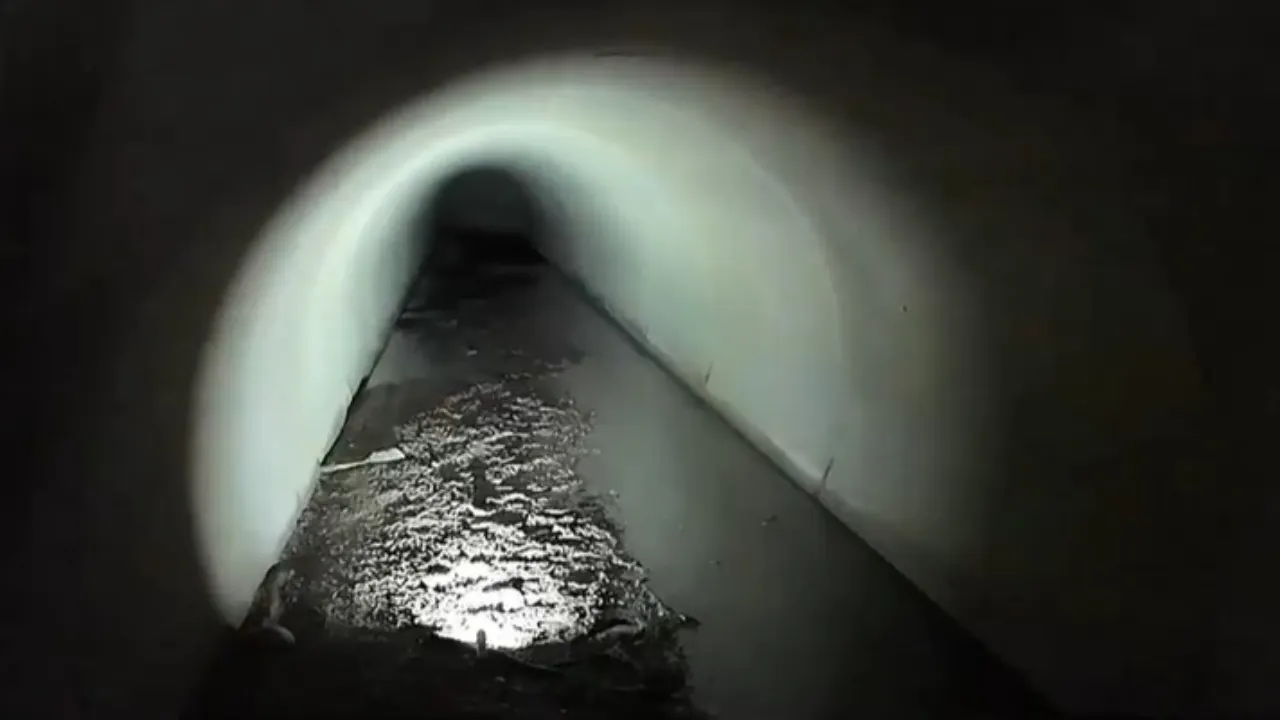

Fox News uncovers El Paso drain system used to smuggle migrants
Brooke Taylor takes viewers beneath El Paso, Texas, into the city’s underground storm drain network — a concealed system authorities say cartels are using to move migrants illegally from Mexico into the United States. The route is dangerous, claustrophobic and punishing, with migrants forced through dark, sweltering tunnels as smugglers reportedly charge premium prices of $20,000 to $30,000 for the risky passage.
Beneath El Paso’s busy streets is what U.S. Border Patrol agents call “a city underneath our city” — an extensive storm drain system originally designed to control flooding but now, officials say, repeatedly targeted by Mexican cartels for human smuggling operations across the border.
Fox News received rare exclusive access to the tunnels with the El Paso Sector’s elite Confined Space Entry Team, or CSET, following agents into the hazardous underground maze. Border Patrol officials say smugglers continue probing the network for weak points, even as illegal crossings and apprehensions remain at historically low levels.
Agents told Fox News the journey through the storm drains typically takes smugglers and migrants 45 minutes to an hour. Inside, the conditions can quickly become life-threatening: the spaces are narrow, intensely hot and dark, and oxygen levels can shift or fall without warning.
The drainage system runs for miles under El Paso. Border Patrol says it has identified 32 known entry points from the Rio Grande into the U.S., along with hundreds of possible exits leading into neighborhoods, parks and commercial areas throughout the city.
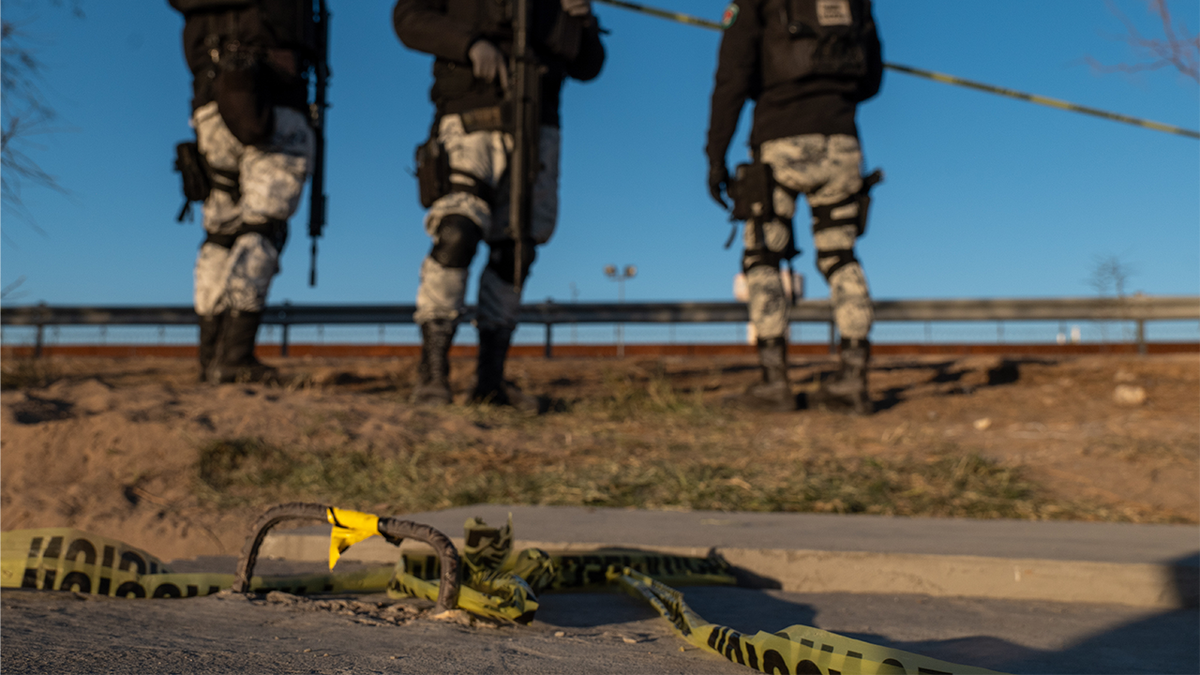
Mexican police work to close and secure a clandestine tunnel discovered along the U.S.-Mexico border in Ciudad Juarez, Mexico, on January 13, 2025. Authorities said the tunnel, used for drug and human trafficking, was secured by the Mexican National Guard and personnel from the Attorney General’s Office, who gathered evidence before sealing it permanently. (David Peinado/Anadolu via Getty Images)
Jason Hartman, who heads the El Paso Sector’s Confined Space Entry Team, said one of the most difficult concerns is where smugglers might surface after traveling through the underground system.
“There are exit points into schools, into elementary schools, where we sleep, where we play,” Hartman told Fox News. “At any point, you can have smugglers or bad guys coming up in your backyard, in your playgrounds, in your kids’ schools.”
Just outside one of the storm drain entrances, evidence of previous crossings remained behind. Fox News observed tools, a wallet and even a Mexican driver’s license left near the entrance, items agents say migrants and smugglers often abandon during the journey.
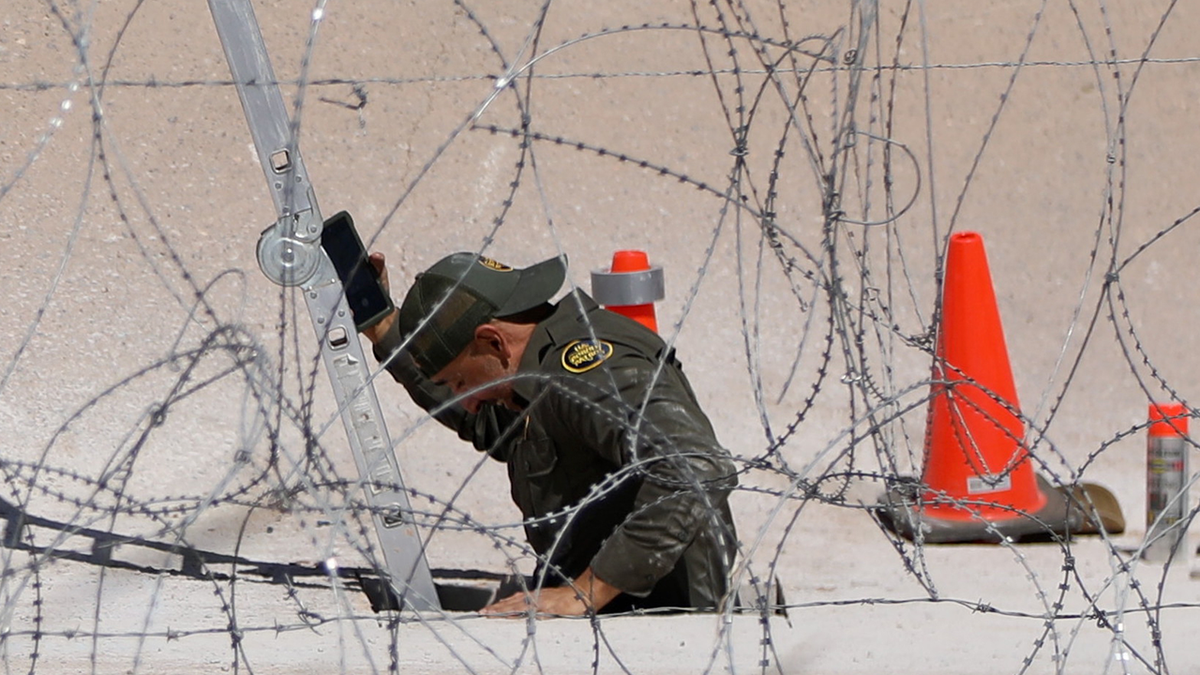
A U.S. Border Patrol agent works at the border to seal an illegal cross-border tunnel which was originally discovered on January 10, 2025, between El Paso and Ciudad Juarez, Mexico on March 11, 2025. (HERIKA MARTINEZ/AFP via Getty Images)
Border Patrol guards entry points near the Rio Grande, and Hartman says agents rely on technology to detect movement inside the underground network.
“We do have technology that lets us know when they’re in there, where they’re going, when they come out,” Hartman said. “Technology grows at a rapid pace.”
Still, some manage to slip through. So far this fiscal year, Border Patrol says agents have apprehended 161 illegal migrants that used El Paso’s storm drain system. At the height of the border crisis, Hartman said agents sometimes encountered groups of up to 70 migrants moving through the underground maze. Today, he said, it’s more common to encounter groups of just two or three.
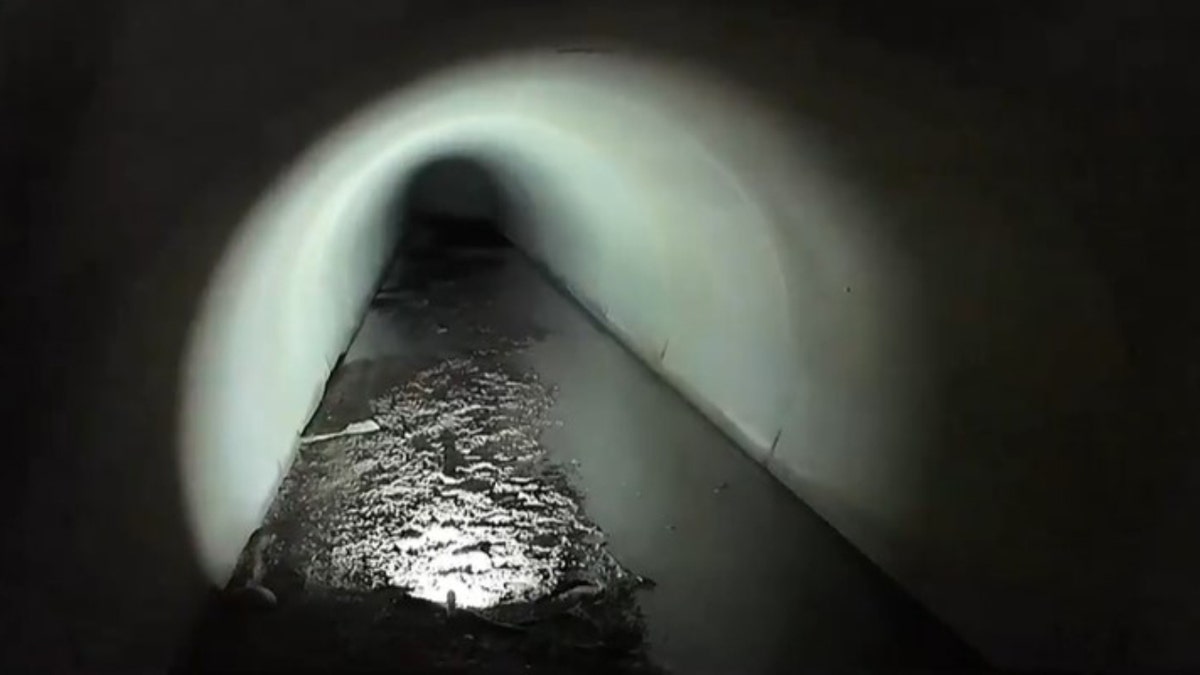
Fox News got an inside look at the underground network of storm drains below El Paso, Texas, that Border Patrol says cartels are exploiting to smuggle illegal migrants. (Fox News)
Agents assigned to the specialized team undergo extensive training in a full-scale replica storm drain, learning how to operate in confined spaces while constantly monitoring oxygen levels that can change without warning.
Hartman said the physical conditions alone can be exhausting before agents ever encounter a smuggler.
“For me, it’s the heat and the time and the air,” Hartman said.
Border Patrol says because it is more difficult and risky to illegally cross the border, smugglers have dramatically increased what they charge migrants, between $20,000 and $30,000 per person, to guide them through the storm drains.
“Cartels are desperate to try to get people in,” said Hamid Nikseresht, a U.S. Border Patrol Special Operations supervisor. “They’re desperate to try to fund the networks globally that they fund because this isn’t just a localized issue. This is a global issue.”