
Sen. Ron Johnson: Election integrity should be a nonpartisan issue
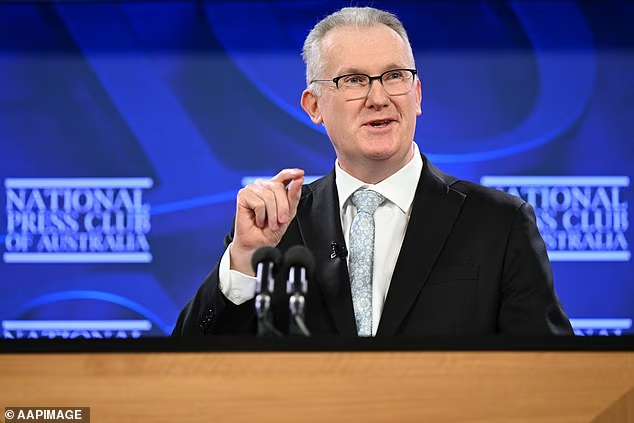
Sen. Ron Johnson weighed in after New Jersey Gov. Mikie Sherrill acknowledged that 6,600 non-citizens had been mistakenly added to the voter rolls because of a software problem, with about 400 of them casting ballots. The Wisconsin Republican argued that safeguarding election integrity — from requiring voter ID to updating and cleaning registration lists — should not be treated as a partisan fight, but as a basic step toward rebuilding Americans’ trust in U.S. elections.
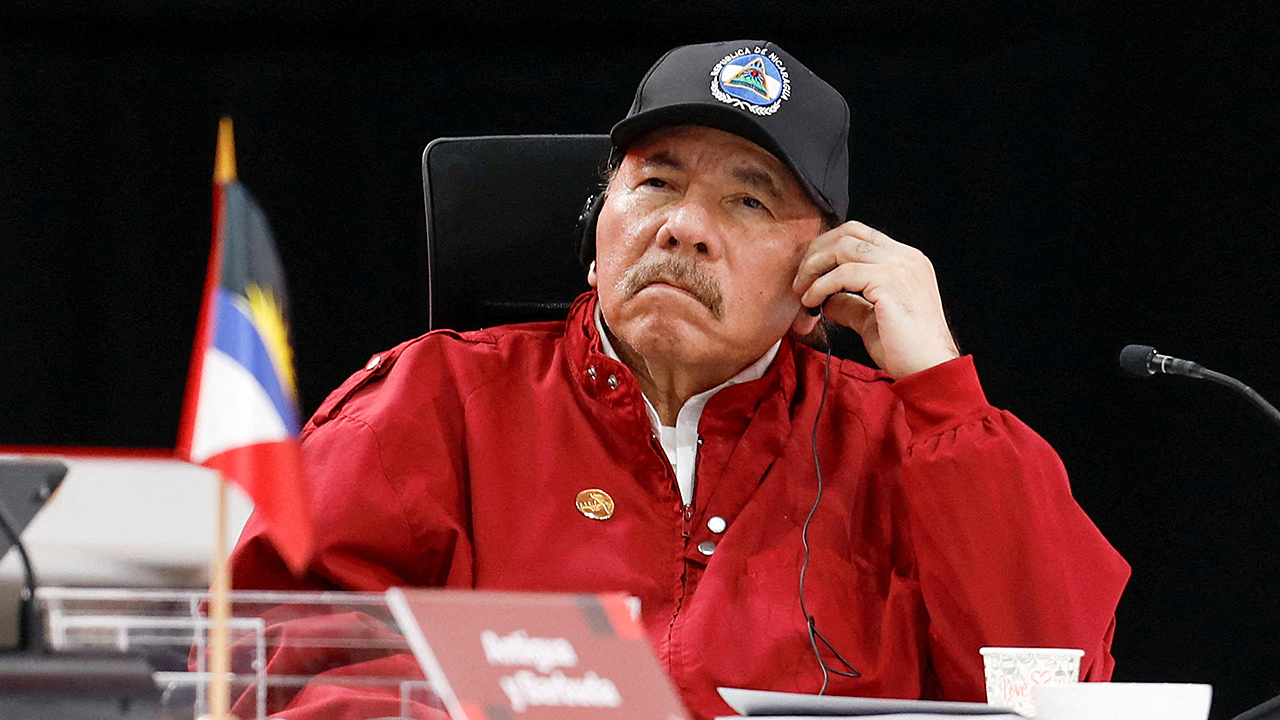
In Nicaragua, lawmakers said they are moving ahead with plans to eliminate elections altogether, escalating a political crackdown in the Central American nation after President Daniel Ortega declared over the weekend that the country would no longer hold votes — a statement that drew swift outrage from the international community.
Nicaragua’s congress, which is tightly controlled by Ortega and his wife, Rosario Murillo, disclosed the proposal on Tuesday. Legislators framed the sweeping constitutional changes as a way to protect the country’s “peace, security and stability.”
The announcement effectively puts Ortega’s no-more-elections pledge into motion, further narrowing any remaining opening for opposition groups to challenge his grip on power. Ortega governs alongside Murillo, who was elevated from vice president to “co-president” under earlier constitutional reforms.
“There won’t be any more elections here for them to try to seize the government and seize power,” Ortega said Sunday during remarks marking the 1979 Sandinista revolution, the uprising in which he helped topple the U.S.-backed dictatorship of Anastasio Somoza.
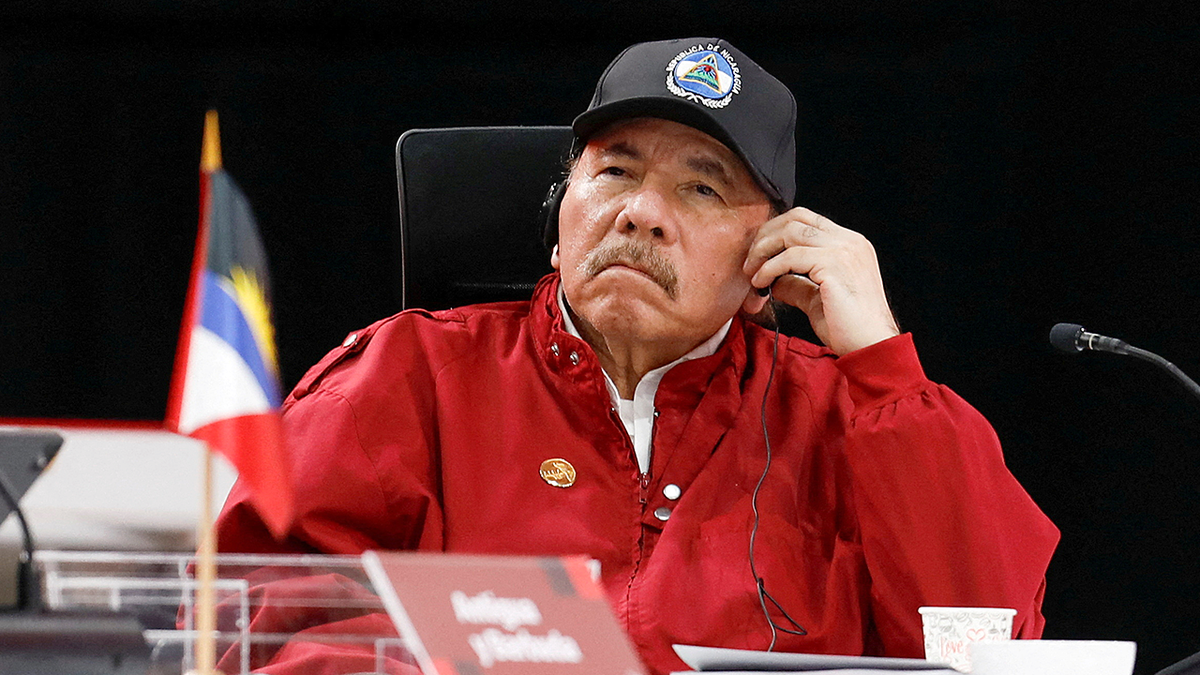
Nicaraguan President Daniel Ortega said the Central American country will stop holding elections. (REUTERS/Leonardo Fernandez Viloria)
“The days when parties backed by the Yankees (United States) and the Somocistas would return to power are over — never again,” Ortega declared.
The move appeared to shut down the prospect of any future electoral challenge as Ortega and Murillo continue tightening their control over Nicaragua’s political system and key state institutions.
Ortega and Murillo expanded their authority through sweeping constitutional changes that took effect in 2025. The reforms included extending the presidential term from five years to six and placing the legislative, judicial and electoral institutions under the authority of the presidency.
The pair now exercise control over nearly every branch of government, including the armed forces, police and judiciary.
Ortega, Nicaragua’s longest-serving leader, has remained in power until early 2028, although his statement on Sunday effectively canceled Nicaragua’s next elections, which had been scheduled for November 2027.
Critics say Ortega had already effectively eliminated meaningful electoral competition during elections in 2011, 2016 and 2021.
REPUBLICAN REP MARÍA ELVIRA SALAZAR DECLARES, ‘AFTER CUBA, NICARAGUA IS NEXT’
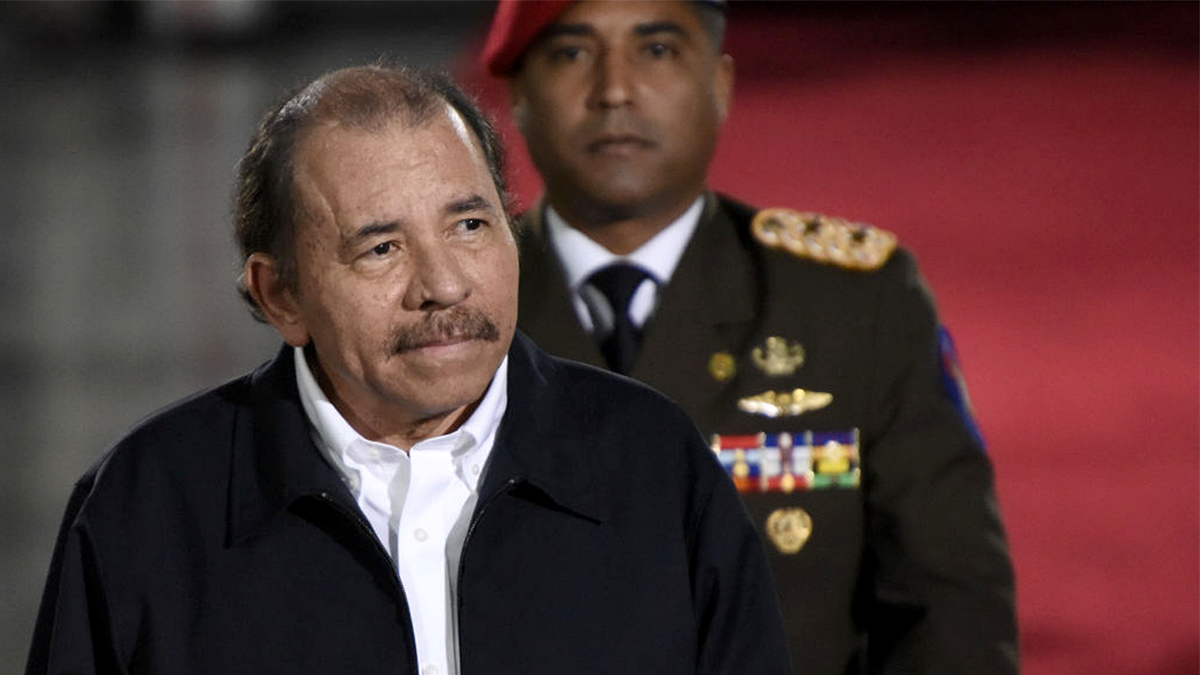
President Daniel Ortega’s promise to abolish elections prompted widespread condemnation from the international community. (Carlos Becerra/Bloomberg)
Many prominent opposition leaders have been imprisoned, forced into exile or stripped of their Nicaraguan citizenship, while opposition parties and independent civic organizations have lost their legal status.
A United Nations group of experts has accused the Ortega-Murillo government of systematically violating human rights as part of a campaign to eliminate criticism and preserve its hold on power. The experts said some alleged violations may amount to crimes against humanity.
The government launched a violent crackdown on anti-government protests in 2018. More than 300 people were killed during the unrest, according to international human rights groups.
Ortega’s effort to abolish elections prompted widespread condemnation from foreign governments, including the U.S.
“Daniel Ortega’s declaration that under his family’s dictatorship, Nicaragua will never again hold elections lays bare their true authoritarian nature. Daniel Ortega and Rosario Murillo have abandoned even the pretense of popular consent,” U.S. Secretary of State Marco Rubio said on Tuesday.
“The Nicaraguan people have the right to choose their own leaders through democratic elections. The United States calls on the international community to join forces to demonstrate to the Murillo-Ortega dictatorship that it cannot expect to maintain business as usual with other nations when it is thwarting the basic tenets of our democratic hemisphere,” he added.
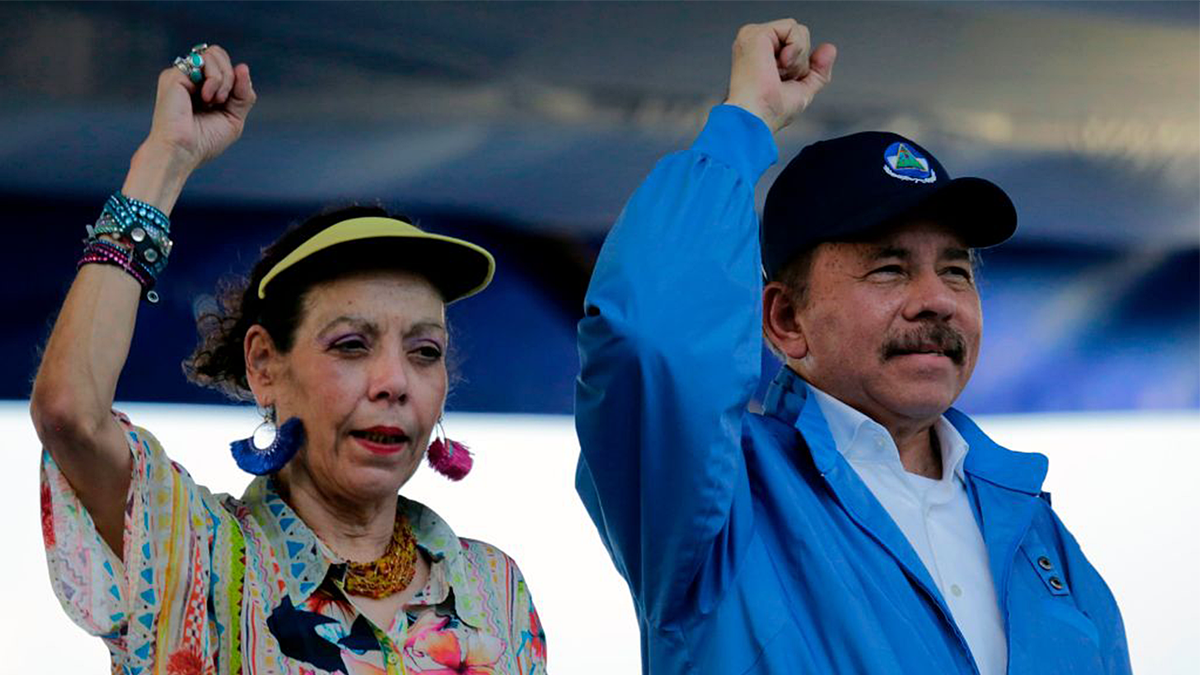
The move to abolish elections was announced by Nicaragua’s congress, which is firmly in the hands of President Daniel Ortega and his wife, Rosario Murillo. (INTI OCON/AFP)
The Trump administration has described the Ortega-Murillo government as a dictatorship and imposed sanctions on members of the government and their allies. The State Department has also enacted visa restrictions targeting more than 2,350 Nicaraguan officials and their family members.
Volker Türk, the United Nations’ high commissioner for human rights, denounced Nicaragua’s legislative ambitions on Wednesday, saying that “people of all political viewpoints must be allowed to vote and run for office.”
“These latest developments further deepen the severe restrictions on fundamental freedoms, the dismantling of civic space, and the steady erosion of the rule of law,” Türk said in a statement.