
Britain’s largest banks are bracing for the prospect of a windfall tax on their “stellar” earnings, as new Chancellor John Healey searches for politically straightforward ways to repair the public finances, senior City analysts have warned.
The scale of the banking sector’s profit surge is set to come into sharper focus this week, when Lloyds, NatWest and Barclays publish their latest financial results.
City forecasts suggest the three lenders are on course to generate almost £19billion in combined profits this year, compared with just under £16billion in 2025.
The boom has been fuelled by interest rates remaining higher for longer, lifting banks’ net interest margins — the closely watched measure of the difference between what they pay to savers and what they charge borrowers.
Those bumper returns have intensified calls from both sides of the political divide for an additional levy on the sector, with some analysts now arguing that a UK bank windfall tax is becoming increasingly likely.
‘I would have thought that the likelihood of a bank tax was about 95 per cent probable,’ said Ed Firth of investment bank KBW. ‘Banks are making way in excess of their

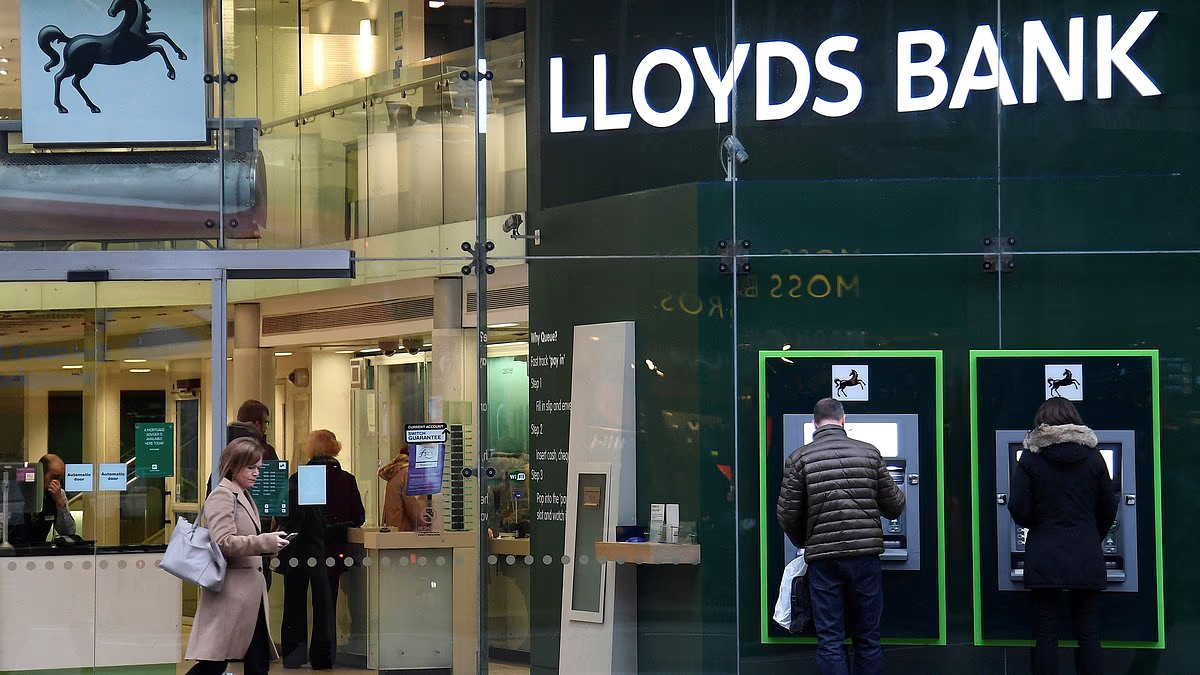
On alert: Britain’s biggest banks face a windfall tax on their ‘stellar’ profits
cost of equity and returning huge amounts of capital to shareholders.’
Gary Greenwood at broker Shore Capital said: ‘If banks continue to post stellar profits, they do leave themselves vulnerable to political attack.’
Bank bosses have cautioned that any windfall tax would lead to less lending, hampering growth.
Jamie Dimon, the boss of JP Morgan, last week warned Prime Minister Andy Burnham against taxing banks more, warning it could jeopardise its plans to build its £3billion headquarters in London’s Canary Wharf and drive investment from Britain.
Experts say the most likely way the Government could tax the sector more is through the bank surcharge.
This is levied at 3 per cent above the 25 per cent rate of corporation tax on banks that make more than £100million a year.
The surcharge was reduced from 8 per cent in 2023 by the Conservative Government. Reversing this cut would raise £9billion over four years, according to calculations by the Trades Union Congress.
Healey, is looking at ways to pay for more spending on welfare, defence and cost-of-living measures, such as support for household energy bills, while sticking to fiscal rules that limit public borrowing.
Another option is to limit a stealth subsidy paid to High Street banks, which costs taxpayers an estimated £20billion a year and is known as ‘reserve tiering’.
Under the little-known scheme, which critics say amounts to free money, lenders receive interest payments on reserves – piles of cash – they have to hold at the Bank of England.
These reserves – which amount to more than £500billion – were built up mainly as a result of the Bank of England’s quantitative easing – or money-printing – programme that was launched after the 2008 financial crisis to shore up the banking system.
Initially the banks made virtually no money on these reserves while interest rates were low.
However, they now receive 3.75 per cent interest a year on their cash piles after the Bank of England base rate soared.
And the key interest rate has remained higher for longer than expected to curb inflation, while the money-printing programme was reversed.
‘I wouldn’t rule out reserve tiering,’ said John Cronin, founder of banking consultancy SeaPoint Insights.
‘I just think the surcharge is the easier change,’ he added.
Ex-Chancellor Rachel Reeves resisted calls for a windfall tax after strong lobbying from the banks. Rules brought in to make them safer after the financial crisis are also being loosened.
Trade body UK Finance said a new banking tax would harm Britain’s international competitiveness and hinder the Government’s growth goals. Banks paid a total of £43billion in tax last year, according to consultants at accountancy group PwC.
DIY INVESTING PLATFORMS

AJ Bell
AJ Bell
Easy investing and ready-made portfolios

Hargreaves Lansdown
Hargreaves Lansdown
Free fund dealing and investment ideas

interactive investor
interactive investor
Flat-fee investing from £4.99 per month

Freetrade
Freetrade
Investing Isa now free on basic plan

Trading 212
Trading 212
Free share dealing and no account fee
Affiliate links: If you take out a product This is Money may earn a commission. These deals are chosen by our editorial team, as we think they are worth highlighting. This does not affect our editorial independence.
Compare the best investing account for you