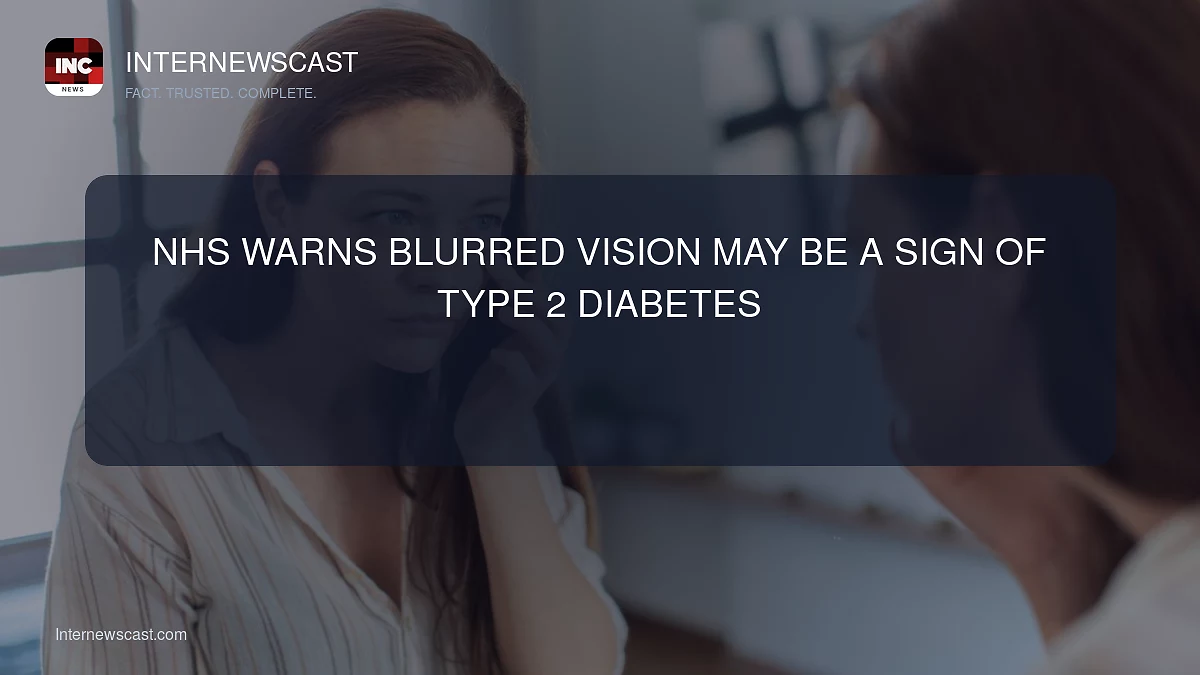

The NHS highlights several warning signs linked to type 2 diabetes, a condition that is thought to affect more than a million people across the UK who have not yet received an official diagnosis.
Type 2 diabetes develops when insulin, a hormone that helps control blood sugar, does not work as it should or when the body is unable to make enough of it.
As a result, blood glucose levels can rise too high. The condition is most often seen in adults, although children can develop type 2 diabetes as well.
In many cases, type 2 diabetes can be controlled with lifestyle changes such as a healthier diet and regular exercise, while some people may also need medication.
Some people are more likely to develop type 2 diabetes than others. According to NHS guidance, risk is higher if you are white and over 40, or over 25 and from a South Asian, Chinese, Black African or Black Caribbean background.
The risk is also greater for people who have a parent, brother or sister with type 2 diabetes, those who are overweight or inactive, and anyone living with another health condition that can increase risk, including high blood pressure.
Common type 2 diabetes symptoms include feeling tired all the time, losing weight without trying, feeling unusually thirsty, and needing to urinate more often than usual.
The NHS also warns that other signs can be easier to overlook, including blurred vision.
Further warning signs can include cuts or wounds that are slow to heal, and/or itching around the genital area, or recurring episodes of thrush.
Signs may emerge slowly, although not all individuals with type 2 diabetes experience obvious symptoms.
According to NHS guidance, you should arrange a GP consultation if you suspect you or your child might have type 2 diabetes, or if either of you face an elevated risk of developing the condition.
“Not everyone with type 2 diabetes has symptoms, so it’s important to get checked out.”