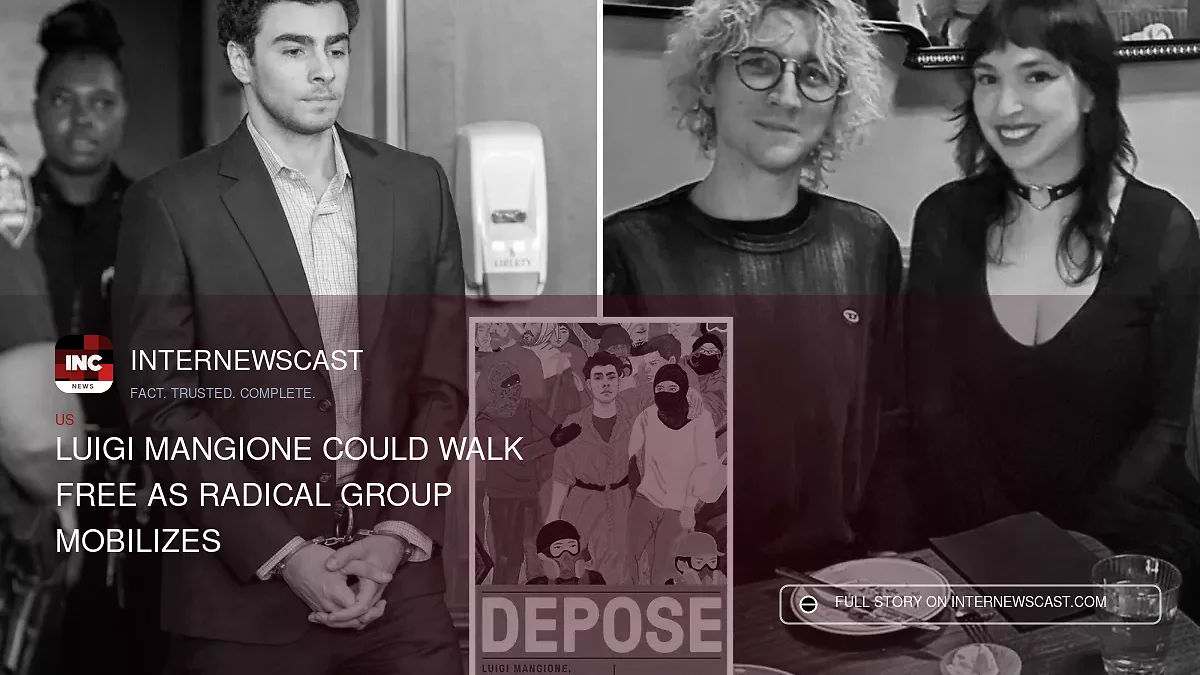

Supporters of Luigi Mangione are intensifying calls for jurors to consider a rarely invoked legal doctrine that, in theory, could lead to an acquittal even if they conclude prosecutors proved their case beyond a reasonable doubt.
The December 4 Legal Committee, a group that has collected more than $1.5 million for Mangione’s defense fund, is promoting awareness of jury nullification, according to The Times. The concept allows jurors to return a not-guilty verdict if they believe the law being applied is unjust or that enforcing it would produce an unfair outcome.
Though uncommon in modern courts and far less prevalent than it was in the 19th century, jury nullification has historically been associated with cases in which jurors want to “send a message about some social issue that is larger than the case itself,” or where the legal result conflicts with their sense of “justice, morality, or fairness,” according to Cornell’s Legal Information Institute.
Jamie Peck, one of two spokespeople for the December 4 Legal Committee, praised the practice in comments to The Times, calling it “a beautiful feature of our justice system and really one of the only safeguards against tyranny that we have.”
Mangione, 28, faces both state and federal charges accusing him of fatally shooting UnitedHealthcare CEO Brian Thompson on a Midtown Manhattan street on Dec. 4, 2024.
Authorities arrested him five days later at a McDonald’s in Altoona, Pennsylvania, where police said they found a journal in which he allegedly wrote that he wanted to “wack” Thompson and described the killing as “justified.”
Mangione has pleaded not guilty.
The case, already steeped in political tension and debate over the US healthcare system, could pose a challenge for prosecutors seeking impartial jurors in New York City.
“You have a juror pool in New York City that is particularly politically inflamed. It’s a very partisan city, and I think Luigi Mangione has a lot of support in New York City, despite the fact that he’s accused of an egregious murder,” Kenneth Belkin, a criminal defense attorney in New York, told The Times.
“I think that’s concerning because if you have a large amount of people that are supporting a [suspected] murderer’s political stance in committing a murder, that raises a real possibility that you could get some jurors on that jury that may not convict, no matter what the evidence says.”