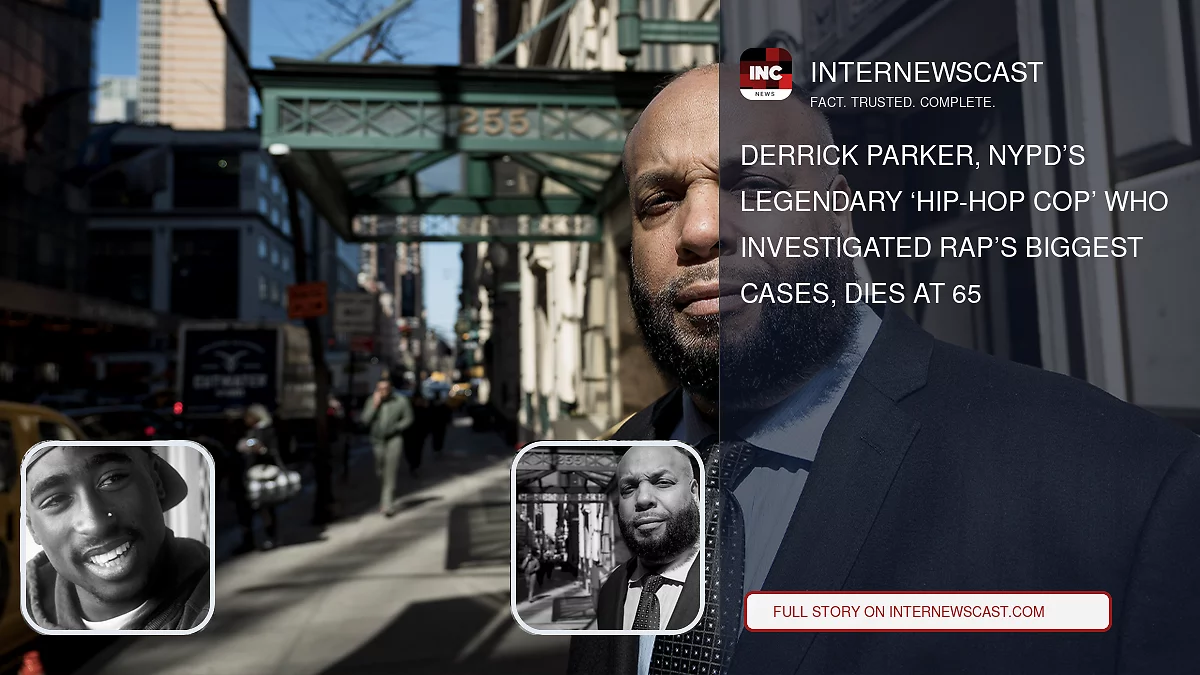

Derrick Parker, the retired NYPD detective widely recognized as the “Hip-Hop Cop” for his role in New York City’s rap-focused intelligence work during the 1990s, has died at 65.
His brother, Ralph, confirmed to News Outlet on Monday that Parker died unexpectedly on July 24 at a hospital in Nassau County, New York. A cause of death was not disclosed.
Funeral services are set for Thursday at J Foster Phillips Funeral Home in Jamaica, New York.
Derrick J. Parker became closely associated with the NYPD’s rap intelligence unit at a time when hip-hop was rapidly becoming one of New York’s most influential cultural forces. As the genre’s biggest names moved through the city with growing entourages and public attention, Parker’s work centered on tracking potential conflicts and helping police understand the dynamics surrounding high-profile artists. He later said he shared violence-prevention strategies with officials in other major music hubs, including Miami and Atlanta.
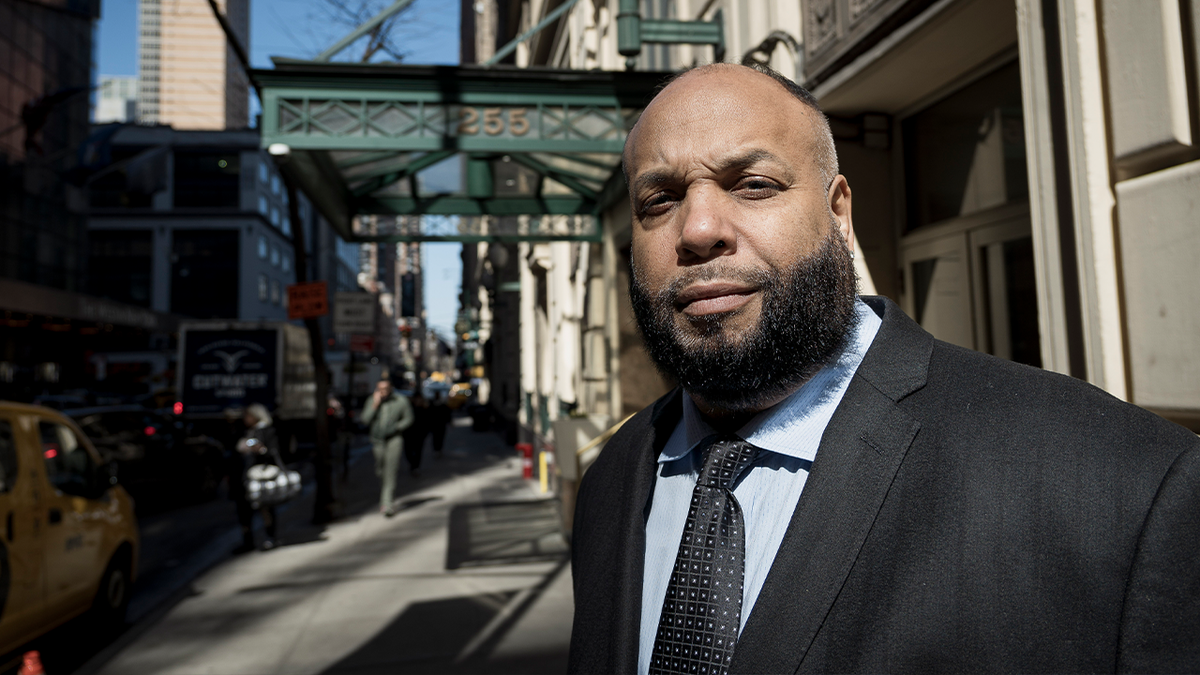
Veteran NYPD Detective Derrick Parker, seen in New York in 2024, worked in an intelligence unit that monitored hip-hop artists and their entourages during the 1990s. (Stefano Giovannini)
Beyond his reputation in the hip-hop world, Parker spent more than two decades in law enforcement, including assignments as a homicide detective and cold case investigator. According to his website, he also collaborated with federal agencies such as the U.S. Marshals, ATF, DEA and FBI.
“You have to watch and see who’s coming to your city. Who’s there and who’s what,” Parker told News Outlet in a 2024 interview. “We can’t track everybody, but when certain people come to the city, you should know who, especially certain people that are on your radar. That’s the way I look at it.”
Parker said a significant part of the job was making sure police departments and nightclub operators knew which artists and groups were expected at certain venues, with the goal of preventing rival crews from crossing paths and sparking violence.
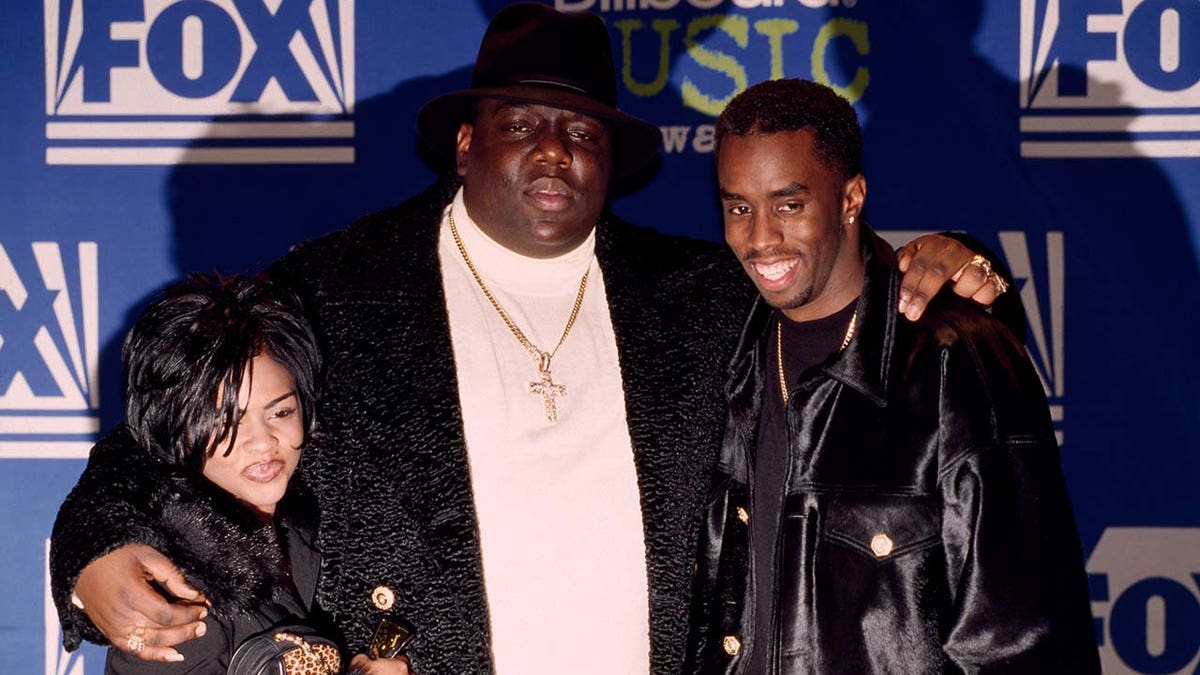
Sean “Diddy” Combs, the Notorious B.I.G. and Lil Kim — three of rap music’s biggest ’90s stars. (Getty Images)
He played a role in the 1999 investigation into the Club New York shooting where music mogul Sean “Diddy” Combs was charged but later acquitted. Pop superstar Jennifer Lopez was also briefly detained and released.
Parker said his approach to policing the hip-hop world wasn’t to come down hard on its stars.
“I was the law, so he was always friendly,” he later said of Combs. “I’m never hard on these guys. They know what they get into. They know what trouble they have.”
Parker wrote a book about his experiences, “Notorious C.O.P.: The Inside Story of the Tupac, Biggie and Jam Master Jay Investigations from the NYPD’s First ‘Hip-Hop Cop.'” The book chronicled his involvement in investigations surrounding three of hip-hop’s most notorious killings: Tupac Shakur, Christopher Wallace, who performed as the Notorious B.I.G. and Jam Master Jay, the Run-DMC DJ whose real name was Jason Mizell.
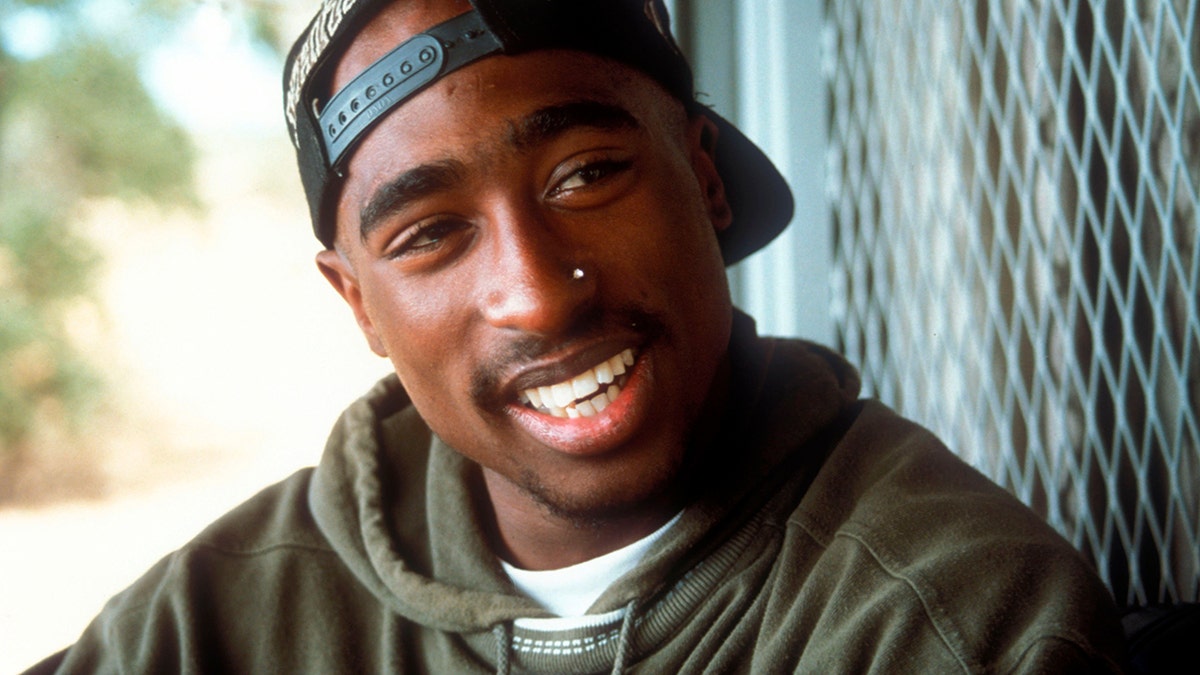
Tupac Shakur in Poetic Justice. (Columbia/Kobal / Shutterstock)
It would be decades before Mizell’s killers went on trial. Parker was on the witness stand.
After Parker retired from the NYPD in 2002, he worked in security for large events and executive protection applying the same philosophy of knowing who would be going where to avoid conflicts.
He also became a frequent media commentator on high-profile cases involving figures and venues he had encountered during his NYPD career, including Combs’ sex-trafficking trial last year and even the wedding between Taylor Swift and Travis Kelce at Madison Square Garden.
He had also told News Outlet that he hoped to write a follow-up book.
“I want to really tell a big, big story about a lot of stuff,” he said.
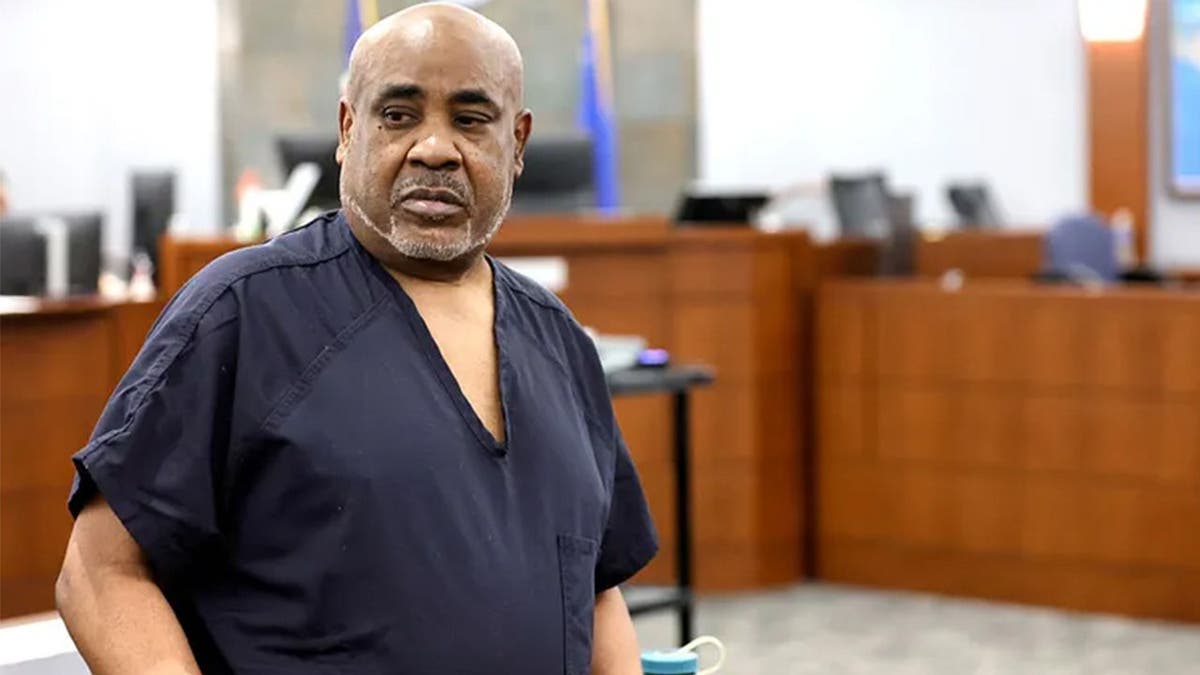
Duane “Keffe D” Davis enters a courtroom in Clark County District Court for a trial readiness status check at the Regional Justice Center on June 17, 2025 in Las Vegas, Nevada. (Steve Marcus-Pool/Getty Images)
Days before his death, he said he was closely following the Las Vegas murder case against Duane “Keffe D” Davis, who is charged with playing a role in Tupac Shakur’s 1996 murder. Jury selection began Monday.
“We were supposed to go out to dinner for my birthday,” Ralph Parker told News Outlet. “He’s like, ‘Oh, we’re gonna go out and eat. Your birthday’s coming, don’t worry about it.’ Well, I won’t be able to go eat with him.”