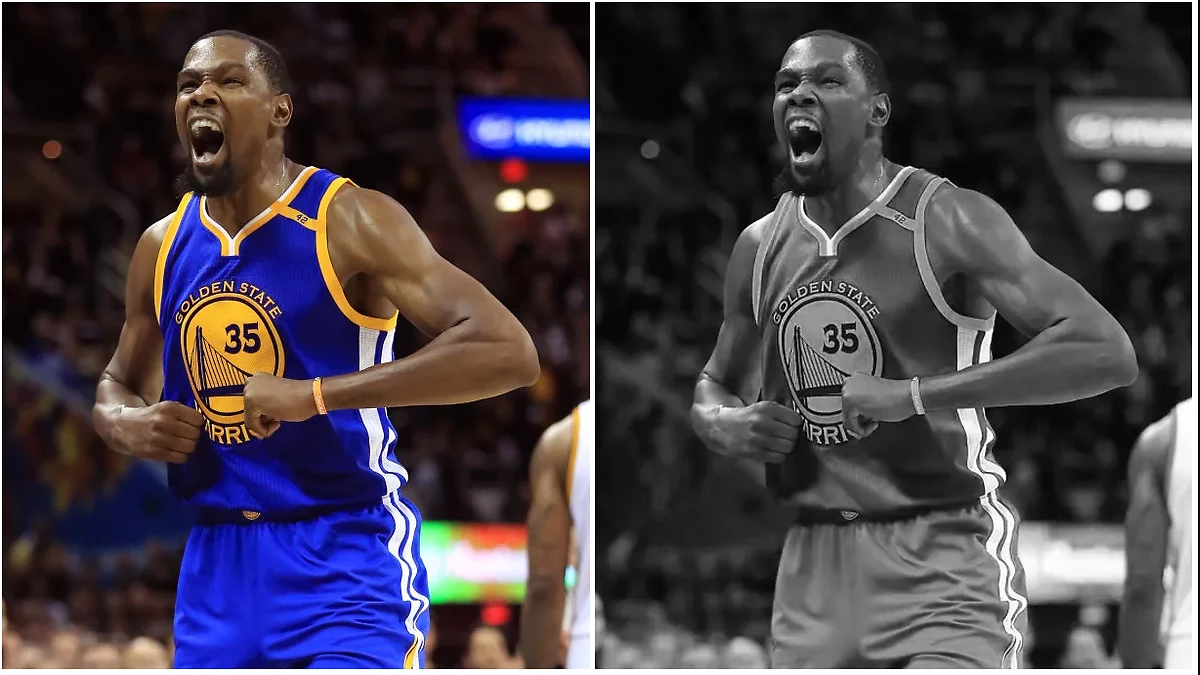

In 2018, Kevin Durant made a $100,000 bet on a quirky young tech startup called Hugging Face.
At that point, Hugging Face was best known as an “artificial BFF” chatbot designed for teenagers. The app let users build a virtual friend, exchange messages, photos and emojis, and get replies shaped around their mood. This was well before ChatGPT became a household name. Over the next several years, Hugging Face moved away from its consumer chatbot roots and reinvented itself as an open-source platform for machine-learning developers. When ChatGPT later set off a global AI boom, Hugging Face was already in the right place at the right time. It has since become one of the most influential destinations in artificial intelligence, hosting millions of AI models, datasets and applications used by developers and businesses worldwide.
Durant’s initial investment came during Hugging Face’s $4 million seed round, which was led by Ronny Conway, the son of famed Silicon Valley investor Ron Conway.
Sports business reporter Joe Pompliano says Durant put $100,000 into that seed round. The following year, when Hugging Face raised a $15 million Series A, Durant added another $150,000. Alongside longtime business partner Rich Kleiman, Durant continued supporting the company through Thirty Five Ventures as Hugging Face grew into a core part of the modern AI infrastructure stack.
Today, it was reported that Nvidia has agreed to acquire Hugging Face for $12.9 billion.
If that acquisition closes at the reported price, Durant’s first two checks — a combined $250,000 — could be worth more than $60 million today. That figure may even represent the low end of his potential return.
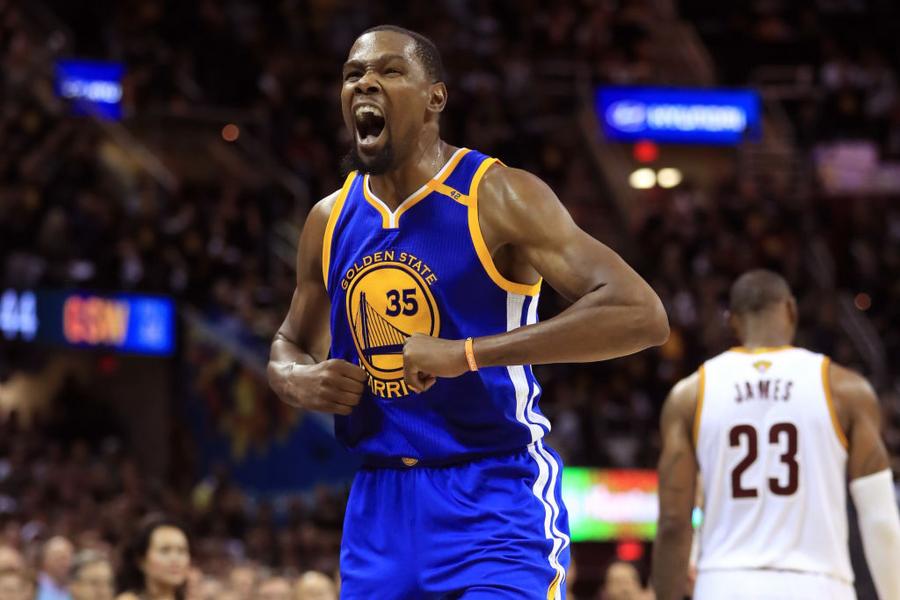
Getty Images
From Teenage Chatbot To AI Powerhouse
The real value of Hugging Face was not ultimately the teen-focused chatbot, but the technology powering it. As the company leaned deeper into natural-language processing and machine learning, it began making its tools available as open-source software, allowing developers to more easily download, customize, train and share increasingly advanced AI models.
By late 2019, Hugging Face had reinvented itself into an increasingly important piece of AI infrastructure. That December, it raised a $15 million Series A led by Lux Capital, with Durant participating again.
And he kept going.
Hugging Face raised a $40 million Series B in 2021, with Durant and Kleiman again listed among the investors. In 2022, the company raised $100 million at a $2 billion valuation, and Hugging Face’s own announcement again named Durant, Kleiman and Thirty Five Ventures among its existing backers.
By 2023, Hugging Face was valued at $4.5 billion and attracting money from some of the biggest names in technology, including Google, Amazon, Salesforce, IBM, AMD, Intel, Qualcomm and Nvidia itself.
Yes, Nvidia was already an investor before deciding it apparently wanted the whole thing.
Its interest has now culminated in the reported agreement to acquire Hugging Face for $12.9 billion, nearly three times the company’s 2023 valuation.
How Much Kevin Durant Could Make
Venture capital math is never as simple as taking an early ownership percentage and multiplying it by the eventual sale price. Every time a startup raises another financing round, new shares are generally issued, diluting earlier investors unless they put up additional capital to maintain their stake.
Durant’s original shares therefore would have been diluted as Hugging Face raised hundreds of millions of dollars. But the company’s value also increased exponentially, and Durant repeatedly participated in later rounds.
After accounting for dilution, Durant’s initial $100,000 seed investment and subsequent $150,000 Series A investment could now be worth more than $60 million at a $12.9 billion acquisition valuation.
If that estimate proves accurate, $250,000 became roughly $60 million, representing a 240x gross return and around $59.75 million in profit before taxes and any economics shared through Thirty Five Ventures or other entities.
And $60 Million May Be Too Low
As we just laid out, Durant continued to invest in each round. We don’t know how large those later follow-on investments were or exactly how Hugging Face ownership is divided among Durant personally, Kleiman, Thirty Five Ventures and any other participating entities.
So $60 million should not be interpreted as a confirmed check Nvidia is about to deposit into Durant’s bank account. The transaction still has to close, the cash-versus-stock structure matters, and taxes will eventually take a significant bite.
But those same caveats point in the opposite direction as well. The publicly documented funding history strongly suggests that $250,000 was not Durant’s total lifetime investment in Hugging Face. If Durant and 35V continued investing meaningful amounts while protecting their ownership percentage, the full value of their position could be substantially higher than $60 million.
First Whoop, Now Hugging Face
The story has a familiar ring for regular CelebrityNetWorth readers. Back in April, we took a detailed look at Durant’s early investment in Whoop.
Durant and Thirty Five Ventures invested when the fitness-wearable company was valued at roughly $125 million. Earlier this year, a new financing round valued Whoop at $10.1 billion. After accounting for likely dilution and a documented follow-on investment, we estimated that 35V’s position could plausibly be worth somewhere around $110 million to $125 million.
The major difference is that Whoop remains private, so Durant’s enormous gain there is still largely on paper. Hugging Face could become an actual liquidity event. If Nvidia’s reported $12.9 billion acquisition closes, early shareholders will finally have a mechanism for converting years of private-company appreciation into cash or publicly traded stock, depending on the structure of the transaction.
Durant’s venture portfolio includes early bets on Whoop, Postmates, Acorns, Robinhood and numerous other startups, along with sports-team investments and his Boardroom media business. Hugging Face may turn out to be one of the clearest examples yet of just how successful Durant and Kleiman have been away from basketball.


