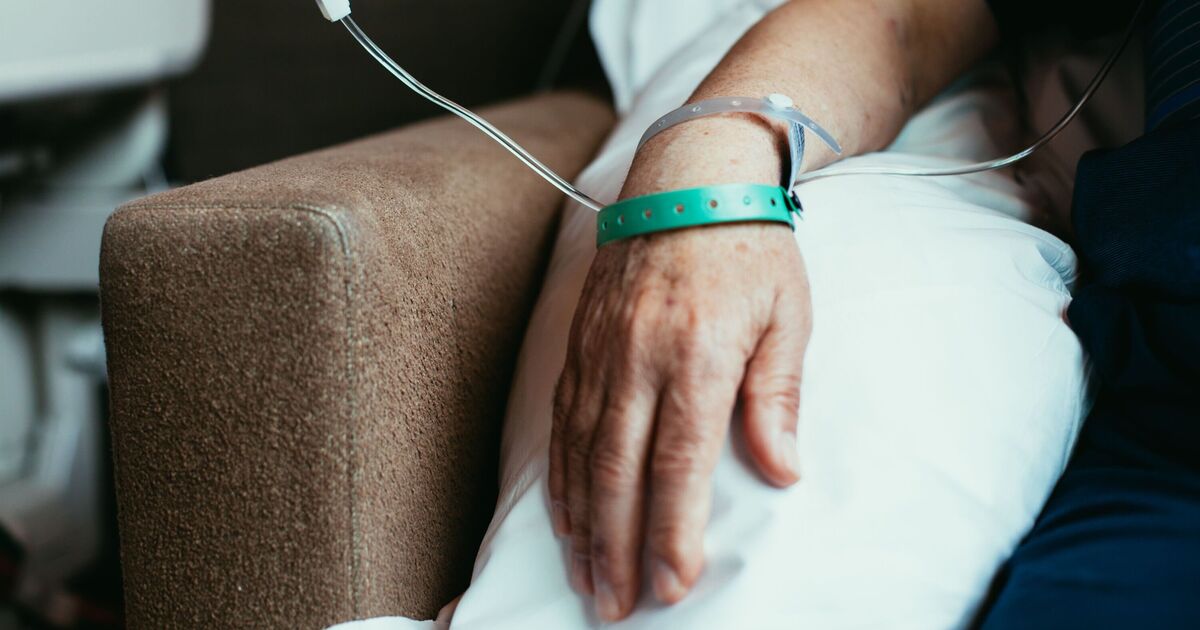
Cancer patients who receive treatment in the morning may live significantly longer than those treated later in the day, according to new research. The apparent benefit was seen most clearly among people with skin cancer, lung cancer and some kidney cancers who were given immunotherapy before lunch rather than in the afternoon.
Immunotherapy is designed to boost the body’s immune response, helping it identify and destroy cancer cells. In the study, patients who received most of their immunotherapy sessions in the morning survived for more than twice as long as those whose appointments were mainly in the afternoon. Researchers at The Christie, the specialist cancer hospital in Manchester, analysed data from 2,631 patients with advanced cancer.
The study’s senior author cautioned that the findings do not prove morning treatment directly caused the improved survival rates, but said they point to “a signal worth investigating further”.
Professor Paul Lorigan, a consultant medical oncologist at The Christie, told The Telegraph: “Our findings suggest that patients receiving immunotherapy earlier in the day may have better outcomes than those receiving treatment later in the day. But this was a retrospective study, so we cannot conclude that timing alone is responsible.”
The research team was exploring whether circadian rhythms influence immune system activity and, in turn, how patients respond to cancer treatment.
The NHS defines circadian rhythm as the body’s internal clock, which helps regulate physical and behavioural changes over a 24-hour cycle.
The strongest response to morning immunotherapy was found in patients with melanoma, the most deadly form of skin cancer, the study reported.
According to The Telegraph, melanoma patients who had their infusions early in the day had a median survival of 43.1 months, compared with 21.1 months for those treated mainly in the afternoon.
While among lung cancer patients receiving atezolizumab or pembrolizumab, the median survival for those treated in the morning was 24.2 months.
For the afternoon group, the median survival was 11.8 months.
The study was based on patients being treated for different types of cancer between 2018 and 2023.
Scientists said there could be other explanations for the study’s findings.
For example, more unwell patients may need additional clinical checks prior to treatment, potentially leading to more afternoon appointments.
The researchers at The Christie are now seeking funding for prospective, randomised research with scientists at the University of Southampton and University of Cardiff.


