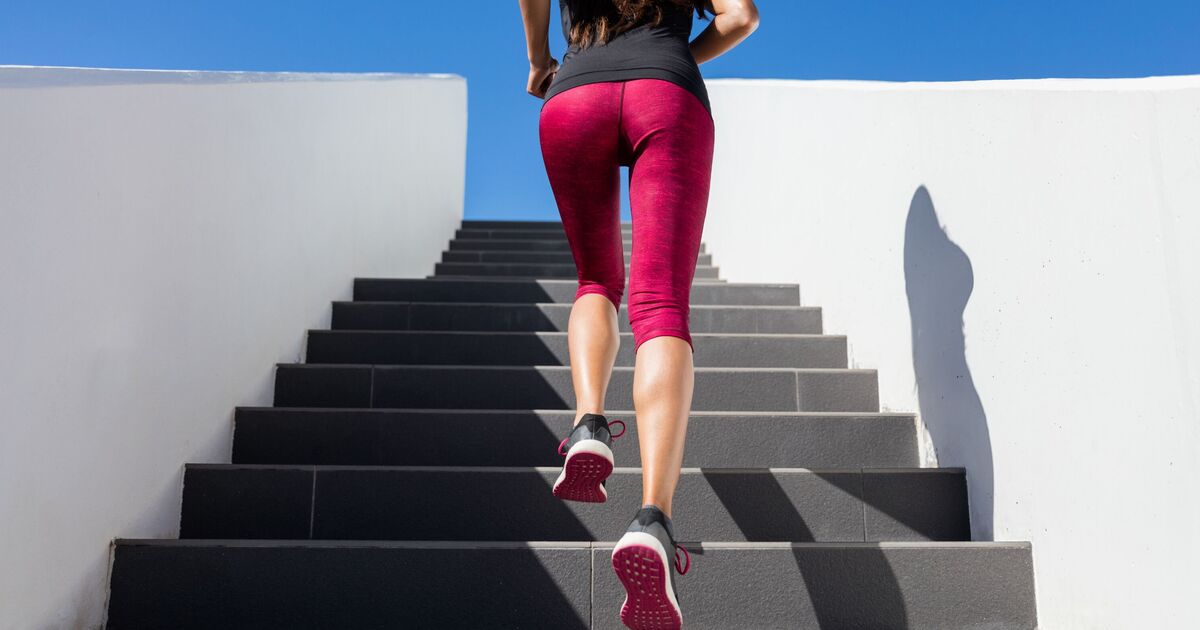


Modern lifestyles could be taking a toll on our bottoms, experts warn (Image: Getty)
Millions of pounds may be spent trying to sculpt, firm and tone our behinds, but the glutes matter for far more than how we look in a pair of jeans. These powerful muscles are among the body’s most important stabilisers, helping us walk, climb stairs, maintain balance and support the spine and pelvis.
Dr Andrew Gorecki, a doctor of physical therapy and author of The Truth About Lower Back Pain: The Hidden Culprits, said: “The glutes are the engine that power nearly every movement you do. They power standing up, walking, climbing stairs, catching your balance when you stumble, even just holding yourself upright. All of it runs through the glutes. They are stabilisers too. They hold your pelvis level while you walk, keep your knee tracking straight when you take a step, and prevent your spine from doing work it wasn’t designed for.”
Looking after these muscles could also help safeguard mobility in later life, Gorecki added: “Strong glutes are also what let you keep doing the things that make life worth living into your 70s, 80s, and beyond.”
what’s your bottom made up of?

The gluteus maximus is the largest and most superficial of the three gluteal muscles (Image: Getty)
The biggest muscle in the buttocks is the gluteus maximus. A substantial, fan-shaped muscle, it extends roughly 15 to 20cm from the base of the spine and hip bones to the upper thigh bone. It powers movements such as running, stepping, squatting and climbing, while also providing much of the shape of the bottom.
But Gorecki stressed that the two other gluteal muscles should not be overlooked. “The gluteus medius is the middle one, on the side of the hip,” he said. “Its main job is to stabilise the pelvis and hold you steady with every step you take. This is the muscle whose weakness causes the most trouble in older adults. But it gets the least attention in typical exercise programmes.”
The gluteus minimus is the smallest and deepest of the trio, positioned beneath the medius. “It works alongside it to control hip stability and contributes to inward rotation of the hip,” Gorecki said. “While it’s a small muscle, it has a meaningful role.”
Modern life is weakening our glutes
Unlike our ancestors, who would have walked, run, squatted and climbed regularly throughout the day, many of us now spend hours sitting. Car journeys, desk jobs, sofa time and scrolling on smartphones all keep the gluteal muscles inactive for long periods. Over time, this lack of use can weaken them. Research has also suggested that prolonged sitting may increase the size of the buttocks.
A 2014 study published in the Biophysical Journal found that sustained compression of fat cells in the buttocks, such as when sitting for extended periods, can alter the way fat tissue is distributed and encourage it to expand.
Professor Amit Gefen of Tel Aviv University, the study’s lead author, explained: “We found fat cells exposed to sustained, chronic pressure, like what happens to the buttocks when you’re sitting down, experienced accelerated growth of lipid droplets, which are molecules that carry fats. Contrary to muscle and bone tissue, which get mechanically weaker with disuse, fat deposits in fat cells expanded when they experienced sustained loading – by as much as 50%. This was a substantial discovery.”
Why your bum droops as you age

Dr Andrew Gorecki is a physical therapy expert and author of The Truth About Lower Back Pain (Image: Courtesy Andrew Gorecki)
As the years pass, many of us notice our once perky bottoms becoming flatter and well… “deflated”. And there’s a range of reasons why our derrieres lose their pert shape. Our bottoms contain a network of fibres designed to help them resist gravity. These are strong, collagen-rich threads that weave vertically out from the deep muscle fascia, go straight through your fat layers, and thread tightly into the underside of the skin, keeping it firm and supported. However, as we get older, these stretch and become less elastic, contributing to a droopier appearance.
Meanwhile, as levels of collagen, elastin and other connective tissues decline, the skin also loses its firmness, becoming uneven and wrinkled. Furthermore, unless we actively work to maintain muscle strength, our glute start to shrink from our 40s onwards, also making our bums looks flatter.
Why buttocks get dimples

Bottoms change in shape and texture as you age (Image: Getty)
More than nine out of 10 women develop cellulite at some point in their lives, particularly around their hips and buttocks. But why is this dimpled appearance more common in women than men? One reason is that women’s hormone patterns encourage them to store fat in this area.
Women also have differences in the make-up of the tissues here. In females, the fine bands of connective tissue running through this area are arranged more vertically, allowing fat cells to push up towards the skin’s surface. When their fat cells expand, they start to rise above the surface, creating a bumpy “orange peel” effect.
Men tend to have more connective tissue fibres, which are also arranged in a more criss-crossed pattern. This creates a firmer structure that holds their buttock fat more securely in place, so they get less of a dimpled effect. Men also typically have 25% thicker skin in this area. This helps make the surface of their buttocks look smoother.
How to make your glutes stronger.
Target your glutes directly: Dr Gorecki says: “Two to three sessions a week is enough. Exercises like glute bridges, single-leg glute bridges, side-lying leg lifts, clamshells, sit-to-stands, and single-leg deadlifts all belong in the mix. No gym equipment needed.”
Work on each side separately too: As well as squats which use both legs, try exercises that target one leg at a time. Gorecki adds: “Two-legged exercises let your strong side compensate for your weak side. Single-leg exercises expose and correct asymmetries, and they train the exact pattern you use when you walk.”
Move throughout the day: Dr Gorecki suggests working glute movement into your day daily to keep them active. “Standing up every 45-60 minutes, walking after meals, and building in movement breaks prevents the gluteal amnesia that hours of sitting create. Ten minutes of movement every hour matters more than one intense workout at 6pm.”
Don’t let the years get in your way: It doesn’t matter how old you are. It’s never too later to make glutes stronger. Dr Gorecki says: “Adults in their 70s and 80s still respond to glute training. The gains are meaningful and often show up quickly, within six to 12 weeks of consistent work. Don’t accept muscle loss as inevitable.”
Weak buttocks put your health at risk as you age – really

Use them or loose them (Image: Getty)
Think of your glutes as a bridge between your legs and your spine. When they lose strength, your body has to find stability elsewhere, placing more strain on other muscles and joints. This can increase the risk of back pain. Over time, weak glutes can also affect your postureand balance. When they are strong, they help keep your pelvis in a neutral position, supporting your spine’s natural curves.
Your gluteus medius, in particular, helps keep your pelvis level when you walk. If it gets weak, your hips get less stable, throwing you off balance and making trips more likely. Physiotherapist Tim Allardyce, of surreyphysio.co.uk, says: “Strong glutes help to stabilise your hips and lower back, which can in theory, help improve posture and reduce the risk of back pain. They also give you better balance and stability, which becomes increasingly important as we age.”
Bottom muscles can influence how you age
Walking speed is considered by many researchers to be one of the best signs of healthy ageing. This is because strong glutes help provide the power you need to push your body forwards with every step. As your glute strength declines, you are likely to become slower and less confident on your feet.
Dr Gorecki also runs movement platform mymovementrx.com. He has this main takeaway: “Strong glutes aren’t simply about how the buttocks look. They’re about whether you can climb the stairs at 70, walk on uneven ground at 75, get up off the floor at 80, and stay independent at 85. Everyone in the fitness industry sells the appearance of strong glutes. Fewer people talk about what they actually do – which is to keep you moving through your life.”