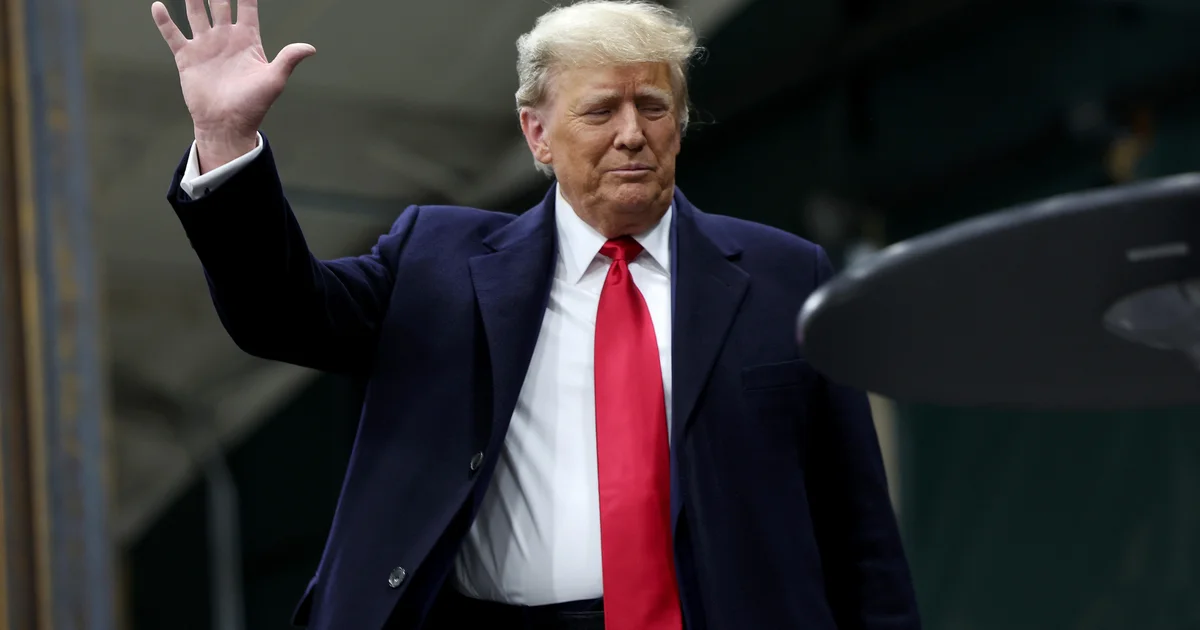

An Iowa judge on Wednesday threw out President Donald Trump’s lawsuit against The Des Moines Register and the newspaper’s former pollster, ruling that coverage of a disputed 2024 presidential poll did not violate the state’s consumer fraud law.
Iowa District Judge Scott J. Beattie called the case unusual and warned that letting what he described as “faulty” claims continue could create a chilling effect, discouraging people from reporting on or discussing matters of public interest. The ruling favored pollster J. Ann Selzer and the newspaper, whose attorneys characterized the lawsuit as a conspiracy theory and a threat to free speech.
The decision came only hours after another judge heard arguments—though issued no immediate ruling—in a separate dispute over Mr. Trump’s ban of CNN, MS NOW and Politico from White House grounds. The president barred the three outlets beginning Friday, criticizing them as “fake news.”
Mr. Trump brought the Iowa case in December 2024 against Selzer, The Des Moines Register and the paper’s parent company. He alleged that they knowingly released an inaccurate poll to hurt his campaign and benefit Democrats, while arguing that election polling should not receive First Amendment protection.
The lawsuit was among several legal actions Mr. Trump and his allies have pursued against news organizations over alleged bias. Those cases have tested the limits of free speech protections for the press, with some ultimately ending in settlements.
In his Iowa state court ruling, Beattie said the lawsuit attempted to push state law far beyond its established boundaries by treating speech entitled to the strongest First Amendment safeguards as grounds for legal liability. After reviewing the arguments, he concluded that the constitutional protection involved was too broad—and the proposed legal theory too expansive—for the case to continue.
Beattie added that dismissal was required even if he assumed, strictly for purposes of evaluating the motions, that Trump’s allegations were true and that the poll had been deliberately manipulated. Each of the lawsuit’s three claims would still fail, he wrote, because they did not satisfy the legal standards for fraud or consumer deception. The judge emphasized that both the poll and the reporting about it represented protected political speech, not a commercial product.
The White House directed questions to the president’s private attorneys, who did not immediately respond to requests for comment.
The Foundation for Individual Rights and Expression represented Selzer in the case. In a statement Wednesday, she welcomed the decision, saying it upheld the basic right to investigate and publish information without political pressure.
“Polling is a social science, not clairvoyance, and no responsible pollster can guarantee an election outcome,” Selzer said.
Republican Rep. Mariannette Miller-Meeks and former Iowa state Sen. Brad Zaun also joined the lawsuit. Selzer and the other defendants had sought to move the proceedings to federal court, but after roughly a year of legal wrangling, the case’s first hearing was held in state court this year.
Selzer’s firm conducted the survey in the final days of October 2024 and published it shortly before Election Day 2024. The poll found then-Vice President Kamala Harris, the Democratic nominee, leading Mr. Trump among likely Iowa voters, 47% to 44%.
Mr. Trump went on to win Iowa decisively, receiving 56% of the vote from the nearly 2 million residents who cast ballots.
Mr. Trump, Miller-Meeks and Zaun claimed the poll and the attention surrounding it damaged their reputations and cost them valuable time, money and campaign resources during the final stretch of the election.