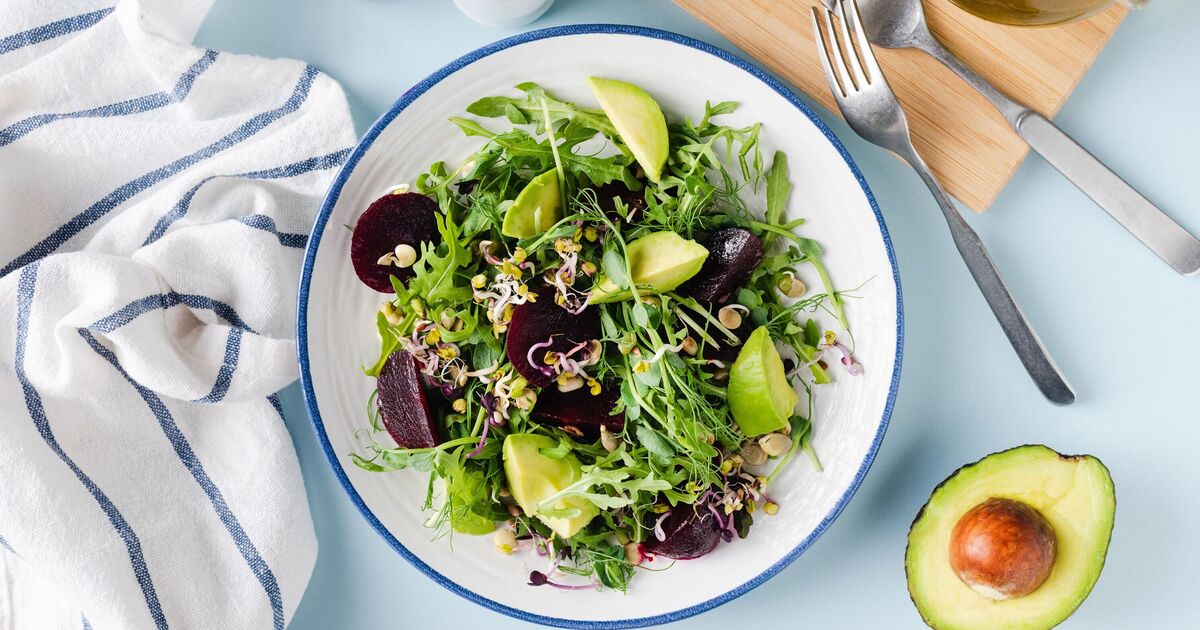

Health professionals are urging people across Britain to eat more fruit and vegetables to help protect their hearts. These foods supply many of the vitamins, minerals and other nutrients the body needs to function properly. Yet fewer than one in five adults are thought to achieve their five-a-day target, leaving most people with a significant nutritional shortfall.
I asked nutrition experts which fruits and vegetables could help support heart health, maintain healthy blood pressure and lower the risk of heart disease. While every variety offers nutritional value, they highlighted several affordable choices with particular benefits. Each can be worked into everyday meals, from breakfast and lunch to dinner, or enjoyed as a convenient snack.
Here are nine fruits and vegetables recommended by health experts for a heart-friendly diet.
Spring onion

Nicolle Cucco, a registered dietitian at Muscle Booster, recommends using spring onions as a flavourful alternative to salt.
“Spring onions are an inexpensive way to add more vegetables and flavour to meals without relying on large amounts of salt, butter or saturated fat,” she said.
“They also provide vitamin C and other plant compounds.”
For anyone aiming to improve their heart health, Cucco said straightforward flavour swaps can make reducing salt easier. Fresh herbs, garlic, spring onions and spices can all add depth to food, while keeping salt consumption within recommended limits may help maintain healthy blood pressure.
(Image: Getty)
Avocado

Avocados are another valuable addition, Cucco said, because they contain monounsaturated fats. “Replacing foods high in saturated fat with sources of unsaturated fat can help maintain healthy cholesterol levels,” she explained.
They also contain fibre and potassium, two nutrients associated with a heart-conscious eating pattern. Adding avocado to toast, salads or sandwiches is a simple and relatively affordable way to increase unsaturated fat intake.
(Image: Getty)
Berries

Lucy Kershaw, a nutrition expert at Nature’s Best, said berries offer an affordable route to more heart-supporting foods.
“Berries can be a great addition to a heart-healthy diet because they are naturally low in saturated fat and provide soluble fibre, which can help to support lower cholesterol levels,” she said. Raspberries, strawberries and blueberries are easy choices, and their fibre content may also contribute to overall heart health.
Kershaw suggested adding a handful of berries to yoghurt or porridge at breakfast. Frozen varieties can also be a budget-friendly option, as they last longer and are available throughout the year.
(Image: Getty)
Rocket

Rocket is another inexpensive way to boost the nutritional value of meals, according to Dr Linia Patel, a women’s health dietitian and performance nutritionist at Pure Sports Medicine.
“Rocket is naturally rich in dietary nitrates, which the body converts into nitric oxide, helping blood vessels relax and supporting healthy blood flow and blood pressure,” she said. It can be served as a salad ingredient or blended into a rocket pesto.
(Image: Getty)