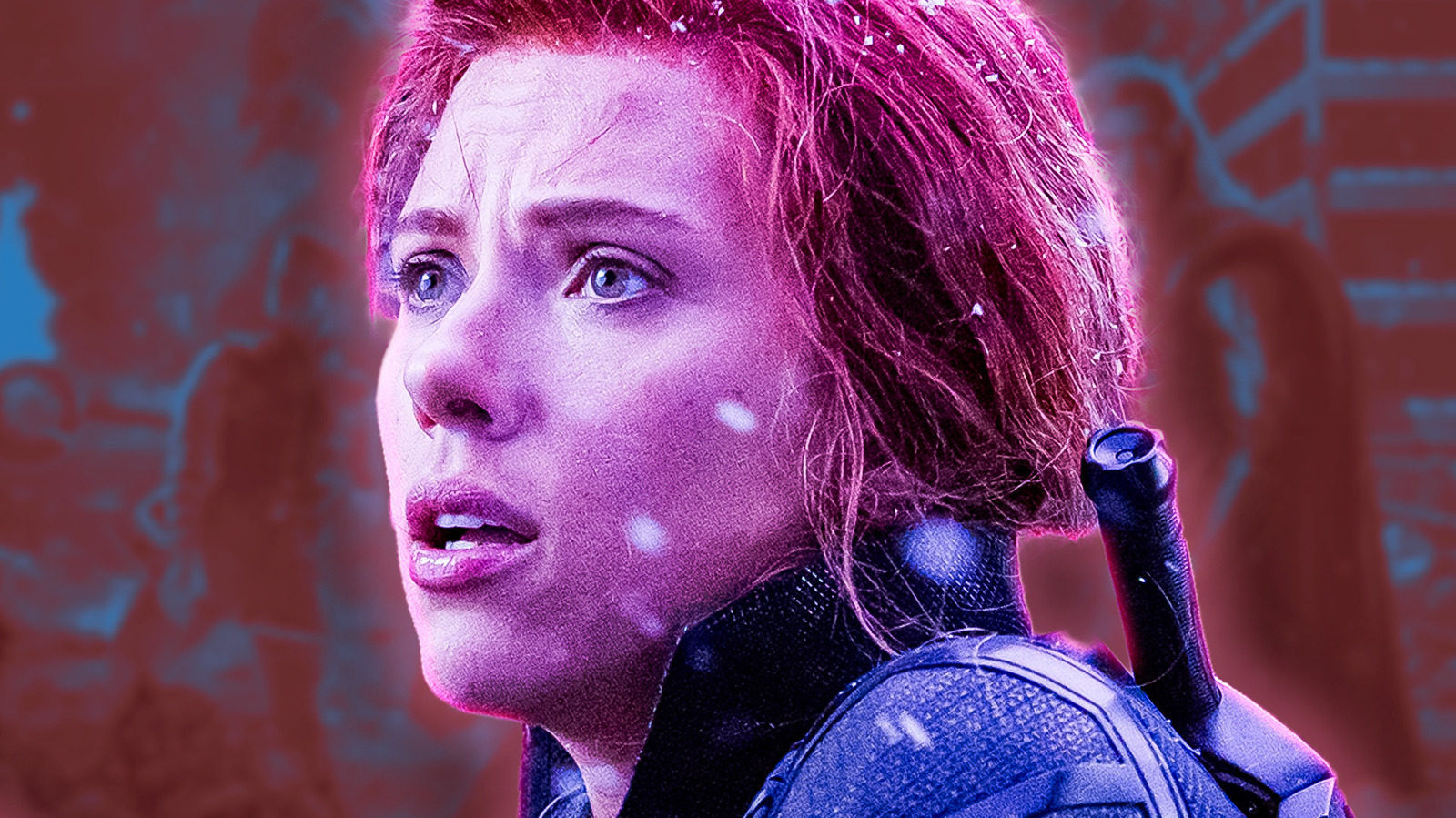

Keeping up with the Marvel Cinematic Universe was fairly straightforward during its first three phases. Since the events of “Avengers: Endgame,” however, the franchise has expanded in almost every direction, making it difficult even for longtime fans to remember where everything stands before “Avengers: Doomsday.” Looper’s video above provides a quick refresher on the MCU’s current landscape.
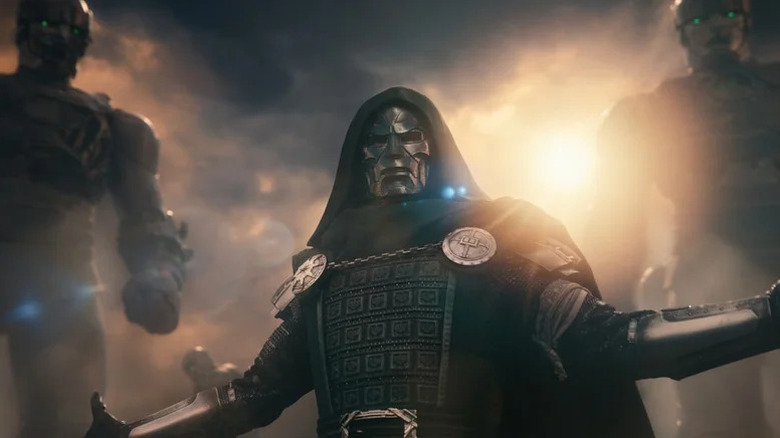
The larger MCU storyline once followed a relatively clear path. Some heroes led their own films, others appeared in supporting roles, and the Avengers reunited for major crossover events. Today, the lineup is far more crowded. Alongside surviving Phase 1 heroes are characters from “Avengers: Endgame,” newer figures who may eventually become Avengers, and a possible Tony Stark variant in the form of Doctor Doom, played by Robert Downey Jr. With so many players on the board, a multiversal reset may not be the worst thing that could happen.
Beginning with Phase 4, Marvel has steadily introduced characters who appear likely to have a place in the Avengers’ future, although several have yet to make consistent live-action appearances. The situation becomes even more complex as Disney+ series increasingly connect to the theatrical movies. Even if the MCU were telling one continuous story in a single reality, following every development would be a challenge — and the franchise now stretches across multiple timelines and universes.
The increasingly complex MCU timelines have made things difficult to follow
Walt Disney Studios Motion Pictures
Alternate timelines were already central to “Avengers: Endgame,” but the MCU has leaned into the idea even more in the years since. The conclusion of “Avengers: Endgame Encore” suggests that the consequences of those events will play an important role in “Avengers: Doomsday.”
Between the two films, Marvel has used movies and television shows to explore time travel, alternate realities and different versions of familiar characters. The result is an MCU that has grown larger than ever — and considerably harder to navigate. The Fox-era X-Men, for instance, are now part of the broader multiverse, while Marvel Studios has already assembled a new cast for its upcoming MCU-set X-Men film.
Projects such as “Spider-Man: No Way Home” have made strong use of the multiverse, while the two-season Disney+ series “Loki” helped establish the Time Variance Authority and clarify how branching timelines function. For viewers who have not watched every MCU release since 2019, Looper’s recap offers a streamlined overview of the key developments leading into “Avengers: Doomsday,” which is scheduled to premiere on December 18.


