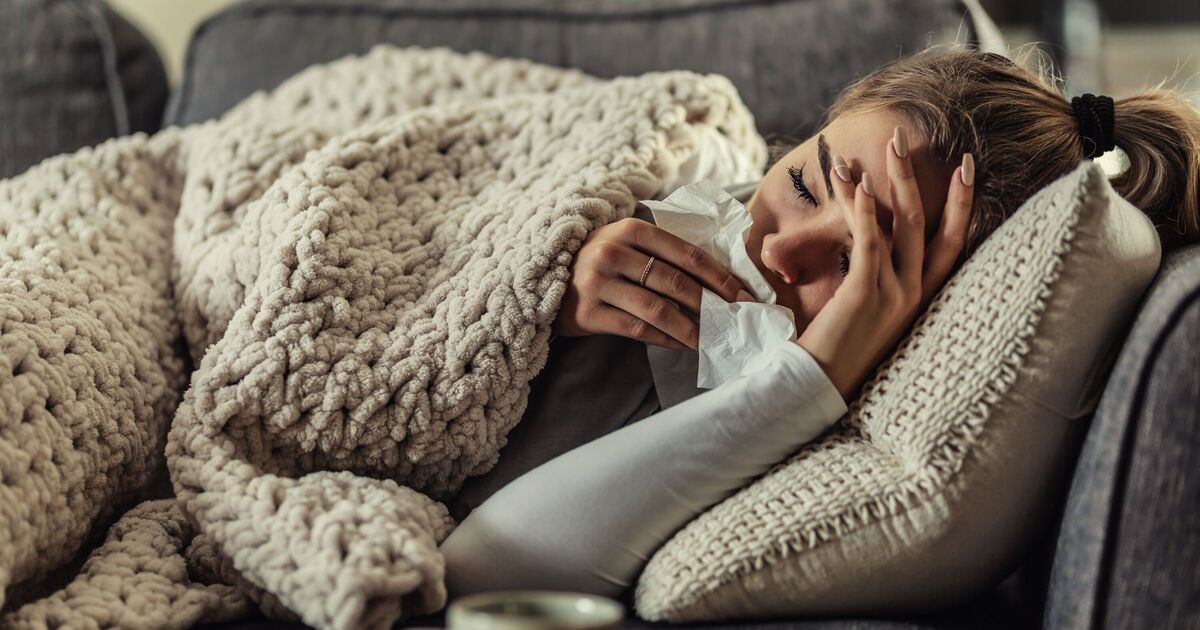


Stay at home if you have a high temperature (Image: Getty)
The UK Health Security Agency (UKHSA) has reiterated its stay-at-home advice for people experiencing one of two key signs of Covid-19 or another respiratory infection.
Covid-19 remains at low levels across the UK, although positive cases are beginning to increase. The latest UKHSA figures, published on October 8, show that the proportion of positive Covid tests among hospital patients rose from 7.9% to 9.1% in the week ending October 4, 2026. Weekly hospital admissions also climbed to 2.04 per 100,000 people, up from 1.75 per 100,000 the previous week. By October 4, a total of 1,638 Covid-19 cases had been recorded in hospital settings, compared with 1,328 the week before.
The highest positivity rate was recorded among people aged 85 and over. In that group, the rate increased to 13.1% in the week to October 4, compared with 10.4% on the previous Sunday.
Covid-19 infections often rise as winter draws closer. Colder conditions encourage people to spend more time indoors and in close contact with others, creating more opportunities for respiratory viruses to spread.
Although Covid symptoms can resemble those caused by colds and flu, NHS and UKHSA guidance highlights two important reasons to stay home: having a high temperature or feeling too unwell to carry out normal activities.
Health officials advise staying at home and avoiding contact with other people if you:
do not feel well enough to go to work, school, childcare or take part in your usual activities
If staying home is not possible, wear a face mask when you go out to help reduce the risk of passing the infection on. You should also avoid crowded areas and cover your nose and mouth when coughing or sneezing.
Reaffirming the advice this week, the UKHSA said: “If you have symptoms of a respiratory infection, such as COVID-19, and you have a high temperature or do not feel well enough to go to work or carry out normal activities, you should avoid contact with vulnerable people and stay at home if possible.
“For those of us who absolutely cannot stay at home, the guidance remains unchanged and can help reduce the likelihood of passing the infection to others:
avoid crowded places, including public transport, large social gatherings and enclosed or poorly ventilated spaces
take exercise outdoors, choosing places where you will not be in close contact with other people
cover your mouth and nose when coughing or sneezing; wash your hands regularly with soap and water, or use hand sanitiser after coughing, sneezing or blowing your nose and before eating or handling food; and avoid touching your face.”
UKHSA data indicates that 9.1% of positive Covid samples sequenced between August 31, 2026 and September 13, 2025, were identified as the XFG strain. The variant is also known as Stratus or “American Covid”.
XFG was first detected last January and has since spread internationally. The World Health Organisation describes it as a combination of the LF.7 and LP.8.1.2 variants.
XFG is currently the dominant Covid-19 variant. However, it is not believed to cause more severe illness than other strains in circulation, while vaccines are expected to continue providing protection against it.
People aged 75 and over, those with weakened immune systems and residents of care homes are eligible for a Covid-19 vaccine. The NHS will contact eligible individuals, and people in these groups are “strongly encouraged” to receive the vaccination.


