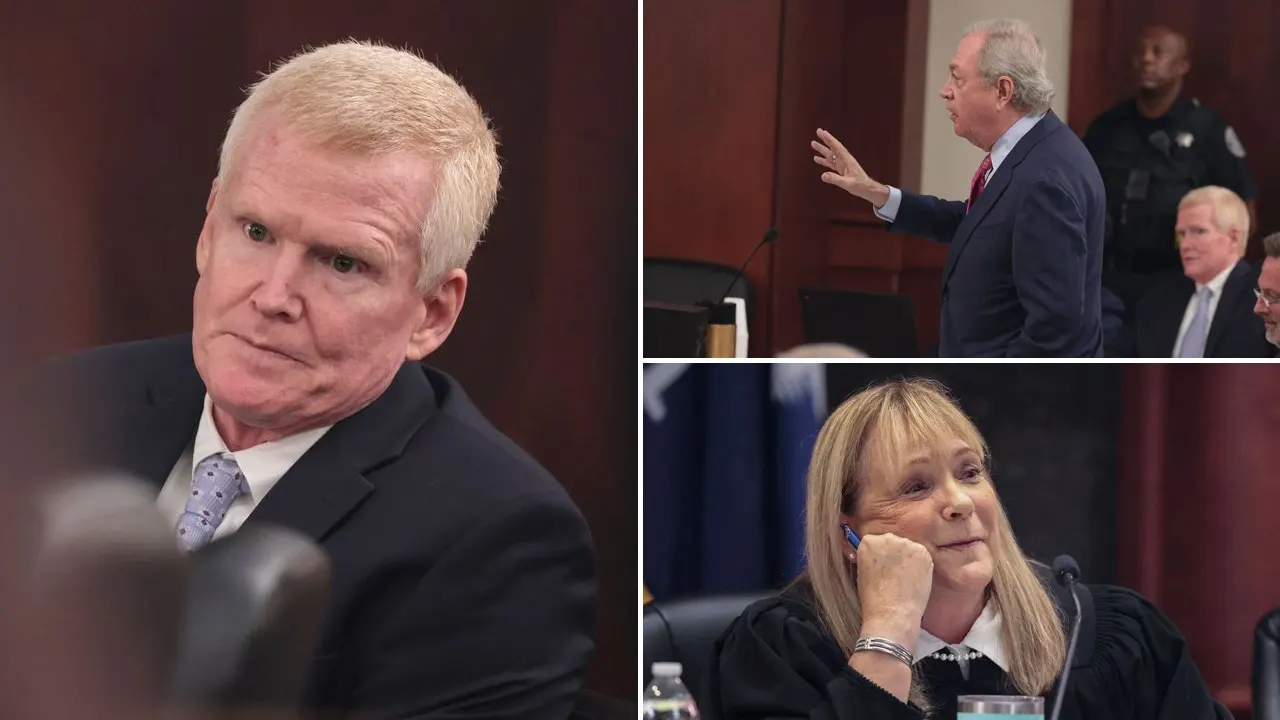

Alex Murdaugh’s defense is taking a “high risk” gamble on new DNA testing as it seeks evidence that could point to another killer, a prosecutor told the court, citing the defense’s own expert.
Judge Debra McCaslin ruled Friday that the defense could proceed over prosecutors’ objections with additional testing of swabs from Maggie Murdaugh’s cellphone and clippings taken from beneath her fingernails. The testing is expected to consume nearly all of the remaining usable material. McCaslin said due process gives a defendant “a meaningful opportunity to present a full and complete defense.”
Murdaugh was convicted in 2023 of killing his wife, Maggie, and their son, Paul, at the family’s Moselle property in Colleton County. The South Carolina Supreme Court later overturned those convictions, ruling that former Colleton County Clerk of Court Becky Hill had improperly influenced jurors.
His retrial is set to begin April 5, 2027. Murdaugh has continued to deny responsibility for the murders.
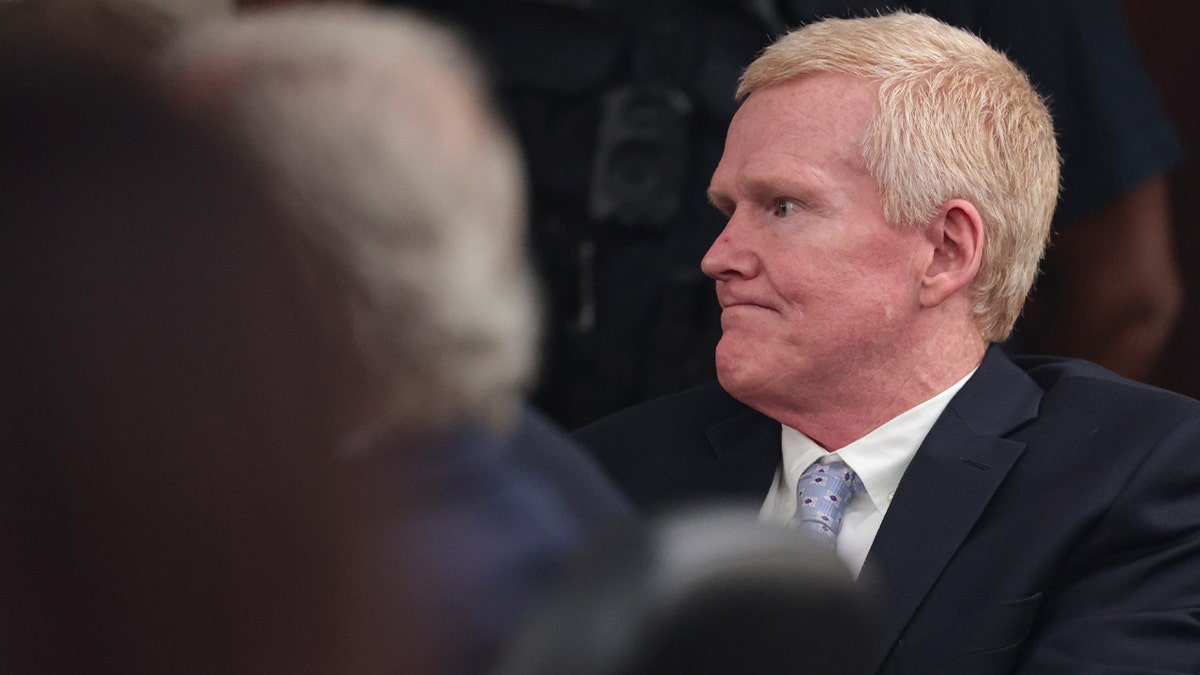
Alex Murdaugh at a pretrial hearing in Lexington, South Carolina on Oct. 16, 2026. (Tracy Glantz of The State and Henry Taylor of The Post and Courier.)
The defense plans to hire Othram to conduct Y-STR testing, a technique that examines DNA from the Y chromosome and can produce a male DNA profile when female DNA makes up most of a sample.
Murdaugh’s lawyers say all three samples contain unidentified male DNA and want to determine whether the material came from the same man. Defense attorney Phil Barber said the results could eliminate some people as possible contributors and might offer ancestry clues. However, Y-STR testing cannot distinguish between men who share the same paternal lineage.
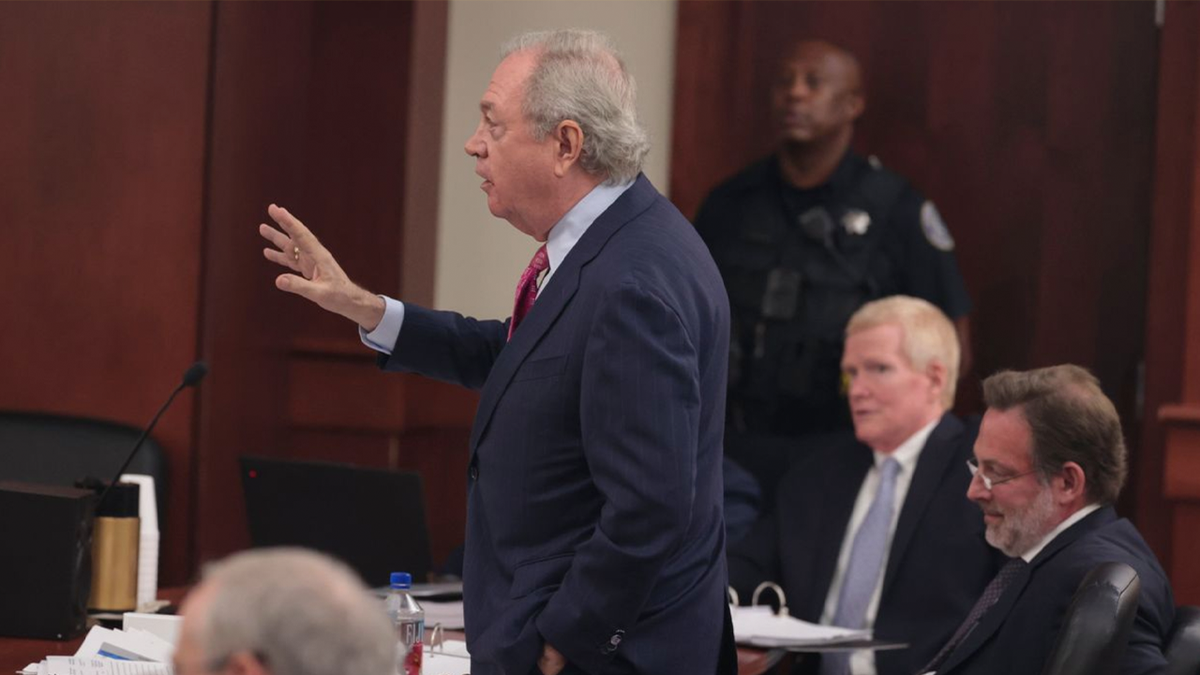
Alex Murdaugh’s attorney, Dick Harpootlian, speaks at a pretrial hearing on Oct. 16, 2026. (Tracy Glantz of The State and Henry Taylor of The Post and Courier)
The defense estimates that the testing will take about 90 days.
Creighton Waters, the lead prosecutor, characterized the proposed analysis as “high risk” and said it was unlikely to produce meaningful evidence.
“When we talked to their expert, he said, yeah, that’s pretty much a sole source sample. This would be high risk and unlikely to generate anything, and [it] appears that that’s the case, because when we got back the quantification from [Othram], it’s goose eggs on the Y chromosome,” Waters said.
Barber acknowledged that the unidentified male DNA could have an innocent explanation, but said its appearance across multiple pieces of evidence warranted further examination.
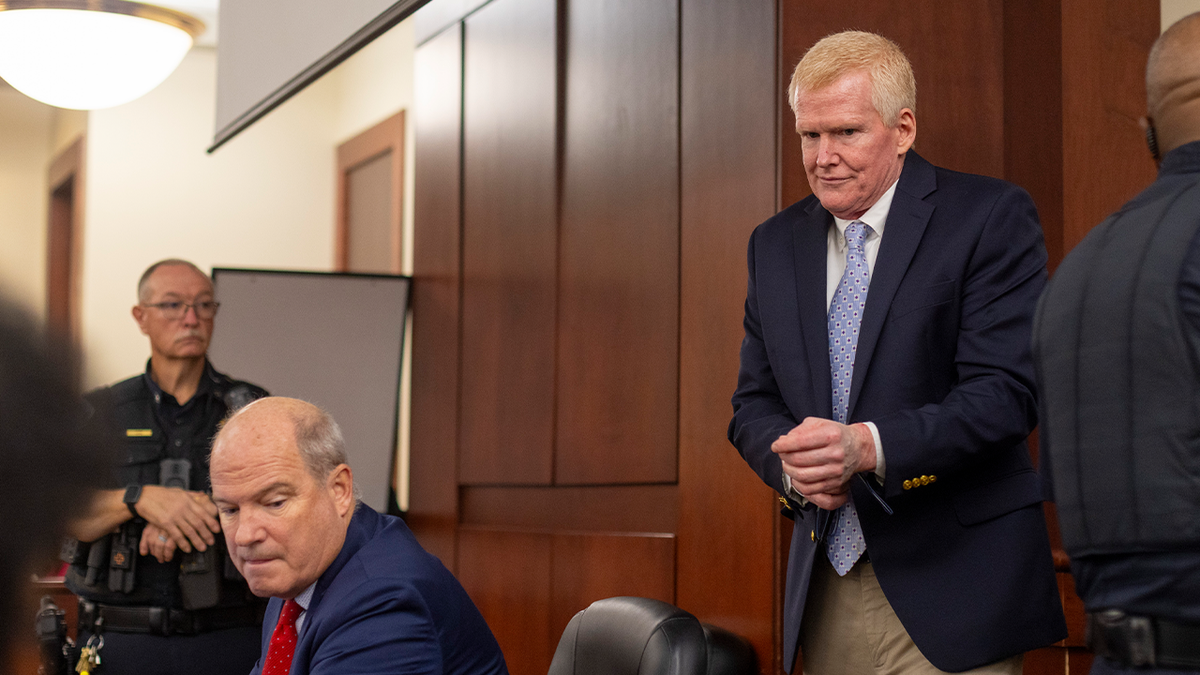
Alex Murdaugh in court on Oct. 16, 2026. (Tracy Glantz of The State and Henry Taylor of The Post and Courier)
“Maybe it’s different male DNA. Maybe it’s the same. Maybe it’s red herrings … But as we keep progressing from one hand to two hands and now the phone, you know, it’s starting to look less and less like a red herring,” Barber said. “If you have an unknown person under both her fingernails and throwing the phone out the side of the road after she’s murdered and it’s not him. I mean, that’s extremely important to the defense.”
Both sides acknowledged that conducting the DNA analysis would leave too little material for additional testing during any post-trial proceedings. Murdaugh agreed to move forward despite that possibility.
“To perform the test, there is enough to perform the test, but there’s not enough to perform the test and then have enough left over,” Barber said.
“My client just informed me that he will waive that,” Barber said, referring to any post-conviction retesting.

Alex Murdaugh arrives for a judicial hearing on Monday, June 29, 2026, at the Marc H. Westbrook Judicial Center in Lexington, South Carolina. Murdaugh will be retried in the June 7, 2021, shooting deaths of his wife and son, after his original conviction was overturned due to jury tampering. (Tracy Glantz/The State via Pool)
Former prosecutor Joshua Ritter told News Outlet that the strategy could ultimately hurt the defense. He said lawyers might have been better served by leaving the DNA untested and using the unknown male profile at trial to support an argument that reasonable doubt remained.
“They could make an argument, hey you found samples, it was unknown male DNA. That DNA did not come back to our client, correct? There’s somebody else out there who could potentially be linked to this crime,” Ritter said. “Now, unless it comes back that it’s a person who does have some reason to be suspicious, they’ve got a problem because if it comes back to a person with a rock solid alibi or a person with an innocent explanation as to why their DNA would end up underneath her fingernails, they’ve foreclosed any argument that they could have made.”
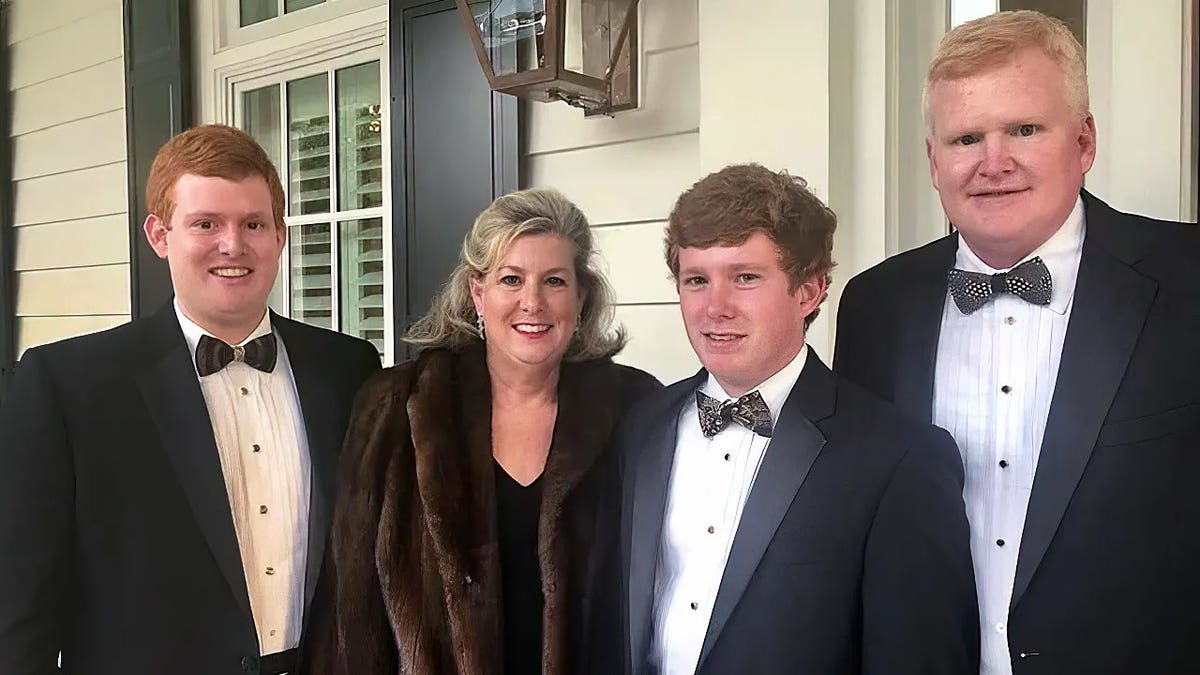
Alex Murdaugh, right, is shown here with his family. (Fox News)
“It’s one of those situations where sometimes it’s better left unknown for the defense, but they seem to be determined to try to figure out who that DNA belongs to,” he added.
Murdaugh is due back in court on Nov. 13.
News Outlet reached out to Murdaugh’s defense team for comment.