
PARIS – Paris museums shut their doors Saturday as authorities mobilized a major security operation for another wave of protests across France, determined to avoid a repeat of the violence that rocked the country the previous week.
Widespread looting, torched vehicles and assaults on public buildings fueled the perception that the government had lost control. In Paris and other urban centers, masked groups targeted shops and businesses during the unrest.
Interior Minister Laurent Nuñez said up to 70,000 police officers would be deployed nationwide. Authorities also planned to use helicopters, armored vehicles and water cannons.
Another large turnout was expected after more than 500,000 people joined demonstrations across France the previous week.
Museums close as retailers brace for unrest
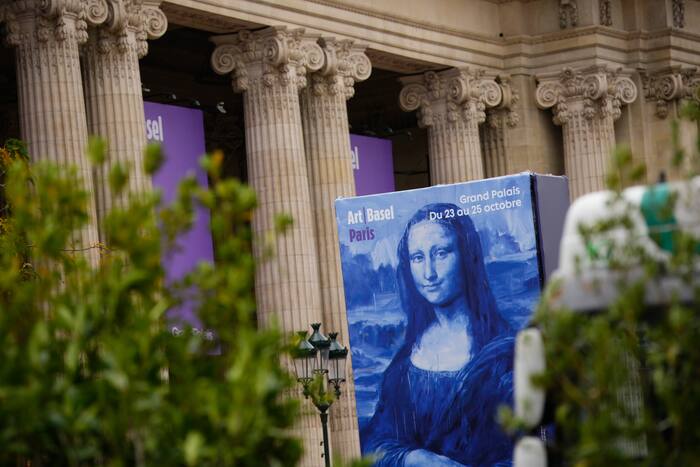
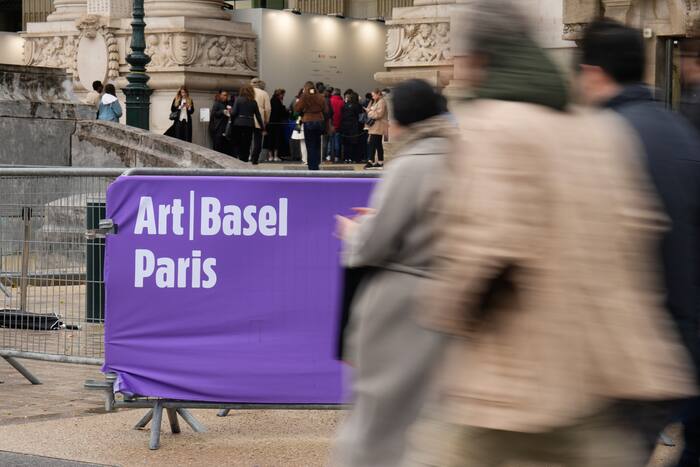
The Louvre, Musée d’Orsay, Picasso Museum and Grand Palais were among the major Paris institutions closed Saturday. The Grand Palais is hosting a prominent Cézanne exhibition. Art Basel, one of the leading contemporary art fairs, welcomed visitors Friday but canceled its weekend program because of concerns about renewed violence.
Shopkeepers in the capital spent the week reinforcing their businesses. Around Place de la République, a focal point of last weekend’s clashes, a bank and several other establishments were covered with wooden boards in an effort to deter looters.
After the violence, Paris police prefect Patrice Faure advised business owners to bring in private security. He later clarified that the government, rather than individual retailers, was responsible for protecting shops and their owners.
Across France, roughly 3,000 shops were damaged or looted during the previous weekend’s unrest.
Authorities prohibit some demonstrations
Marches were planned in Paris and Marseille, while authorities in Lyon, Nice and Montpellier prohibited several other rallies. The unrest also severely affected cities beyond the capital. In Limoges, a suspected arson attack nearly destroyed the 19th-century city hall.
Trade unions condemned the restrictions, arguing that the bans violate constitutionally protected freedom of expression.
President Emmanuel Macron is confronting the crisis during the final phase of his term, with his approval rating at its lowest point since he took office in 2017. Macron has defended the measures as necessary to safeguard town centers, businesses and public buildings.
Saturday’s protest in Orléans, roughly 110 kilometers (70 miles) south of Paris, was also expected to draw close attention.
Around 50 organizations planned an anti-far-right demonstration alongside the two-day congress of Marine Le Pen’s nationalist, anti-immigration party, held ahead of next spring’s presidential election. Labor unions, left-wing parties, student organizations and anti-racism groups were among the organizers.
Students and workers voice growing anger
The protests began last month at a high school southeast of Paris, where students were demonstrating over a shortage of staff.
The unrest soon expanded through class boycotts and rallies in Paris suburbs, other parts of the country and smaller towns. High school students have highlighted chronic underfunding and staff shortages, especially in poorer neighborhoods. Many have also demanded changes to the university admissions system, which they view as unfair.
As frustration grew over the government’s perceived failure to address the students’ concerns, the movement broadened into a nationwide protest over the rising cost of living. The escalation comes only months before voters choose Macron’s successor.
“The money is now concentrated in the hands of very few people,” said Victoria Ambrosini, an art critic and art teacher at Saint-Denis University. “And it’s not possible anymore.”