
It has been quite a week for UK investors, with some markets across the Atlantic also caught in the turbulence.
The FTSE 100 had been moving steadily towards another record high and, by Thursday morning, was within roughly 50 points of that milestone.
Then, almost without warning, the rally reversed and the index fell back to levels last seen a month ago. The consolation is that it remains 7 per cent higher than at the beginning of the year.
Each time the market approaches the 11,000 mark, something appears to knock it off course.
This time, the trigger was the US midterm election result and a sharp reassessment of the technology boom.
A sell-off was probably inevitable. The prospect of a Democratic-controlled Congress imposing tighter rules on artificial intelligence and slowing the construction of data centres gave US investors the excuse they had been waiting for.
That correction is not necessarily a bad thing. Bubbles are far less dangerous when they burst early; the bigger they grow, the more severe the damage when confidence finally fades.

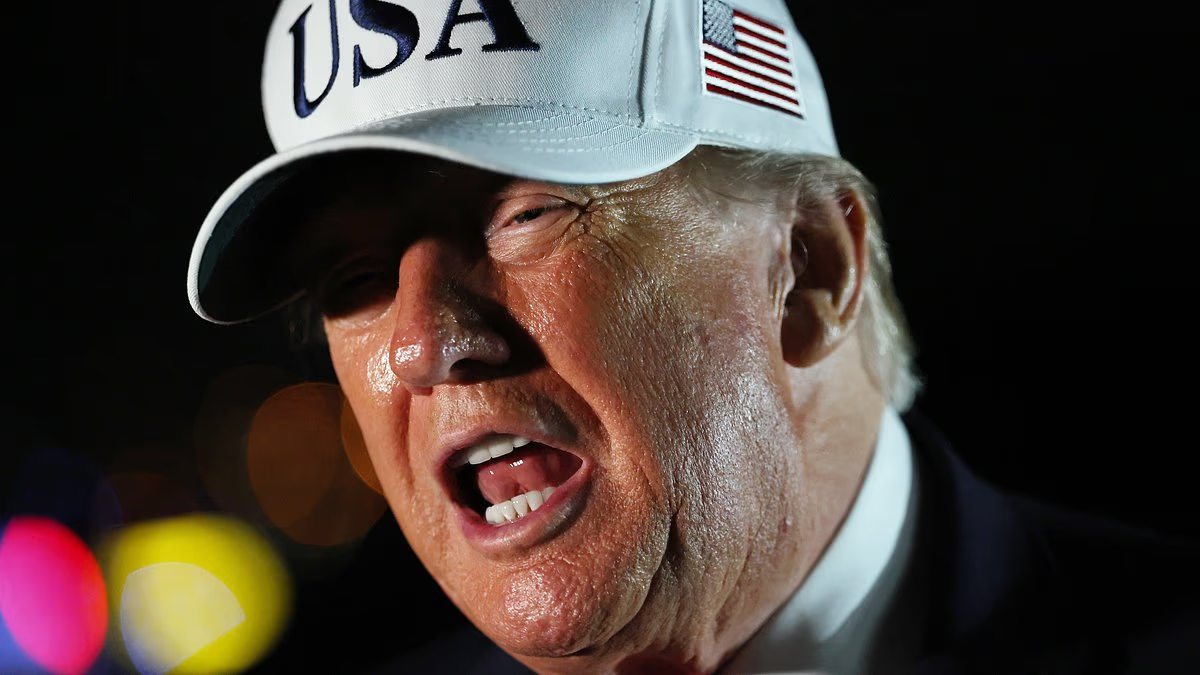
It has been a turbulent week for UK investors, says Hamish McRae
The concentration risk remains considerable. The so-called Magnificent Seven technology companies had reached valuations far above those of most other businesses and sectors.
It is unfortunate that the UK market has been dragged into the sell-off. Although artificial intelligence will have a profound effect on Britain’s economy, the immediate exposure is relatively limited.
Even so, when huge amounts of wealth are wiped out elsewhere, markets here are bound to feel the consequences.
The central question is whether this marks the closing stages of the current economic and financial cycle, or whether it is simply a familiar pause midway through it.
The argument for a mid-cycle setback is that the global economy still appears remarkably resilient, especially after the series of shocks it has absorbed.
The invasion of Ukraine, conflict in the Middle East, tariff disruption, rising bond yields and higher short-term interest rates in the UK have all weighed heavily. Yet the world economy is still expanding by about 3 per cent, and the International Monetary Fund expects growth to accelerate to 3.4 per cent next year.
As I noted after writing from Washington two weeks ago, the S&P 500 index of leading US-listed companies has finished higher over the 12 months following every midterm election since 1950.
That record includes the period surrounding the Black Monday stock market crash on October 19, 1987.
I am reasonably confident that, a year from now, investors will still be able to point to the long-running pattern of US shares rising after midterm elections.
Still, it would be foolish to assume history cannot fail this time.
Several developments could bring the current economic cycle to an end.
Among the most obvious are a sharp rise in global bond yields and a poor response from central banks if inflation proves even more persistent than expected.
The Bank of England, after all, now believes UK inflation could reach 5 per cent next summer.
Another threat that deserves greater attention is the volatility created by the growing concentration of money in tracker funds.
These funds now represent more than half of the S&P 500 and over a third of the UK stock market. The sector is also heavily concentrated in the hands of three giants: Vanguard, BlackRock and State Street.
Unlike active funds, trackers generally have to remain invested, leaving them with little or no cash reserve. If investors begin selling, fund managers must sell the underlying holdings immediately, potentially making the decline even steeper.
They cannot simply hold cash and buy when prices fall. It is rather like someone yelling ‘fire’ in a crowded room while everybody heads for the exit at once.
That said, major crashes occurred long before index-tracking funds became such an important force. The 1987 collapse, for example, created an outstanding opportunity for investors who had cash available.
I continue to believe that, over long periods, global equities have delivered the strongest returns for investors who stay the course – even if this week has once again postponed the FTSE 100’s attempt to reach 11,000.
DIY INVESTING PLATFORMS
AJ Bell
AJ Bell
Simple investing with ready-made portfolios

Hargreaves Lansdown
Hargreaves Lansdown
Free fund dealing plus investment inspiration

interactive investor
interactive investor
Flat-fee investing available from £4.99 a month

Freetrade
Freetrade
Invest in an Isa for free with the basic plan

Trading 212
Trading 212
Commission-free dealing with no account charge
Affiliate links: This is Money may receive a commission if you take out a product. Our editorial team selects these offers independently because we believe they are worth highlighting. This does not compromise our editorial independence.
Find the best investing account for your needs


