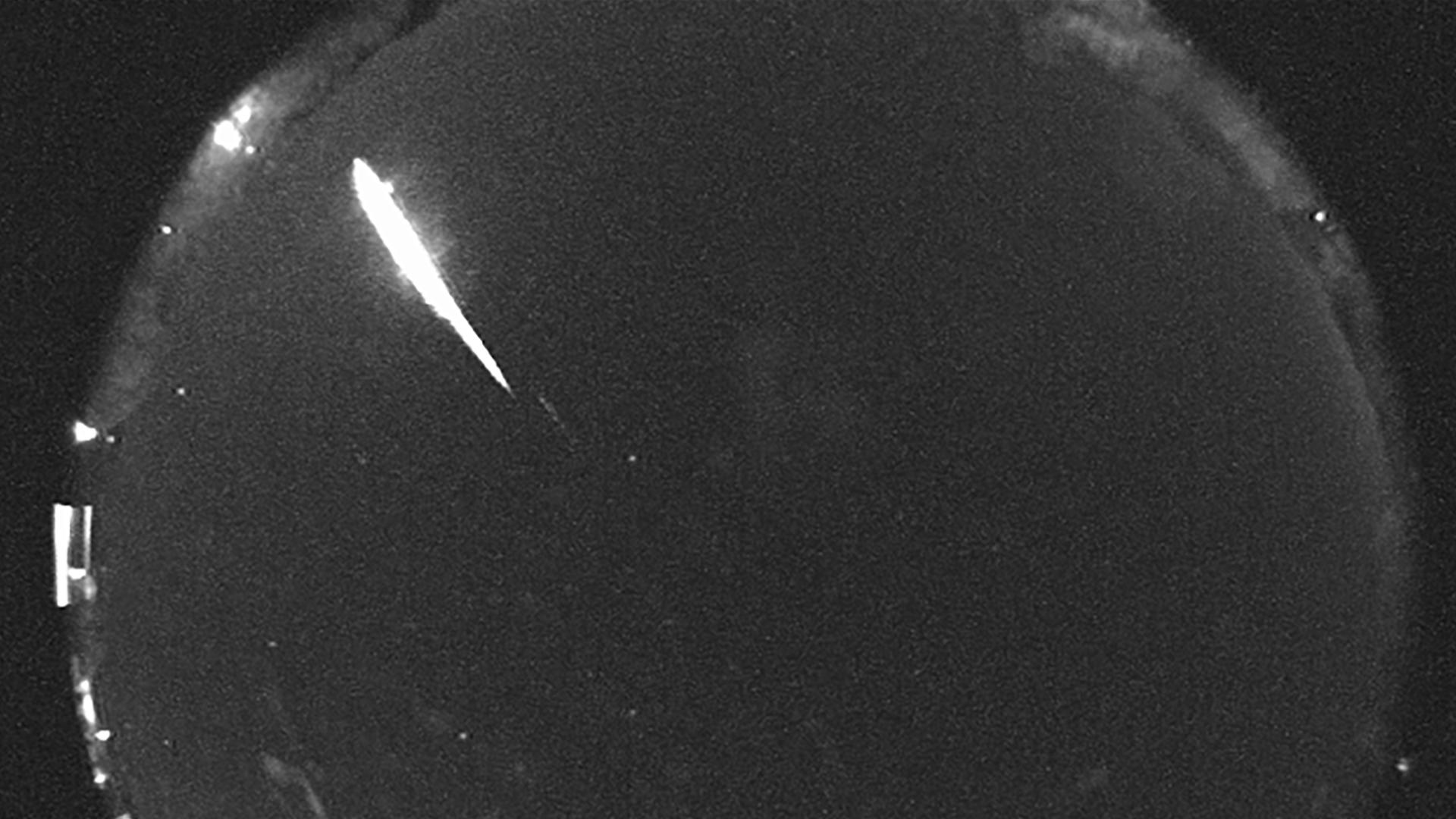

The Northern Taurid meteor shower is set to reach its peak by Thursday, with little moonlight expected to interfere with viewing.
Bundle up, leave the city lights behind and prepare for a late-night skywatching session. The Taurid meteor shower will be at its strongest this week, offering the possibility of seeing several striking fireballs across the November sky.
The Northern Taurids appear to come from the northern portion of the constellation Taurus and are expected to peak around Thursday. The Southern Taurids, which seem to radiate from the constellation’s southern region, reached their peak during the first week of November. Both showers are visible from most locations around the world.
Although the Taurids produce fewer meteors than many other annual showers, their meteors are typically brighter and slower. That can make them easier to spot, even though viewers may see only a few each hour.
How to watch the Taurid meteor shower
Go outside around midnight on a clear night and choose a location away from towns and other sources of bright light. Allow your eyes roughly 30 minutes to adjust to the darkness, then search for the constellation Taurus.
Taurus rises in the east and should be high in the eastern-southeastern sky around midnight. If you can locate Orion’s three-star belt, look up and to the right for Aldebaran, the reddish-orange star that represents the bull’s eye.
About five meteors per hour may appear near Taurus, although Taurid meteors can streak across nearly any part of the sky.
IN CASE YOU MISSED IT: LA Councilmember Nithya Raman Poised to Beat Karen Bass for Mayor

Do I need a telescope?
No. On a clear night with dark skies, Taurid meteors are visible to the naked eye, so a telescope or binoculars is not required.
The moon reaches its New Moon phase on Monday, when it will be completely out of sight from Earth. As thin slivers reappear later in the week, they are still unlikely to create much light pollution. Even so, check the local forecast for clouds before heading out.
Where does the Taurid meteor shower come from?
The annual shower occurs as Earth passes through debris left behind by Comet 2P/Encke. According to NASA, pebble-sized particles from the comet enter the atmosphere at speeds of about 60,000 to 65,000 mph.
Meteors form when pieces of space debris plunge into Earth’s atmosphere at high speed. Friction with the air heats the material, creating the bright streaks that flash across the night sky.
Taurid meteors are generally larger and remain visible longer than those from many other showers, but they produce comparatively few shooting stars. From time to time, Jupiter’s gravity gathers the comet’s pebbles into concentrated groups, resulting in a Taurid “swarm” with a temporary increase in meteor activity.