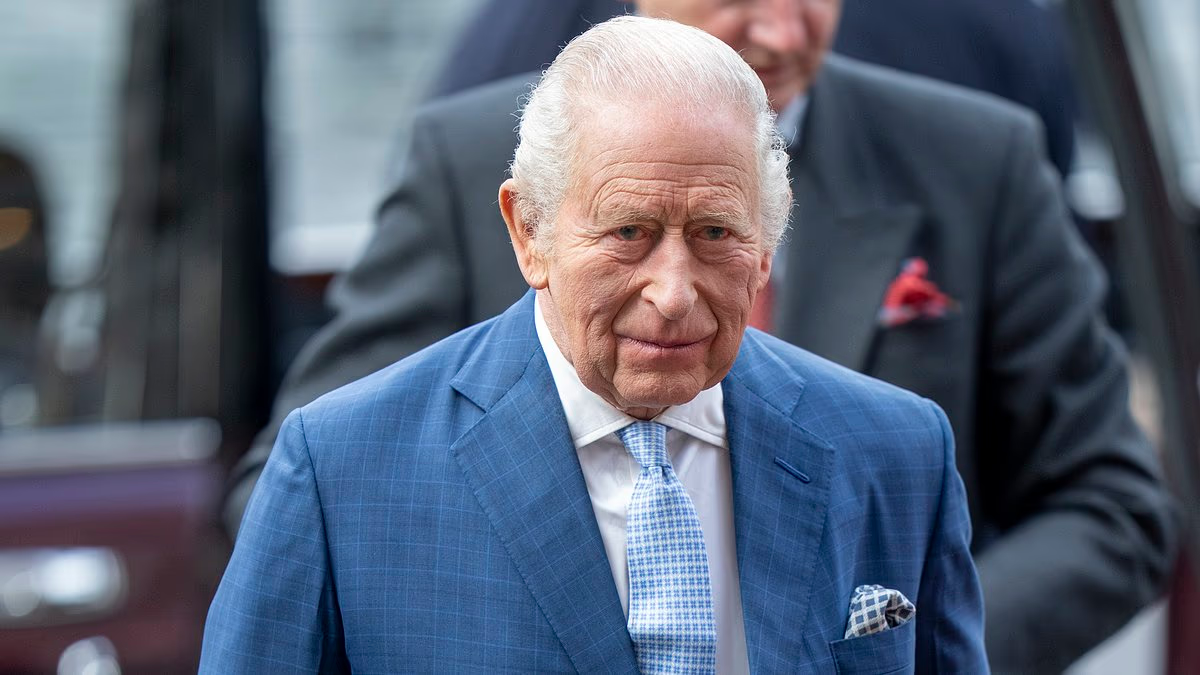

King Charles has chosen to pay the Government’s controversial new mansion tax on royal properties, even though the Crown is legally exempt from the charge.
The decision could leave the Royal Family facing annual bills of thousands of pounds on some of Britain’s best-known residences, including Buckingham Palace and Windsor Castle.
The Royal Household is understood to have notified the Treasury of the decision, describing it as part of its commitment to “transparency and accountability”.
It follows the King’s decision earlier this year to become the first monarch to publish his tax bill. The figures showed he paid £12.9million in 2024-2025, placing him among the 100 highest taxpayers in the UK.
Many of the properties that could be subject to the charge are not personally owned by the King. Instead, he holds them as head of state on behalf of future generations.
The new levy, formally called the High Value Council Tax Surcharge (HVCTS), was announced last year by Chancellor Rachel Reeves. It is designed to target owners of Britain’s most valuable homes.
The surcharge is due to take effect on April 1, 2028, and will apply to residential properties in England valued at £2million or more.
Homes worth up to £2.5million will incur an annual charge of £2,500, while the bill will rise to a maximum of £7,500 for properties valued above £5million.
The Treasury has confirmed that the Crown, like other parts of the tax system, will be exempt from HVCTS. However, after the King volunteered to pay, it remains unclear exactly which royal residences will be covered.

King Charles has volunteered to pay the controversial “mansion tax” on residential properties worth more than £2million

The King privately owns the Sandringham estate, which he inherited from his late mother. The Royal Family traditionally spends Christmas there
Buckingham Palace and Windsor Castle are held by the King as Sovereign rather than owned as his personal property.
The Palace of Holyroodhouse in Edinburgh, the King’s official residence in Scotland, will not be covered because the surcharge applies only in England. Scottish ministers are separately considering a mansion tax on properties worth more than £1million.
Other royal properties held by the Crown that could be affected include Clarence House, the King’s official London residence, as well as St James’s Palace and Kensington Palace.
The King is also expected to pay the surcharge on properties held privately by him.
Sandringham House in Norfolk, where the Royal Family traditionally celebrates Christmas, was bought by Edward VII in 1862 and has remained in private royal ownership ever since.
Balmoral Castle in Aberdeenshire is another privately owned estate inherited by the King from his late mother. It is unlikely to be affected because of its location. Hillsborough Castle, the royal residence in Northern Ireland, is also outside the scope of the tax.
Highgrove House, the King’s country residence in Gloucestershire, belongs to the Duchy of Cornwall. Any tax bill for the property would therefore need to be paid by his son, Prince William, the current Duke of Cornwall.
William and his family will not be liable for Forest Lodge, their home in Windsor Great Park, because their lease runs for only 20 years—one year short of the 21-year term required for the mansion tax to apply. The bill will instead fall to the Crown Estate.
Prince Edward, the Duke of Edinburgh, holds a 150-year lease on Bagshot Park in Windsor, which could make him responsible for the charge.
The King’s decision follows a precedent set by his late mother, Queen Elizabeth, who volunteered to pay income and capital gains tax from 1993.
When Charles’s tax bill was published earlier this year, Buckingham Palace said he had paid more than £30 million since becoming King. It said the move reflected his “commitment to transparency and accountability”.


