
A federal appeals court on Monday refused to halt the Army’s plan to detonate five tons of lead azide explosives at a munitions facility in Iowa.
President Trump has said the operation will not proceed unless Iowa’s incoming Democratic governor approves it, although the governor-elect’s consent is not technically required.
The ruling followed warnings from environmental groups that the blast could release a cloud of toxic lead particles across nearby communities. The groups also argued that the Environmental Protection Agency failed to provide adequate notice or fully evaluate the risks before authorizing the Army to proceed. The government, meanwhile, maintains that the detonation is necessary because the lead azide has deteriorated and could explode without warning.
The 8th Circuit Court of Appeals temporarily halted the detonation last week while it considered whether to issue a longer-term order. On Monday, however, the court concluded that the environmental organizations challenging the plan had not shown they were likely to prevail.
“We are mindful of the very real risks presented by the Army’s planned detonation of the stores of degraded lead azide,” the ruling said. “However, we must acknowledge the realities of the situation: the degraded explosives present a risk of an uncontrolled and unplanned explosion, which would occur without the benefit of the safety measures that the Permit puts in place.”
Mr. Trump said earlier Monday that the government would not proceed with the blast—which the Army said over the weekend was scheduled for Wednesday—until the appeals court ruled and unless Democratic Iowa Gov.-elect Rob Sand gave his approval. Trump said government specialists had determined that detonating the material was the safest option.
“If [Sand] or the Courts do not agree, we will have no choice but to not proceed with the controlled removal of these hazardous materials, and be forced to hold the incoming Governor responsible for any and all death or destruction caused by this very unfortunate, and longterm, situation,” the president said on social media.
Sand said on social media that the Trump administration “should make this decision based on the information they have from the people they brought in to do the job months ago and have been on the ground in Middletown for weeks.”
MORE STORY: NYC Driver Omatoyo Neverson ID’d in Fatal Belt Parkway Police Shooting
“Everyday Iowans are entitled to know how Middletown came to this situation, and learn why the administration believes this is the best path forward,” Sand said.
The government has argued that even if the appeals court suspended the EPA permit, the Army would still have legal authority to act in response to “the immediate threat of an uncontrolled explosion.” The Army has warned that it must address the material before cold temperatures cause the lead azide crystals to deteriorate further, increasing the chance of an accidental blast.
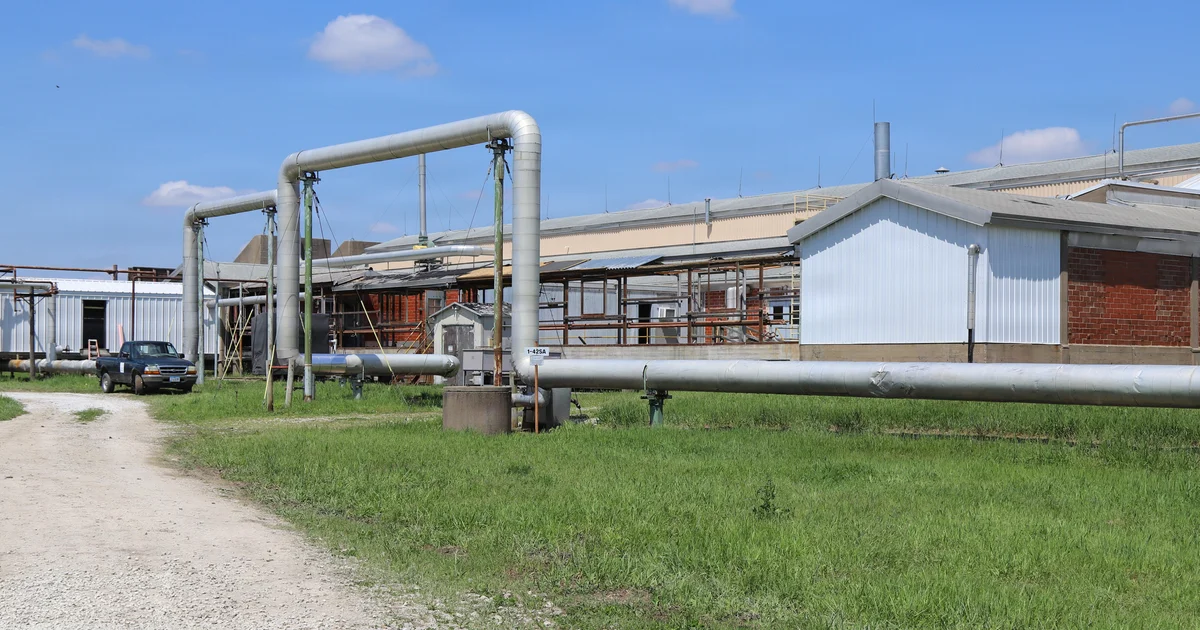
The Army has kept the lead azide for decades in containers covered by earth at its ammunition plant in Middletown, a small community near the Mississippi River in southeastern Iowa. The EPA has said officials discovered earlier this year that the material had degraded over time, creating a risk of explosion if it were moved or disturbed.
Under an earlier detonation plan scheduled for Friday, the Army asked some Middletown residents to leave their homes temporarily for six hours. Officials said residents could expect loud blasts, ground vibrations and a plume of dust.
Environmental organizations, along with Iowa and Illinois lawmakers from both parties, condemned the proposal. They warned the blast could spread lead contamination across large areas of both states and urged the EPA and Army to examine alternatives.
The Sierra Club and the Iowa Environmental Council asked the federal appeals court to review the EPA permit last week. They argued that the operation could produce “a plume of lead dust that will blanket homes and communities, possibly as far away as 100 miles or more.”
The groups contended that the EPA had not adequately analyzed the dangers or considered other disposal methods. They also said the Army was following an “extraordinarily rushed timeline” that left residents without sufficient advance notice.
On Monday, a three-judge appellate panel ruled in favor of the federal government. The judges said the EPA had “adequately incorporated safeguards” to reduce the danger, including protective barriers and environmental-monitoring plans. The court also found that the Army had evaluated multiple alternatives.


