Share this @internewscast.com

Dry eyes can be a source of discomfort, especially for children, as the dryness can make their eyes feel strained. Dry eye syndrome commonly induces a sandy, gritty sensation, particularly in the morning, which tends to intensify as the day progresses. This condition may lead to blurry vision in children, although it typically does not result in lasting vision problems.

Various factors contribute to dry eyes. Frequently, dry weather, smoke, or pollution can be irritating, while allergies or the use of contact lenses can also trigger eye discomfort. Collaborating with your ophthalmologist is advisable to explore strategies that can alleviate your child’s eye discomfort. Additionally, home remedies often prove effective in providing relief.
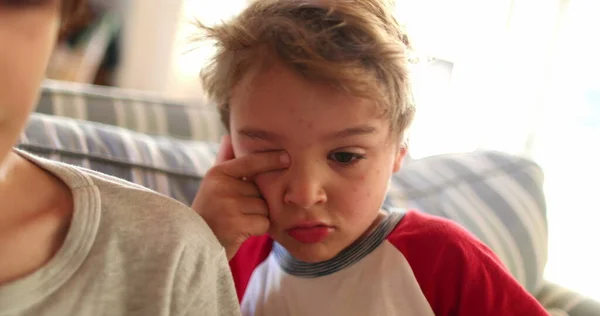
Are Your Kids Battling Dry Eyes Know Its Causes And Symptoms? | <a href="https://depositphotos.com/photos/kids-battling-dry-eyes.html?filter=all&amp;qview=140557132">Stock Photo</a>
Are Your Kids Battling Dry Eyes Know Its Causes And Symptoms? | Stock Photo

What causes dry eyes in children?

While less common than in adults, dry eyes can affect children and cause quite a bit of discomfort. Several factors can contribute to this, ranging from environmental circumstances to underlying health conditions. Here are some of the most common causes of dry eyes in children:

Environment:

  • Dry or windy air: This can evaporate tears quickly, leaving the eyes feeling dry and irritated.
  • Smoke and pollution: These can irritate the eyes and disrupt tear production.
  • Screen time: Staring at screens for extended periods can reduce blinking, leading to tear film instability and dryness.

Medical conditions:

  • Allergies: Allergic reactions can trigger itchy, red eyes and tear overproduction, both of which can disrupt the tear film’s balance.
  • Blepharitis: This inflammation of the eyelids can affect tear production and quality.
  • Conjunctivitis: This inflammation of the conjunctiva (the membrane lining the eyelids and eyeball) can also disrupt tear film and cause dryness.
  • Contact lens use: Wearing contact lenses, particularly without proper hygiene or for extended periods, can irritate the eyes and contribute to dryness.
  • Medications: Certain medications, such as antihistamines and decongestants, can have side effects that dry out the eyes.
  • Underlying health conditions: In some cases, dry eyes in children can be a symptom of an underlying health condition, such as Sjögren’s syndrome, lupus, or rheumatoid arthritis.

Other factors:

  • Nutritional deficiencies: Vitamin A deficiency can contribute to dry eyes.
  • Genetics: In some cases, children may be genetically predisposed to dry eye.

What are the various symptoms of dry eyes in kids?

If you suspect your child might have dry eyes, look for these signs:

  • Frequent eye rubbing
  • Itchy, stinging, or burning eyes
  • Tired, hot, and dry eyes
  • Eye redness
  • Feeling like there is sand or dirt inside the eyes
  • Blurred vision
  • Excessive watering of eyes (paradoxically)
  • Light sensitivity
  • Discomfort when wearing contacts

What to do if you suspect dry eyes

If you see any of these symptoms in your child, it’s important to visit an ophthalmologist (eye doctor) for diagnosis and proper treatment. Early diagnosis and management can help prevent complications and ensure your child’s comfort.

Remember, I am not a medical professional and this information should not be taken as a substitute for professional medical advice. Always consult a doctor or qualified healthcare provider for diagnosis and treatment of any medical condition.

How to treat your child’s dry eye at home
Is Your Child Battling Dry Eyes Know Its Causes And Symptoms? | Stock Photo

While it’s always important to consult a healthcare professional for proper diagnosis and treatment, there are several home remedies you can try to alleviate your child’s dry eye symptoms:

1. Warm compresses:

Apply a warm, moist washcloth to your child’s closed eyelids for 5-10 minutes, 2-4 times a day. The warmth helps loosen any clogged oils in the glands around the eyes and encourages tear production.

2. Gentle eyelid massage:

After applying the warm compress, gently massage your child’s eyelids with clean fingertips in a circular motion for a minute. This helps distribute the oils and relieve irritation.

3. Artificial tears:

Use preservative-free artificial tears to lubricate your child’s eyes throughout the day, especially after screen time or spending time in dry environments.

4. Increase humidity:

Use a cool-mist humidifier in your child’s bedroom at night or in rooms where they spend a lot of time. This adds moisture to the air and helps prevent tear evaporation.

5. Reduce screen time:

Encourage your child to take breaks from screens (computers, TVs, phones) every 20 minutes and blink frequently. Remind them to follow the 20-20-20 rule: look at something 20 feet away for 20 seconds every 20 minutes.

6. Minimize allergens:

If allergies are a trigger, identify and avoid allergens as much as possible. Keep windows closed during high pollen days, wash bedding regularly, and consider using a HEPA air filter.

7. Omega-3 fatty acids:

Encourage your child to eat foods rich in omega-3 fatty acids, such as fatty fish (salmon, tuna, mackerel), flaxseeds, chia seeds, and walnuts. These can help improve tear quality.

8. Eyelid hygiene:

Gently clean your child’s eyelids with warm water and a mild baby shampoo or eyelid wipes to remove any crusting or debris.

9. Sunglasses:

Make sure your child wears sunglasses that block UVA and UVB rays to protect their eyes from wind and sun damage.

10. Stay hydrated:

Ensure your child drinks plenty of water throughout the day to stay hydrated, which can also benefit tear production.

Important note

It’s important to remember that this list is not exhaustive, and if your child is experiencing dry eyes, it’s crucial to consult a qualified healthcare professional for diagnosis and appropriate treatment. They can identify the underlying cause and recommend the best course of action, which may include lifestyle changes, artificial tears, medication, or other interventions.



Share this @internewscast.com
You May Also Like

Staggering 2000% Surge: Adult Women See Dramatic Increase in ADHD Medication Prescriptions

Today, new data reveals a ‘significant rise’ in the number of adults…

Top Surgeon Analyzes President Macron’s Bloodshot Eye: Possible Link to Facial Trauma Revealed

A renowned surgeon has provided insight after French President Emmanuel Macron was…

Unveiling the Risks: Are Peptides the Anti-Aging and Weight Loss Solution or a Health Hazard for Women?

Peptides have become the latest sensation sweeping across social media platforms, championed…

Heartbreaking Tale: Sisters Lose Both Parents to Same Illness in Identical Hospital Bed Weeks Apart

Robert Quaife and Linda Christie were said by their daughters to be…

Guidance Released Amid Outbreak of Little-Known Highly Contagious Virus Affecting UK Children

The UK Health Security Agency has issued guidance on a prevalent viral…

Discover If You Qualify for a £187 Weekly DWP Benefit for Back Pain Relief

Residents in the UK experiencing back pain may qualify for a Department…

Urgent Alert: Plummeting Vaccine Rates Threaten Vulnerable Americans Amid Rapid Spread of Deadly ‘Super Flu

Health experts are raising concerns about a concerning decline in vaccination rates…

Revolutionary Arthritis Treatment: New Drug Unveils Cartilage Regrowth, Offering Hope to Millions

In a promising development for those dealing with knee injuries and arthritis,…

Formal Request Submitted to Wes Streeting Advocating for Essential NHS Reforms to Enhance Patient Care

Robert Fisk (left) has sent a vital letter to Wes Streeting (Image:…

Shocking Study Reveals Nearly 50% of Takeaway Meals Exceed Stated Salt Levels: Curries, Pizzas, and Pastas Top the List

A recent study has revealed that nearly half of takeaway meals contain…