Share this @internewscast.com
US ships move to clear mines in the Strait of Hormuz
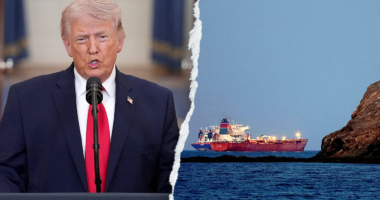
Retired U.S. Army Lieutenant Colonel Darin Gaub has spoken about President Donald Trump’s announcement regarding the deployment of U.S. naval ships to clear mines from the Strait of Hormuz. This update was covered by correspondent Alex Hogan on ‘Fox Report’ on Fox News.
The extended postponement of Ayatollah Ali Khamenei’s funeral highlights a growing crisis within Iran, as noted by a well-known Iranian strategist.
Dr. Ramesh Sepehrrad offered these insights amidst stalled negotiations between the United States and Iran, amid increasing internal tensions that raise doubts about the stability of the Iranian regime.
Iran commenced its mourning rituals for Khamenei on April 9, yet has withheld details about his burial over 40 days after his death. The state funeral, initially set for early March 2026, has been delayed.
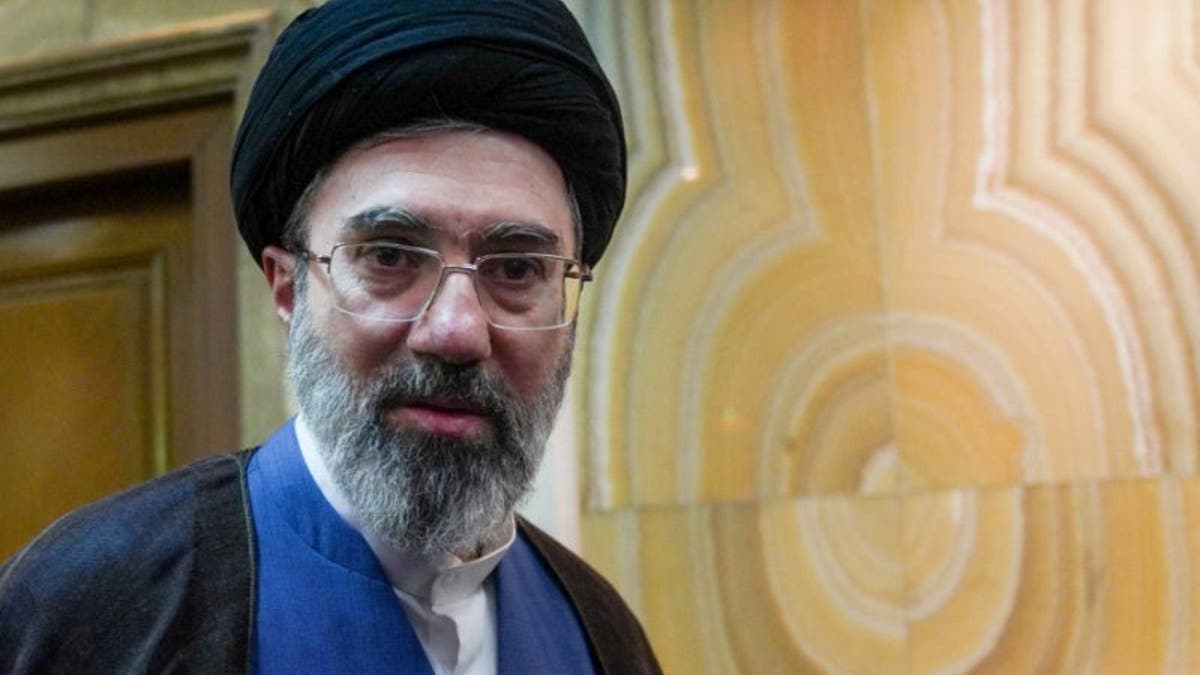
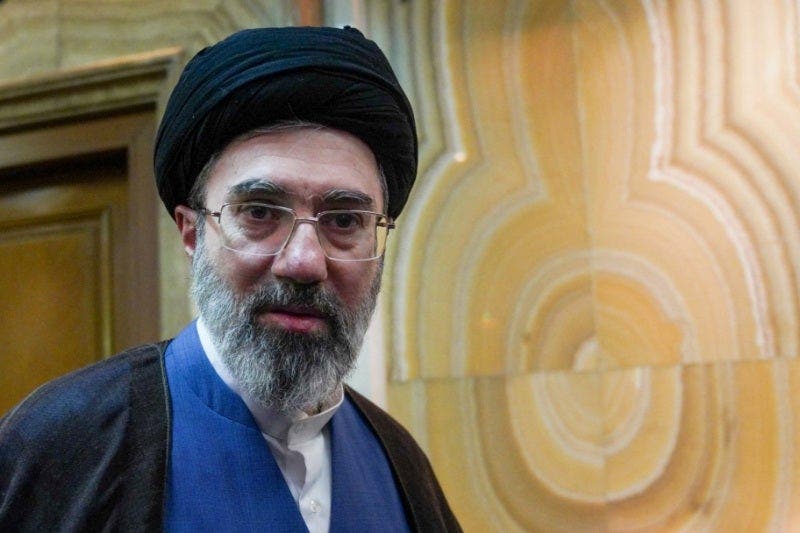
Mojtaba Khamenei, newly appointed as Iran’s supreme leader and the late Ayatollah’s second son, was pictured attending a meeting in Tehran on October 13, 2024. (Photo by Hamed Jafarnejad/ISNA/WANA/Reuters)
“It has been forty-four days, and the regime still lacks the assurance to openly bury Mojtaba’s deceased father,” Sepehrrad, representing the Organization of Iranian American Communities (OIAC), shared with Fox News Digital.
“That is an indicator of the fear within this regime from top to bottom,” Sepehrrad added, before describing how, usually, “a religious regime believes that their dead must be buried in 24 hours.”
Khamenei was killed Feb. 28 in a strike targeting a regime compound in central Tehran, with a separate strike affecting his son, Mojtaba Khamenei, 56, who succeeded him.
Mojtaba is said to be still recovering from severe facial and leg injuries, three people close to his inner circle told Reuters on April 11.
Khamenei’s face was disfigured in the attack on the supreme leader’s compound in central Tehran, and he suffered a significant injury to one or both legs, three sources told the outlet.
“The 56-year-old is nonetheless recovering from his wounds and remains mentally sharp, according to the people, who requested anonymity to discuss sensitive matters.”
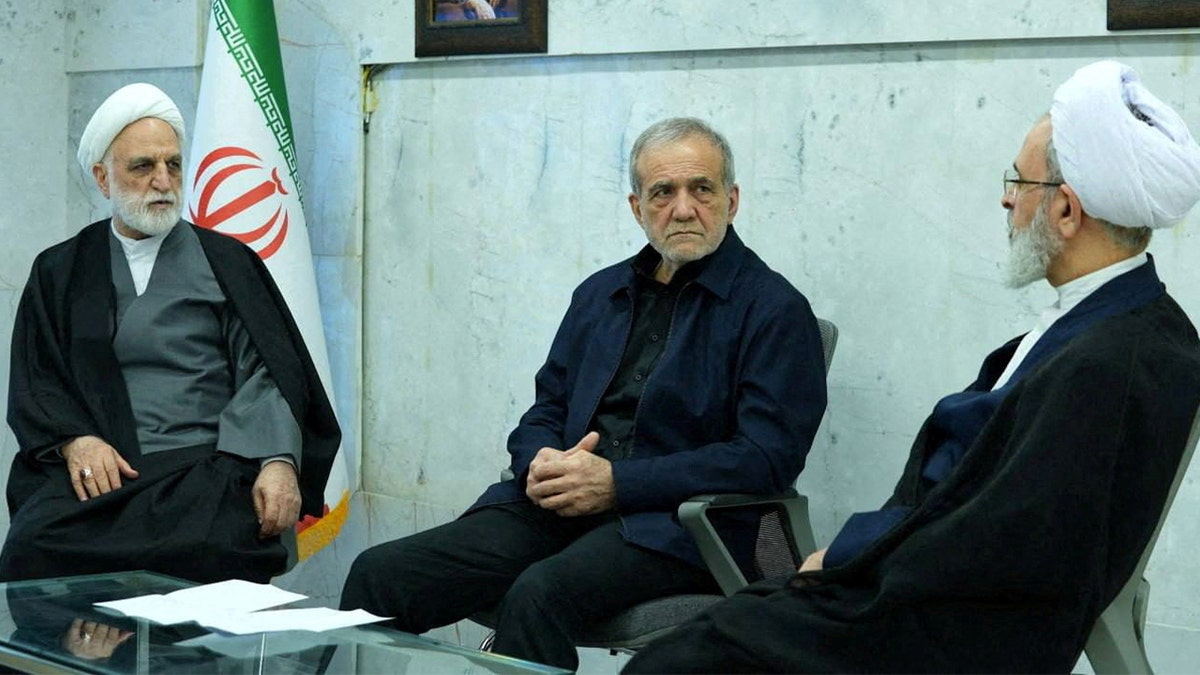
Iranian President Masoud Pezeshkian, Gholam-Hossein Mohseni-Eje’i, the head of the judiciary and Alireza Arafi, deputy chairman of the Assembly of Experts, attend the meeting of the interim leadership council of Iran in an unknown location, amid the U.S.-Israel conflict with Iran, in Iran, March 1, 2026. (IRIB/WANA/Handout/Reuters)
He is taking part in meetings with senior officials via audio conferencing and is engaged in decision-making on major issues, including the war and negotiations with Washington, two of the sources say, according to reports.
The report came as Iran navigated diplomatic efforts with the U.S. in Islamabad aimed at easing tensions amid a two-week ceasefire, which ultimately failed to produce a breakthrough.
“Mojtaba input in the broad red lines of negotiations, even if he is not the public face,” Sepehrrad claimed. “At the end of the day, for more than 10 years, he served as his father’s right-hand man and as a conduit to the IRGC.”
“Mojtaba may be less rhetorical, less publicly ideological, and more operational because his primary focus is survival of the regime.”
Iran also confirmed Sunday it had no plans for further peace talks after the marathon summit, where Pakistan mediated.
“No plan has yet been announced for the time, place, or next round of negotiations,” Iranian state news agency Nour reported Saturday, citing the country’s Supreme National Security Council, with no statement from the new Supreme Leader.
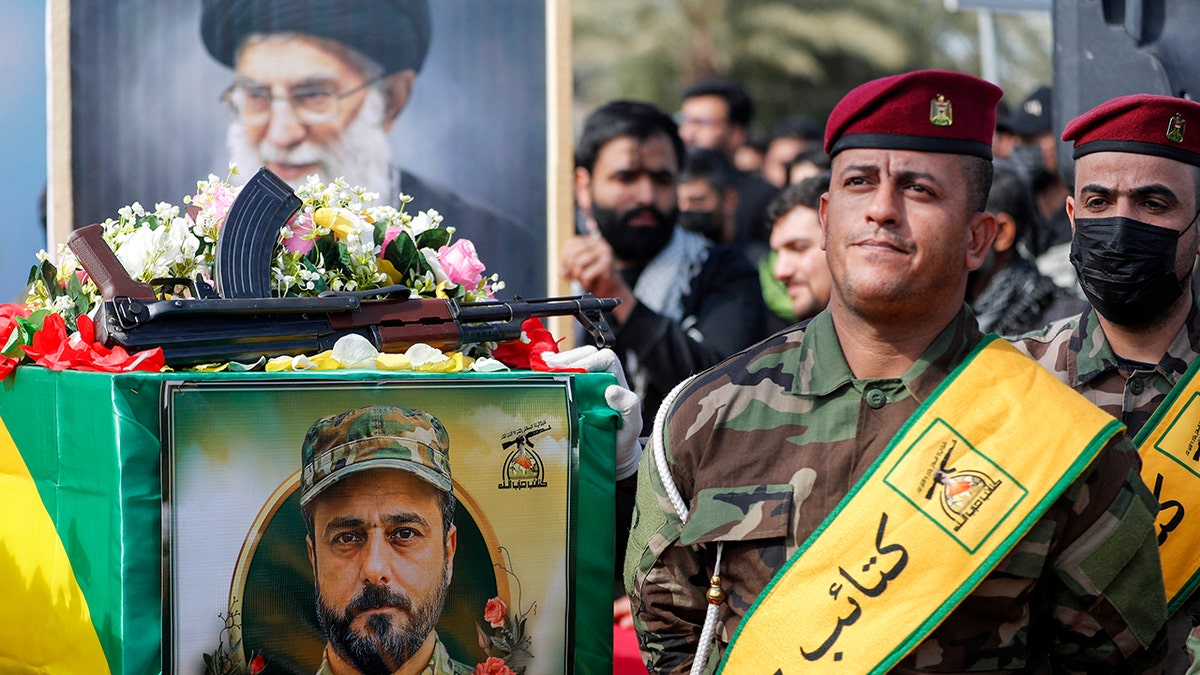
A mourner holds a portrait of Iran’s slain supreme leader Ayatollah Ali Khamenei (top-L) on March 5, 2026, during a funeral procession for members of Iraq’s pro-Iran paramilitary group Hezbollah Brigades (Kataeb Hezbollah) who were killed in a strike in Baghdad the previous day. The Tehran-backed Iraqi group Kataeb Hezbollah said on March 5 that one of its commanders was killed in a strike in southern Iraq the previous day. (Ahmed Al-Rubaye/AFP)
“Mojtaba is less the supreme leader in the traditional sense and more the coordinator of a security-led system,” Sepehrrad explained before describing him as “more like a security-backed coordinator.”
“This regime does not communicate with one unified voice. It communicates by function,” Sepehrrad said.
“One channel negotiates, another threatens, another punishes, and another tries to maintain ideological continuity. It is now a mafia,” the strategist claimed.
“The key point is not harmony but division of labor. What holds them together is regime survival, not trust.”
“What we are seeing now is deeper: a leader who lacks organic authority and therefore governs through the institution that controls force,” Sepehrrad said.
On the Iranian side, negotiations, the analyst said, also did involve “diplomats,” but a wider circle of security-linked figures shaping Tehran’s posture, reflecting the increasing dominance of hardline institutions.
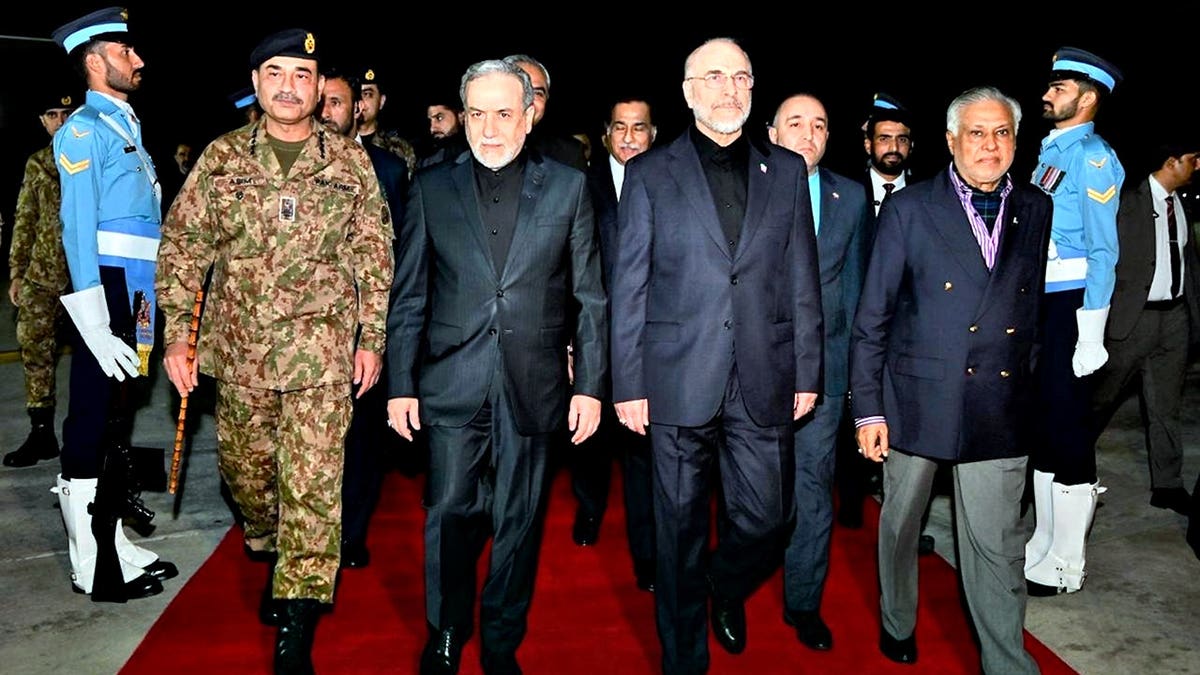
Iran’s Parliament Speaker Mohammad Bagher Qalibaf and Foreign Minister Abbas Araghchi were greeted by Pakistan Foreign Minister Ishaq Dar and Army Chief Field Marshal Gen. Asim Munir upon their arrival at Nur Khan airbase in Rawalpindi, Pakistan, on April 11, 2026. (Pakistan Ministry of Foreign Affairs/AP)
“This was a brittle coalition of security men,” Sepehrrad said, before describing how Mojtaba is “at the top, but is heavily reliant on the Guards, Parliament Speaker Mohammad Bagher Ghalibaf, SNSC chief Mohammad Bagher Zolghadr, IRGC commander Ahmad Vahidi, Judiciary chief Mohseni-Ejei, and law enforcement chief Ahmad-Reza Radan.”
“Several of the most important surviving figures are not primarily diplomats,” Sepehrrad said before suggesting that that should “change how we should read everything coming out of Tehran.”
“That is a different system from the one many Western analysts still think they are dealing with,” Sepehrrad explained. “Dual track — tactical flexibility in talks and a harsher repression at home.”
“While the regime negotiates to buy time, reduce pressure on its forces, and prevent broader external escalation, internally, it is likely to intensify arrests, executions, intimidation, and internet controls now,” the strategist warned.
“The regime fears internal unrest more than diplomacy,” Sepehrrad said.