
Share this @internewscast.com
The United States, Russia, and Ukraine have gathered in Abu Dhabi, United Arab Emirates, for pivotal discussions aimed at resolving the ongoing territorial disputes that have hindered a resolution to the nearly four-year conflict. This marks the first trilateral dialogue since 2022, offering a glimmer of hope amid the prolonged tensions.
The talks were set into motion following meetings between key leaders. Ukrainian President Volodymyr Zelenskyy recently conferred with U.S. President Donald Trump at the World Economic Forum in Davos, while Russian President Vladimir Putin engaged in discussions with U.S. Special Envoy Steve Witkoff and Trump’s son-in-law, Jared Kushner.
In a strategic move to advance negotiations, Witkoff and Kushner traveled directly from Moscow to the UAE, underscoring the urgency of these talks. Their presence in Abu Dhabi highlights the significant diplomatic efforts being made to broker peace.
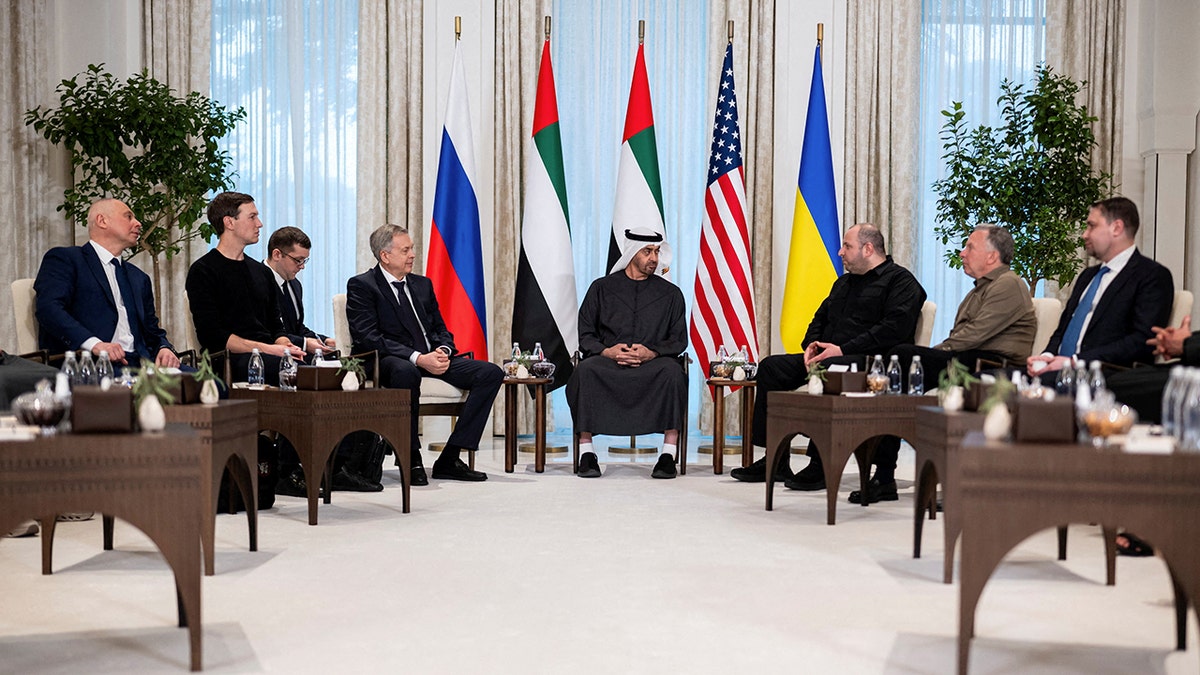
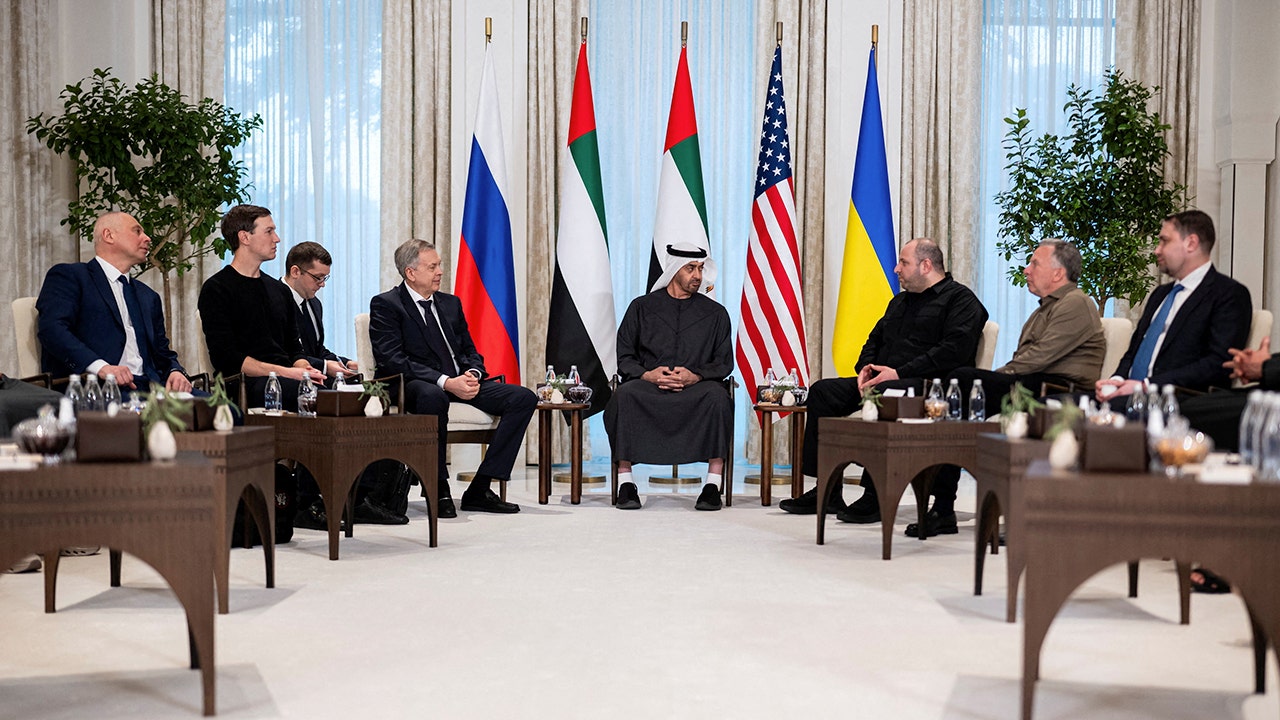
The President of the United Arab Emirates, Sheikh Mohamed bin Zayed Al Nahyan, formally welcomed the heads of the delegations participating in these critical discussions. His involvement underscores the UAE’s role as a facilitator in this high-stakes diplomatic engagement.
As the fourth anniversary of Russia’s invasion looms, both Zelenskyy and Putin face mounting pressure to forge a peace agreement. President Trump is keen to see an end to the conflict, further intensifying the diplomatic push.
At the heart of the talks lies Russia’s insistence that Ukraine relinquish the Donbas region. However, Zelenskyy has remained resolute in his refusal to cede territory, although his willingness to engage in discussions in Abu Dhabi may indicate a shift towards potential negotiation. According to Reuters, Putin is specifically demanding that Ukraine surrender its control over 20% of the Donetsk region within the Donbas, a demand that continues to be a significant point of contention.
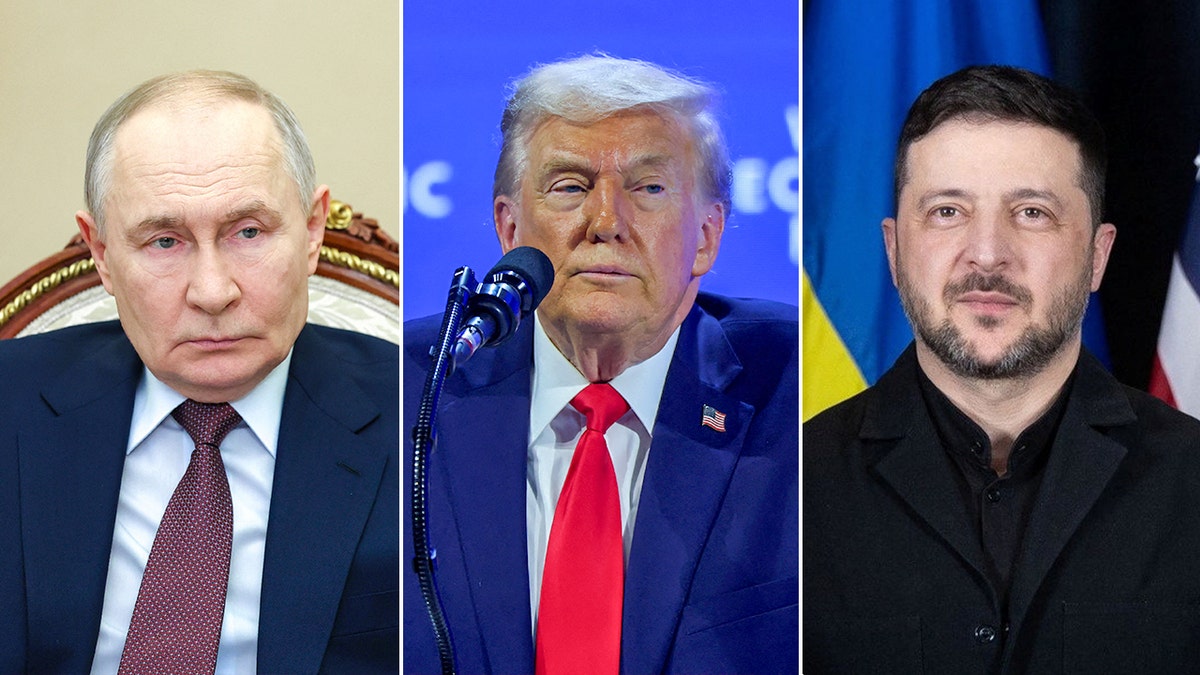
The U.S., Ukraine and Russia are holding the first trilateral meeting in years. (Sputnik/Vyacheslav Prokofyev/Pool via Reuters; Denis Balibouse/Reuters; Ukrainian Presidential Press Service/Handout via Reuters)
“The question of Donbas is key. It will be discussed how the three sides… see this in Abu Dhabi today and tomorrow,” Zelenskyy told reporters via WhatsApp, according to Reuters. The outlet added that an aide for Zelenskyy said the talks are expected to continue Saturday.
The envoys are meeting as Ukrainians face below-freezing temperatures after Russian strikes damaged the country’s power supply.
Maxim Timchenko, the head of Ukraine’s top private power producer, told Reuters that the situation was nearing a “humanitarian catastrophe.”
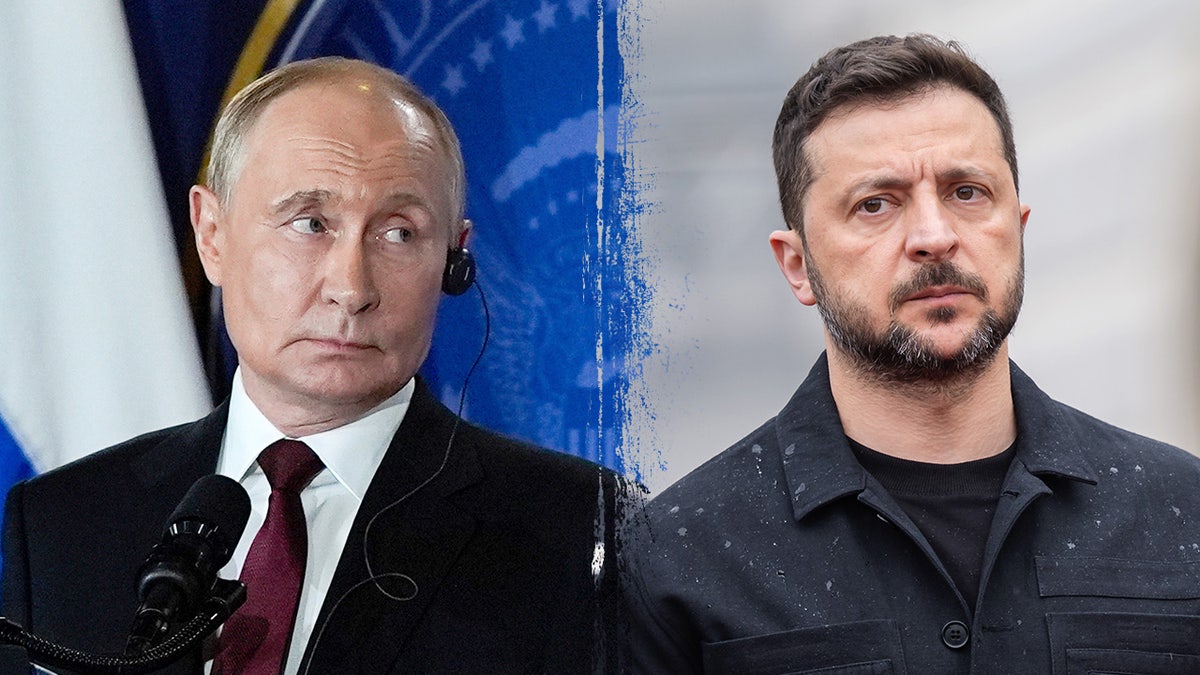
Russian President Vladimir Putin and Ukrainian President Volodymyr Zelenskyy have both met separately with President Donald Trump. Despite a peace deal agreement being close, territorial disputes remain, Zelenskyy said. (Julia Demaree Nikhinson/AP; Christian Bruna/Getty)
While speaking with reporters on Air Force One, Trump was asked if the trilateral meeting could lead to one with himself, Putin and Zelenskyy. He would not commit but said that “any time we meet, it’s good.” He also expressed doubts about whether Putin wanted to take over all of Ukraine.
“What’s happened here is there were times when Putin didn’t want to make a deal, times when Zelenskyy didn’t want to make a deal, and it was opposite times. Now, I think they both want to make a deal. We’ll find out,” Trump said.
The president also acknowledged that the topics of the discussions that were happening had been debated for months.