
Share this @internewscast.com
Some common reasons people shy away from investing include fears of financial loss, a dislike for risking their money, insufficient funds, and the perception that it’s too complex to grasp.
Over time, I’ve heard numerous individuals express these concerns about why they hesitate to venture into investments.
While I believe that the decision to save or invest should rest entirely with you, I’m a firm believer that investing is a key strategy for those looking to grow their financial wealth.
Numerous studies demonstrate that investing is one of the most effective methods to secure returns that outpace inflation in the long run. For further details, you might want to check out my guide on the importance of investing.
Indeed, investing entails the possibility of both losses and gains. However, many people willingly make purchases that inevitably lead to financial loss.
Whether buying a new or used vehicle, a £600 smartphone, or even a Christmas tree, these expenditures are certain to diminish your finances.

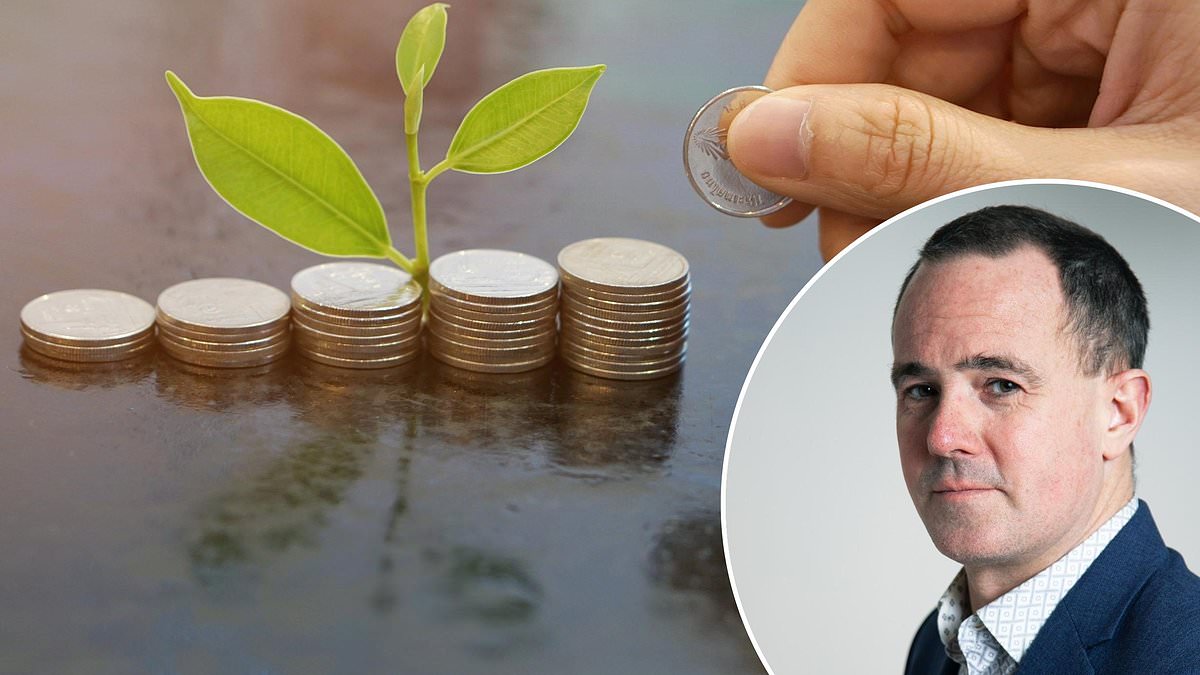
Financial freedom: Investing is the best way to generate inflation-beating returns over the long term
Meanwhile, investing isn’t like gambling because it’s not a bet where you lose all your money if it doesn’t go your way.
If you spread your risk with a broad stock market fund, you will find that even in major stock market crashes, maximum top to bottom losses total around 30 to 40 per cent.
And even if you get caught out buying at the absolute top, you will only make that loss if you sell out at the bottom.
Hold your nerve and wait for markets to rebound and you are likely to find your paper losses trimmed substantially – and if you are patient enough, they may one day turn into gains.
The Covid crash was the greatest example of this. It was an overused word at the time but the pandemic and the lockdowns were genuinely unprecedented and that sent share prices tumbling.
Yet, the US stock market, which makes up 60 per cent of the global market, nosedived 32 per cent in just over a month from mid February 2020 but had then regained all its losses by September that year.
One way to minimise the potential pain of a market crash acts as an argument against the ‘I don’t have a big enough sum yet’ reason for not investing.
Broadly speaking, you should not invest until you have any debts other than your mortgage paid off and a healthy emergency fund built up in readily available cash.
But once you have done that, it can be a mistake to then try to build up a large lump sum to invest.
Wait until then and stick it all in at once and you are at risk of the market suddenly dropping and hitting your entire pot. Whereas, starting small and drip-feeding money in can put you at less risk of suffering a big financial shock from a downturn.
Regular investing in this way also commits you to putting your money to work and means that you are buying even when the market is down, and thus taking advantage when share prices are cheaper. It’s something known as pound cost averaging, explained here.
There is also no need for investing to be complicated.
In fact, nowadays it can be phenomenally simple and cheap.
Investment platforms offer ready-made investments that will spread your money around the world, adjusted for your willingness to take risk.
Meanwhile, there are funds like Vanguard’s Life Strategy and BlackRock’s My Map range that offer the opportunity to do this in one place.
Read our guide to investing for beginners to learn more and have a look at some of the investment platforms and what they offer. And read our 50 best funds guide, where experts reveal their favoured reliable and robust investments.
Also read our guide to the best stocks and shares Isas to understand why investing in a tax-free wrapper is important.
Investing also doesn’t need to be an all or nothing affair. You aren’t either a saver or an investor, you can be both.
If you don’t invest but can afford to and are thinking I will give it a try, here’s my tip for 2026: just put a bit of your money into investments.
For every £100 you put aside, maybe save £80 in cash and invest £20 in a simple stock market fund.
See how it goes and if you like it, you can dial things up a bit more.
To get rich by saving in cash you need to do almost all the work, invest and you can get the stock market to do most of it for you.
DIY INVESTING PLATFORMS
AJ Bell

AJ Bell
Easy investing and ready-made portfolios
Hargreaves Lansdown

Hargreaves Lansdown
Free fund dealing and investment ideas
interactive investor

interactive investor
Flat-fee investing from £4.99 per month
Freetrade

Freetrade
Investing Isa now free on basic plan
Trading 212

Trading 212
Free share dealing and no account fee
Affiliate links: If you take out a product This is Money may earn a commission. These deals are chosen by our editorial team, as we think they are worth highlighting. This does not affect our editorial independence.
Compare the best investing account for you