Share this @internewscast.com

Though it might sound like a throwback to a bygone era, mail theft has become a lucrative criminal enterprise. According to financial-crime experts at the Treasury Department’s Financial Crimes Enforcement Network (FINCEN), check fraud resulted in approximately $21 billion in losses during 2023, with a significant chunk of these losses stemming from stolen mail. Alarmingly, this estimate could be much higher, as about 90% of mail theft incidents go unreported.
The early 2020s saw a sharp rise in mail theft from various mail receptacles. Data from the Postal Inspection Service and the Department of Treasury highlight a 139% increase in reports of mail theft from mailboxes between Fiscal Year 2019 and Fiscal Year 2023. This crime wave involves theft from residential mailboxes, USPS collection boxes, and even burglaries of postal facilities. USPS employees have also been targeted through robberies or have been involved through bribery and collusion. The surge in mail theft and related financial crimes is largely attributed to organized crime rings, which view mail theft and check fraud as low-risk yet highly profitable ventures.
Many individuals inadvertently make themselves targets for mail theft. A common mistake is leaving outgoing mail with checks in personal mailboxes with the flag raised—a signal not only for postal carriers but also for thieves on the lookout for easy pickings.
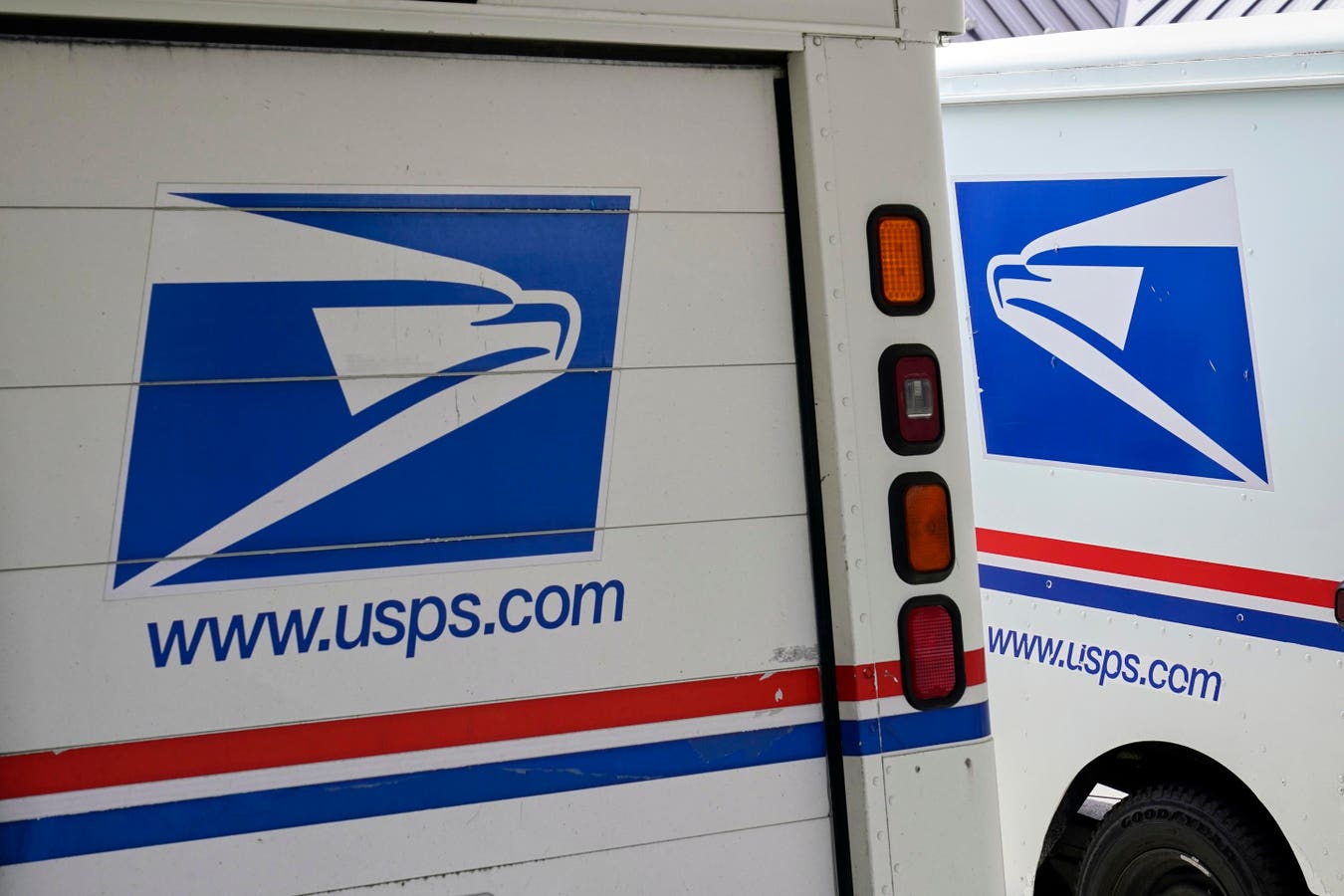
In a recent example of this rampant issue, Jeffrey Bennet, Awquil Hubbard, and Tashon Ragan faced charges in New Jersey for conspiracy to commit bank fraud. Court documents revealed that from December 2024 to December 2025, they engaged in stealing checks from the mail, altering them, and then depositing the fraudulent checks into various bank accounts in New Jersey. Their method involved breaking into postal vehicles by smashing windows or simply opening unlocked doors to pilfer trays of mail.
So how is check fraud executed? It typically begins when a check is sent through the mail, only to be intercepted mid-transit. The thief then engages in “check washing,” a technique that involves erasing the payee’s name, often using bleach. The amount on the check can also be altered. With these changes made, the criminal cashes the fraudulent check, effectively siphoning money from the unsuspecting victim.
HOW CHECK FRAUD IS ACCOMPLISHED
Typically, check fraud begins when someone mails an envelope with a check and then somewhere in transit the check is stolen and washed. Check washing is a process by which someone steals a check you have already written and “washes” or removes the name of the payee, often using simple bleach. Often they change the amount of the check as well. The criminal then cashes the altered check and steals the money.
While businesses can protect themselves from check washing quite readily by using high technology checks such as those containing three-dimensional reflective metallic holograms or checks treated with chemicals that will make the world “void” appear if the check is attempted to be altered, these are costly alternatives for individuals.
Fortunately, this is an easy crime to avoid. The best course of action is to pay your bills electronically and avoid the problem altogether. However, if you cannot do so or prefer to send a paper check by mail, you should use a gel pen that is not easily “washed” to write your checks. Unfortunately, more sophisticated criminals will scan your check into their computers and use readily available software to keep the signature from the original check, but delete the amount and the name of the payee on the check thereby allowing them to make perfect counterfeit checks which they can make payable to themselves for any amount they choose thereby defeating the gel pen as a defense so electronic banking is still your best bet.
According to the FBI, Suspicious Activity Reports related to check fraud nearly doubled between 2021 and 2023. Scammers take advantage of regulations requiring banks to make check funds available within specified time frames which are often too short for banks to identify and stop payments of fraudulent checks to criminals. By the time the fraud is detected, the fraudulent checks have already been cashed.
According to Nasdaq Verafin, a financial crime management software company, check fraud losses in the United States exceeded $20 billion last year. Many of these losses can be attributed to banks using fragmented and outdated detection methods. Fortunately, companies such as Nasdaq Verafin provide sophisticated services to detect and defend against check fraud. Colin Parsons, Head of Fraud Product Strategy at Nasdaq Verafin describes their innovative approach as machine learning models trained on billions of data points which “allows us to detect suspicious activity with precision and accuracy – right at the point of deposit, and during the in-clearing phase. These models adapt as fraud evolves, which is critical, and scrutinize checks at a level far beyond human capabilities For in-clearing checks this means considering counterparty insights and behavioral and image analysis for superior detection and prevention.”
So while check fraud continues to be a problem, you can avoid the problem with some simple steps and banks can implement modern technology to make check fraud higher risk and lower reward for criminals.