
Share this @internewscast.com
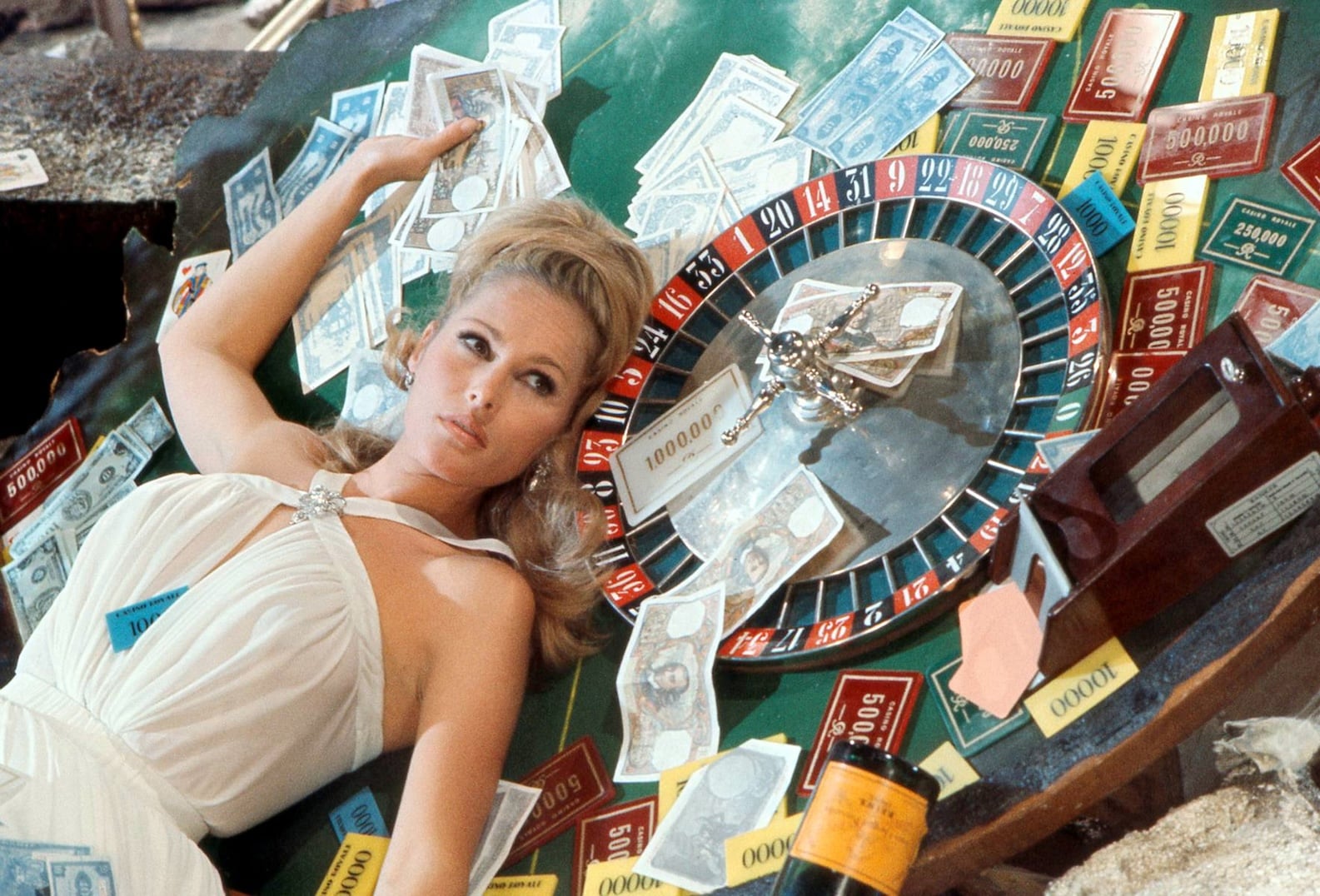
In 1962, Ursula Andress captivated audiences worldwide as Honey Ryder, stepping out of the Caribbean waves in a white bikini in “Dr. No,” and instantly becoming a cinematic legend. Fast forward over 60 years, and the now 90-year-old actress finds herself embroiled in a vastly different narrative—one involving claims of financial deceit, vanished millions, and an extensive Tuscan real estate empire.
This week, Italian officials announced the seizure of assets valued at approximately €20 million (around $23 million), linked to funds purportedly siphoned from Andress. The seized properties include luxurious villas, sprawling vineyards, olive groves, valuable artworks, and numerous financial holdings, all located amidst the picturesque landscapes near Florence.
Investigators revealed that these assets weren’t supposed to exist at all.
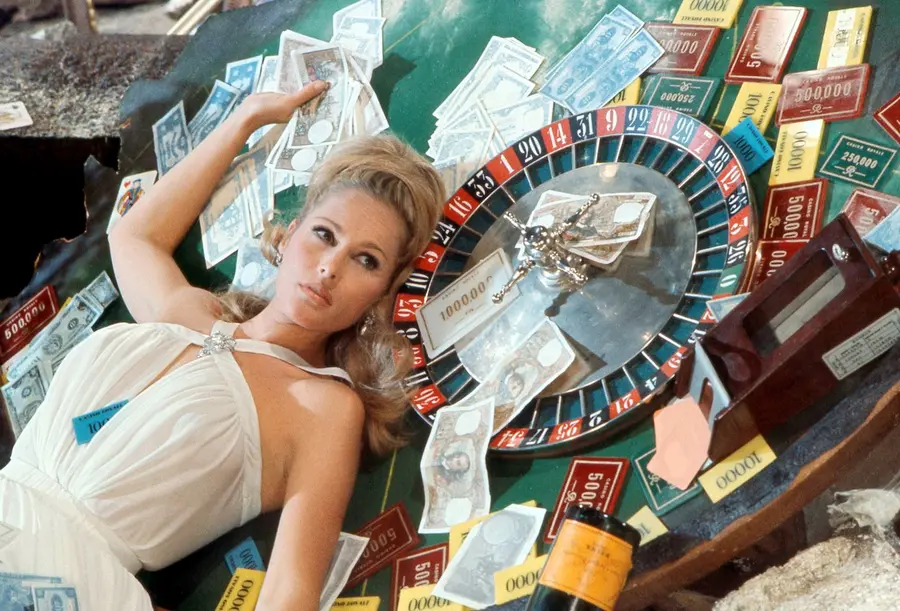
(Photo by Donaldson Collection/Getty Images)
A Quiet Fortune, Slowly Drained
The saga began with a complaint filed by Andress in Switzerland, where she reported that her fortune had been gradually drained over a span of about eight years. Prosecutors now contend that roughly 18 million Swiss francs were embezzled through a labyrinth of convoluted financial maneuvers.
Central to the alleged scheme was a trusted financial advisor, tasked with overseeing her finances. Andress described the relationship as one carefully and methodically orchestrated.
In a heartfelt statement to a Swiss publication, Andress said, “I was deliberately chosen as a victim. For eight years, I was courted and wooed. They lied to me shamelessly and exploited my goodwill in a perfidious, indeed criminal, way in order to take everything from me.“
She also suggested that her age made her particularly vulnerable to the alleged scheme.
Complicating matters further, reports indicate that the adviser suspected of orchestrating the fraud has since died, leaving investigators to reconstruct the flow of money without a central figure to prosecute.
From Swiss Accounts To Tuscan Estates
Authorities say the stolen funds were not simply withdrawn and spent. Instead, they were routed through foreign companies and layered transactions designed to obscure their origin before being funneled into tangible assets.
That paper trail ultimately led investigators to the Tuscan countryside.
Specifically, authorities identified:
- 11 real estate properties
- 14 plots of land used as vineyards and olive groves
- A collection of artworks
- Various financial assets
All of it has now been seized under court order, with Italian authorities aiming to recover what they describe as the illicit profits tied to the alleged fraud.
The properties are located in and around Florence, in areas known for high-end agricultural estates and luxury villas that can command millions individually.
No Arrests, But A Clear Paper Trail
As of now, authorities have not announced any arrests in connection with the case. That may not change, especially given the reported death of the primary adviser involved.
Still, investigators appear confident in the financial trail.
Italian financial police said the assets were directly linked to the misappropriated funds, and a judge in Florence approved the full seizure amount, effectively freezing the properties and holdings tied to the alleged scheme.
In cases like this, the legal focus often shifts from criminal prosecution to asset recovery, especially when key individuals are no longer alive.
A Cautionary Tale
For Andress, whose career included films like “Fun in Acapulco,” “The Blue Max,” and “Clash of the Titans,” the situation represents a deeply personal and financial betrayal.
Her story also highlights a broader risk that has become increasingly common: wealthy individuals, particularly later in life, becoming targets for sophisticated financial exploitation carried out by people they trust.
Unlike flashy Ponzi schemes or headline-grabbing fraud cases, situations like this tend to unfold quietly over many years, hidden behind layers of legitimate-looking transactions and professional relationships.
In this case, the alleged fraud did not fund yachts or private jets. It funded vineyards, olive groves, and a picturesque slice of Tuscany.
And for now, at least, all of it sits frozen while courts determine what can ultimately be returned.
(function() {
var _fbq = window._fbq || (window._fbq = []);
if (!_fbq.loaded) {
var fbds = document.createElement(‘script’);
fbds.async = true;
fbds.src=”
var s = document.getElementsByTagName(‘script’)[0];
s.parentNode.insertBefore(fbds, s);
_fbq.loaded = true;
}
_fbq.push([‘addPixelId’, ‘1471602713096627’]);
})();
window._fbq = window._fbq || [];
window._fbq.push([‘track’, ‘PixelInitialized’, {}]);