
Share this @internewscast.com
What was D’wayne Wiggins’ net worth?
D’Wayne Wiggins, an American singer, guitarist, songwriter, and producer, left an indelible mark on the music industry. At the time of his passing, his net worth was estimated at $700,000. He was celebrated primarily for his role as a founding member of “Tony! Toni! Toné!”, the R&B trio that played a pivotal role in defining the New Jack Swing era during the late 1980s and early 1990s. As both a guitarist and one of the leading voices of the group, Wiggins helped craft hits that seamlessly merged classic soul, funk, and contemporary R&B with hip-hop elements. The group achieved notable success with several platinum-selling albums, boasting chart-toppers like “Feels Good,” “Little Walter,” “Anniversary,” and “If I Had No Loot.”
Early Life
Beyond his performance career, Wiggins was a significant behind-the-scenes influence in the music industry. Through Grass Roots Entertainment and his Oakland recording studio, House of Music, he became a mentor and developer of new talent. His guidance was instrumental in the careers of prominent artists such as Destiny’s Child, Keyshia Cole, and India.Arie. For decades, Wiggins remained a respected and influential figure in the Bay Area music scene, known for his dedication to nurturing young artists.
Born on February 14, 1961, in Oakland, California, D’Wayne Patrice Wiggins was immersed in a music-rich environment from a young age. His father, a blues guitarist, regularly performed in local clubs, igniting Wiggins’ passion for music. The Oakland of the 1960s and 1970s, known for its vibrant cultural and political activity, deeply influenced Wiggins. He grew up near DeFremery Park, a hub for musicians and political activism, including rallies by the Black Panthers. This dynamic environment, combining blues, funk, soul, and the emerging hip-hop scene, shaped Wiggins’ musical style.
Wiggins picked up the guitar at an early age, developing a love for songwriting and performing. During his teenage years, he played in school bands with his half-brother, Charles Ray Wiggins, later known as Raphael Saadiq, and their cousin Timothy Christian Riley. Their talent was evident, and the high school band earned opportunities to perform internationally, including trips to Europe and Hawaii. After graduating, each member pursued professional music careers.
By the mid-1980s, Wiggins, Saadiq, and Riley reconvened in Oakland after various performance experiences. Wiggins had toured with gospel singer Tramaine Hawkins, while Saadiq and Riley gained experience with pop singer Sheena Easton and participated in a world tour with Prince. This reunion in Oakland set the stage for the formation of “Tony! Toni! Toné!” and their subsequent success in the music industry.
Formation of “Tony! Toni! Toné!”
In the mid-1980s, Wiggins, Saadiq, and Riley reunited in Oakland after spending time touring and performing with other artists. Wiggins had toured with gospel singer Tramaine Hawkins, while Saadiq and Riley had performed with pop singer Sheena Easton and joined a Prince world tour.
Recognizing their musical chemistry and shared influences, the trio decided to form their own band in 1986. They named the group “Tony! Toni! Toné!” as a playful reference to a mutual friend.
The band quickly gained a following performing around the San Francisco Bay Area before signing a record deal and releasing their debut album, “Who?”, in 1988.
Rise of “Tony! Toni! Toné!”
“Who?” became an immediate success. The album’s lead single, “Little Walter,” reached No. 1 on the Billboard R&B chart, and several additional singles from the record landed in the Top 10. The album eventually achieved gold certification.
The group continued to build momentum with their 1990 album “The Revival.” The record produced their biggest crossover hit, “Feels Good,” which topped the R&B chart and reached the Top 10 on the Billboard Hot 100.
While critics often labeled the group as traditional because of their use of live instrumentation such as guitars and keyboards, the trio actively embraced contemporary influences. Their music blended classic soul and blues with hip-hop rhythms and danceable pop elements, helping define the New Jack Swing sound of the era.
Their 1993 album “Sons of Soul” became the group’s biggest commercial success, reaching double-platinum status. The album produced several major hits, including “Anniversary” and “If I Had No Loot.”
The group’s fourth album, “House of Music,” was released in 1996 and went platinum. The album is often considered by critics and fans to be one of their most artistically accomplished works.
Shortly after the album’s release, the group disbanded as Raphael Saadiq pursued a successful solo career and production work.
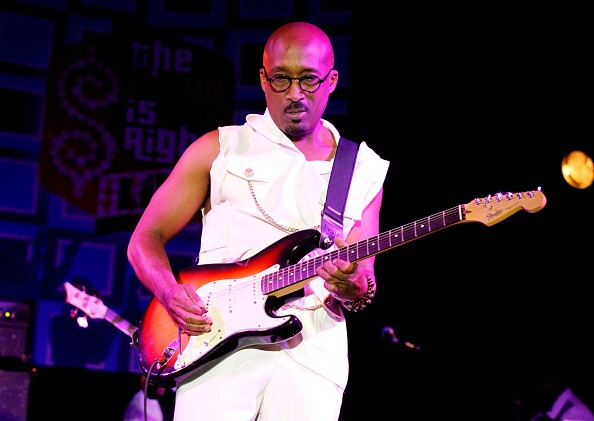
Terry Wyatt/Getty Images
Producing and Mentoring New Artists
In 1995, Wiggins founded Grass Roots Entertainment, a company focused on artist development and music production.
Around the same time, he opened a recording studio in his Oakland home called House of Music. The studio quickly became a creative hub for emerging artists.
Several musicians who would later achieve major success spent time recording or developing their sound there. Destiny’s Child, Keyshia Cole, and India.Arie all recorded early material at the studio and later credited Wiggins as an important mentor during their early careers.
Wiggins became known within the industry not only for his musical talent but also for his willingness to invest time and energy into developing younger artists.
Later Career and Reunions
Although Tony! Toni! Toné! disbanded in the late 1990s, the group reunited periodically over the years for performances and tours.
A version of the group toured in 1998 without Raphael Saadiq, while Wiggins and Riley continued performing the band’s catalog with other musicians filling in.
In 2019, the original trio reunited for a special one-time concert, and in 2023 the three founding members reunited again for a short tour that celebrated the group’s legacy and influence on R&B music.
These reunion appearances introduced their music to a new generation of fans while reminding longtime listeners of the group’s lasting impact on the genre.
Death
D’Wayne Wiggins died on March 7, 2025, at his home in Oakland, California. He was 64 years old. His family announced that the cause of death was bladder cancer.
His death prompted tributes from musicians and fans who recognized his role in shaping modern R&B and mentoring younger artists.
Estate Dispute
Nearly a year after Wiggins’ death, a legal dispute emerged over control of his estate.
Court filings revealed that Wiggins left behind an estate valued at approximately $700,000. His daughter Ilahn Wiggins filed documents stating that Wiggins had three children and had married a new wife, Dori Wiggins, only months before his death.
According to the filing, Wiggins’ niece, Veleta Savannah, was listed on the singer’s death certificate and claimed to be the trustee of his estate. Ilahn alleged that Savannah prevented Wiggins’ children from entering his home after his death and used a power-of-attorney document to withdraw funds from his bank account.
Wiggins’ children argued that any changes to his will may have occurred while he was receiving end-of-life care and taking heavy medication that could have affected his mental state.
Savannah disputed those claims and maintained that Wiggins was fully aware of his decisions and had intentionally altered his will. The dispute is scheduled to be resolved in court.
All net worths are calculated using data drawn from public sources. When provided, we also incorporate private tips and feedback received from the celebrities or their representatives. While we work diligently to ensure that our numbers are as accurate as possible, unless otherwise indicated they are only estimates. We welcome all corrections and feedback using the button below.
(function() {
var _fbq = window._fbq || (window._fbq = []);
if (!_fbq.loaded) {
var fbds = document.createElement(‘script’);
fbds.async = true;
fbds.src=”
var s = document.getElementsByTagName(‘script’)[0];
s.parentNode.insertBefore(fbds, s);
_fbq.loaded = true;
}
_fbq.push([‘addPixelId’, ‘1471602713096627’]);
})();
window._fbq = window._fbq || [];
window._fbq.push([‘track’, ‘PixelInitialized’, {}]);