Share this @internewscast.com
Country Joe McDonald, a pivotal figure in 1960s American rock and counterculture, passed away on March 7, 2026, at the age of 84. As the co-founder and lead singer of the iconic psychedelic band Country Joe and the Fish, McDonald’s legacy is indelibly linked to the era of Woodstock and the fervent anti-Vietnam War movement that defined a generation.
Despite its relatively short-lived existence, Country Joe and the Fish left an indelible mark on the music scene with their potent blend of politically charged lyrics and innovative sounds, a legacy that continues to echo through the corridors of music history.

Who Were Country Joe and the Fish? Band Origins and Rise in the 1960s
Emerging from Berkeley, California’s vibrant folk scene in 1965, Country Joe and the Fish was the brainchild of singer-songwriter Joe McDonald and guitarist Barry Melton. Their name combined McDonald’s nickname, a cheeky reference to Joseph Stalin, with a quote from Mao Tse-Tung about revolutionaries being “fish who swim in the sea of the people,” capturing the band’s revolutionary spirit.
They quickly established themselves as pioneers of the San Francisco psychedelic rock scene, performing alongside legendary acts like Jefferson Airplane and the Grateful Dead at iconic venues such as the Fillmore Auditorium. Their debut album, Electric Music for the Mind and Body, released in 1967, became a cornerstone of the genre, cementing their status as trailblazers of the counterculture movement.
Why Did Country Joe and the Fish Break Up in 1970? Key Reasons Explained
The dissolution of the band was a gradual process, driven by internal disagreements and diverging artistic visions. By the time they famously took the Woodstock stage in 1969, McDonald and Melton were the only remaining members of the original lineup. McDonald’s growing dissatisfaction with the band’s musical path rekindled his desire to return to his folk roots and pursue solo endeavors.
Although they released a final album, CJ Fish, in 1970 with a revamped lineup, the album’s shift towards a more commercial pop rock sound marked a departure from their earlier psychedelic style. By then, the group had largely disbanded, and McDonald had embarked on a solo career, continuing to influence and inspire with his music.
Country Joe McDonald’s Iconic Woodstock Performance and Anti-War Legacy
Although he was slated to perform with the entire band, it was McDonald’s spontaneous solo set at Woodstock that solidified his legacy.
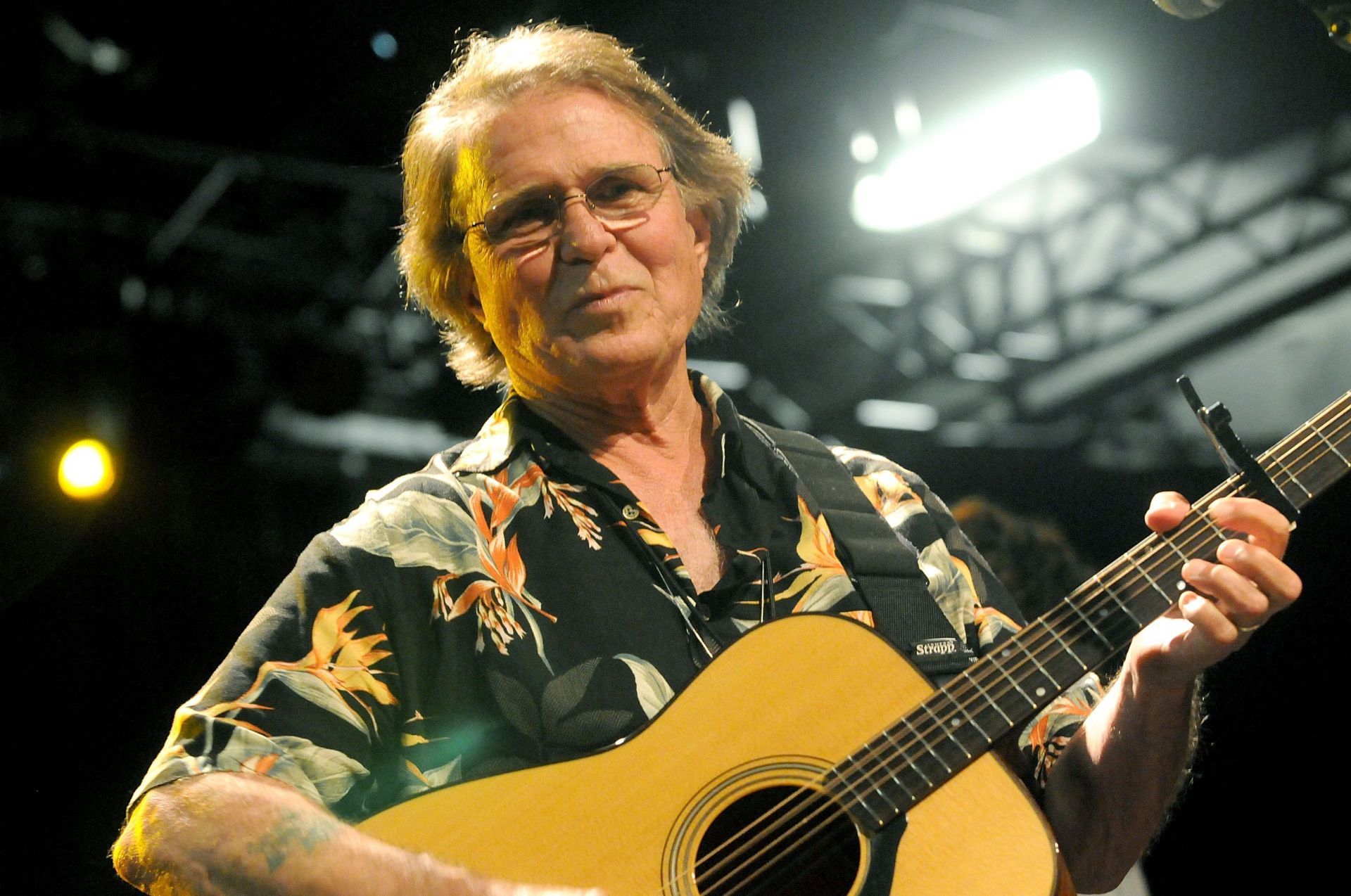
Requested to fill time as another stage was prepared, he stepped on stage and directed the large audience in what became known as the “Fish Cheer,” famously spelling out a particular expletive before beginning his anti-war satire, “I Feel Like I’m Fixin’ to Die Rag.”
The performance, featuring its sharp lyrics (“One, two, three, what are we fighting for?”), became an anthem for the Vietnam War protest movement and was immortalized in the Woodstock documentary. This single moment transformed him from a well-respected bandleader into a generational advocate for peace.
Country Joe McDonald Passes Away at 84: Details on His Death and Cause
On March 7, 2026, Country Joe McDonald passed away peacefully at his home in Berkeley, California, with his family by his side. His wife, Kathy McDonald, confirmed that the cause of death was complications arising from Parkinson’s disease, which he had been combating.
The news, initially reported by various media outlets including the New York Times, prompted an outpouring of tributes from fans and fellow musicians who acknowledged his significant influence on music and activism. He is survived by his wife of 43 years, five children, and a musical legacy that continues to inspire.
What Happened After the Split? Country Joe McDonald’s Solo Career and Reunions
After the band’s disbandment, McDonald embarked on a prolific solo career, releasing his debut album, Thinking of Woody Guthrie, just months after Woodstock. He remained musically active and politically engaged for many years, releasing over 30 albums, composing for films, and even landing on President Richard Nixon’s notorious “enemies list” due to his anti-war efforts with the F.T.A. Show.
While he had a successful solo career, he also occasionally reunited with various members of the Fish. Notable reunions included a 1977 album and tours in 2004 with three original members, demonstrating that the bond and the message were ageless.