
Share this @internewscast.com
CHICAGO (WLS) — While the snowstorm has departed from the Chicago area, the city is still grappling with frigid temperatures. These icy conditions have led to some school closures as the week begins.
A Cold Weather Advisory is currently in place, with wind chills plunging temperatures to a biting -25 degrees. This advisory will remain active until midday, urging residents to take necessary precautions against the severe cold.
To assist residents, warming centers have been established throughout Chicago, offering respite from the chilling weather.
In terms of education, Chicago Public Schools have announced their intention to operate on a normal schedule, despite the harsh conditions. However, many other districts have opted to either cancel classes or transition to remote learning for the day.
For a comprehensive list of school closures in the Chicago area, additional details can be found in the related articles.
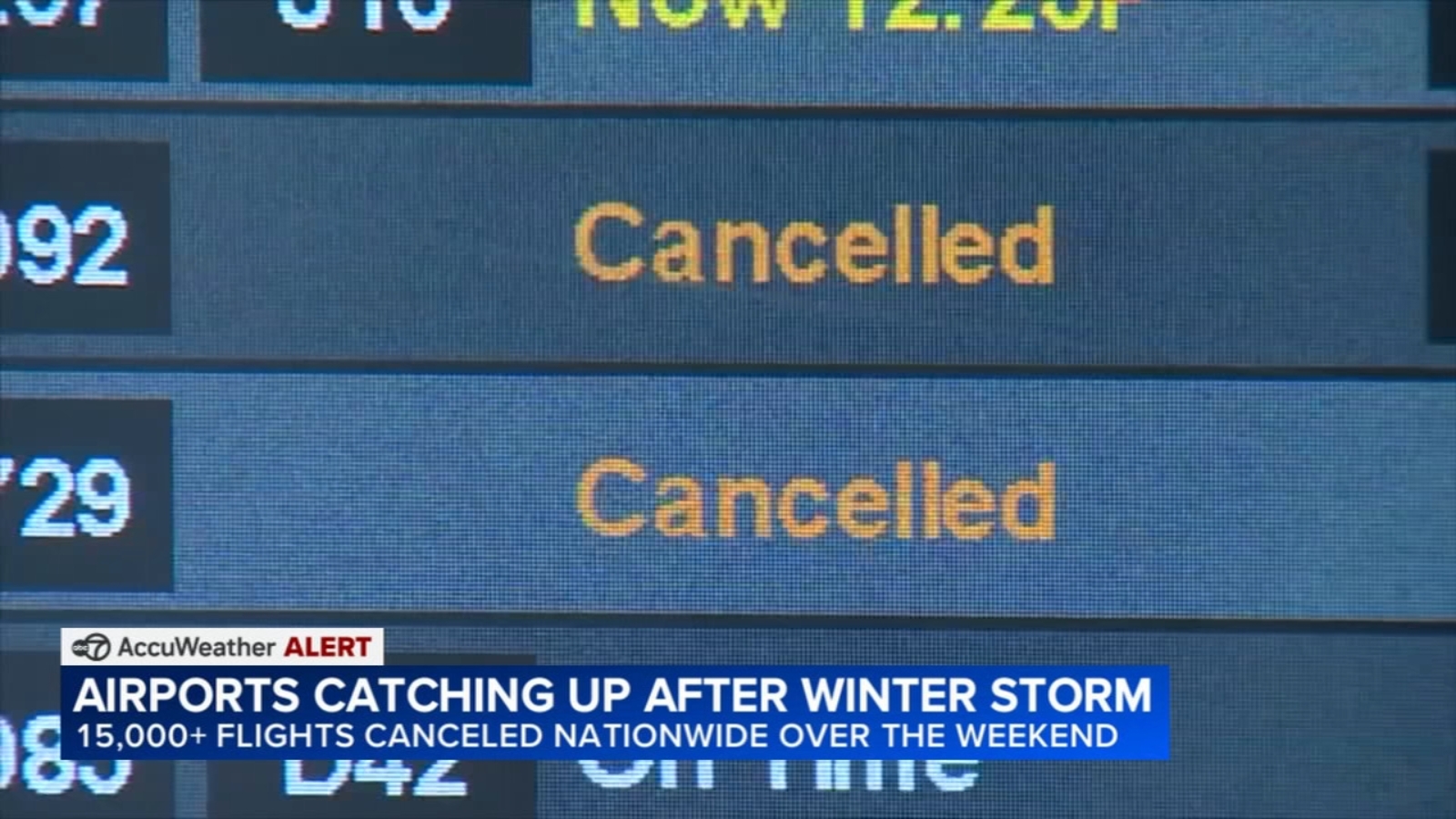
As the city manages the aftermath of the snow, Chicago’s airports are also striving to resume normal operations. This follows a weekend marked by thousands of flight cancellations nationwide, causing widespread travel disruptions.
Things have improved, compared to Sunday and there are not as many cancellations.
Between Sunday and Saturday, more than 15,000 of flights were cancelled nationwide as a major winter storm moved through the country.
The storm dumped snow and ice from the south all the way to the east.
Here in Chicago, we saw snow and continue to deal with frigid conditions.
The cancellations forced some people to consider driving to their destination.
“My flight has been canceled twice so far, but I made it here from international, so I’m probably driving to Columbus,” traveler Abel Girma said. “I don’t want to wait another two days.”
Some major hubs spent more than $30,000 an hour to keep runways plowed.
Major airlines are offering flight changes with no fees, for those who have impacted.
This comes after a snow storm blanked the area, with around 7-10 inches of snow falling in the city.
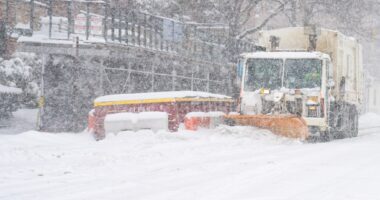
The heavy lake effect snow made it slow-going for IDOT and other crews clearing roads and street.
in Chicago, the Department of Streets and Sanitation deployed its fleet of 250 snow plows and salt spreaders over the weekend. They’ll be hitting more residential streets Monday.
Cook County Radar DuPage County Radar Will County Radar Lake County Radar (IL) Kane County Radar Northwest Indiana Radar
Copyright © 2026 WLS-TV. All Rights Reserved.