
Share this @internewscast.com

Federal agents conducted raids on the Pennsylvania residences of two young men linked to ISIS, who are accused of using lethal explosives during a heated protest near Gracie Mansion over the weekend.
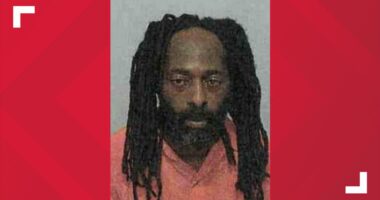
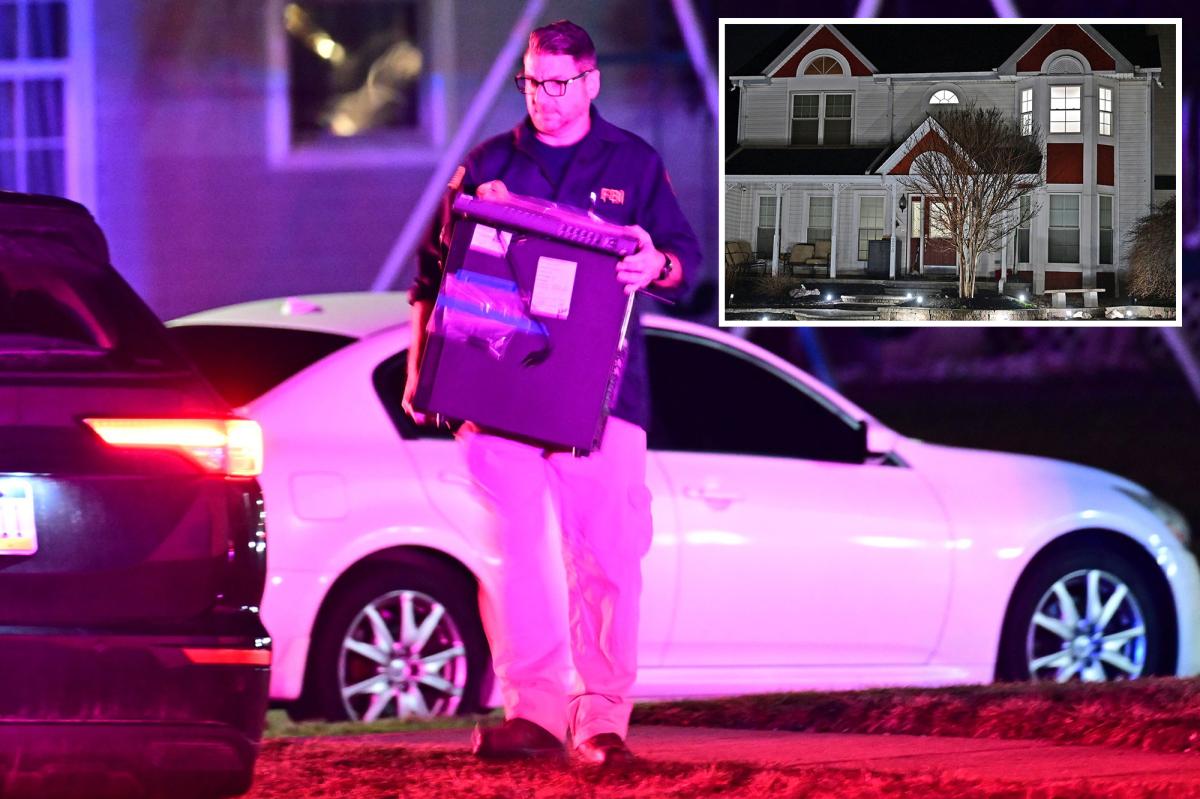
On Sunday, the FBI’s Evidence Response Team executed searches at the Langhorne homes of Ibraham Kayumi, 19, and Emir Balat, 18. These individuals were apprehended for allegedly deploying homemade explosive devices amidst a violent confrontation between right-wing supporters of Jake Lang and pro-Muslim demonstrators on Saturday afternoon.
Photos from the scene depicted agents removing various items, including what appeared to be computer components, from Balat’s residence.
“FBI New York is actively collaborating with NYPD and our law enforcement partners to investigate the explosive devices discovered outside Gracie Mansion yesterday afternoon,” the agency stated on X Sunday evening.
“The FBI and NYPD have confirmed that the suspicious objects were indeed improvised explosive devices (IEDs). The FBI Joint Terrorism Task Force (JTTF) is conducting interviews, analyzing videos, gathering evidence, and pursuing all potential leads.”
The crude explosives—consisting of a sports drink bottle filled with TATP and bound with construction tape—were thrown at Lang’s supporters during a tense standoff near the New York City residence of Mayor Zohran Mamdani, coinciding with a scheduled anti-Muslim rally initiated by a so-called “white supremacist” group.
The deadly devices — packed with the terrorist-favored volatile explosive known as “Mother of Satan” — fortunately failed to detonate, after police swiftly secured the bombs, removed the lethal mix and ended the threat.
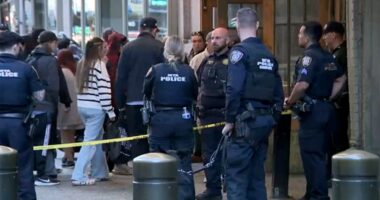
Video footage shows several heated scuffles that led to six arrests — including those of the two accused wannabe bombers.
Mamdani has come under fire for soft-pedaling the incident — and for not identifying who brought the bombs to the rally, while condemning Lang for organizing a rally “rooted in bigotry and racism.”
Local police leaders have called on him to declare the attack an act of terrorism.
“This was a clear cut terrorist attack,” the Sergeants Benevolent Association blasted on X Sunday, adding the rabblerousers are “testing” the mayor’s “resolve.”
“Whether you pass or fail this test depends on your resolve to protect this city. This was a terrorist attack by people who promote hate on both sides. We could have lost many cops and civilians yesterday. You should have already taken charge within the first hour not almost 24 hours later!”
Former governor Andrew Cuomo, who was soundly defeated by Mamdani in November, also took aim at the mayor over his handling of the attack.
“This was a terrorist attack, no slap on the wrist,” Cuomo told WABC Radio Sunday.
“Terrorism is a federal crime. Just let the federal government take it over, let them do the prosecution, and let them send a signal there is zero tolerance for terrorism. If you don’t do that, if you don’t do that in this moment, don’t be surprised what happens next. Thank God the bomb didn’t go off.”
TATP has been linked to high-profile terror attacks throughout the globe for more than a decade.
The botched explosive is so volatile that it typically doesn’t require a fuse to go off, sources said, adding the dangerous substance can be cobbled together using household items, making it cheap to produce.
“It’s designed to maim and kill,” one source told The Post.
“This is just luck no one is dead.”