Share this @internewscast.com
On December 10, 1945, detectives arrived at a murder scene to discover a disturbing note scribbled in lipstick on the wall.
The victim, Frances Brown, was found in her Chicago apartment, having been both stabbed and shot.
The haunting message read: “For heaven’s sake catch me before I kill more, I cannot control myself.”
Just six months prior, another Chicago resident, Josephine Ross, had been fatally stabbed under eerily similar circumstances, with nothing stolen from her home.
Then, in January 1946, a six-year-old girl was tragically abducted and killed.
Authorities soon connected these cases to a single perpetrator, although the evidence linking them was tenuous.
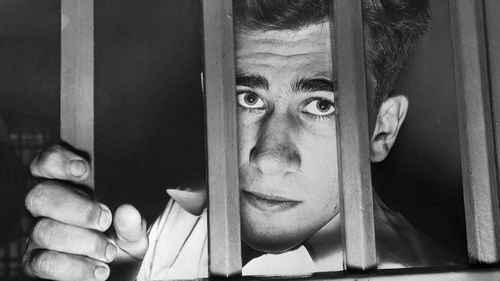
After 370 suspects were questioned, some under torture, a 17-year-old was arrested for attempted burglary.
William Heirens was interrogated for six days, during which time he was beaten, starved and drugged.
When drugged, Heirens spoke of another boy named George Murman who committed the crimes.
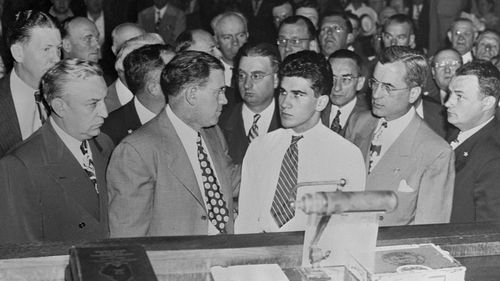
After questioning his family and friends without success, police concluded George was an alter-ego Heirens had created for himself.
The alter-ego allowed Heirens to psychologically separate himself from the crimes he had committed, police hypothesised.
A partial fingerprint found at the scene of the Frances Brown murder also did not eliminate Heirens as a suspect.
But the print was so smudged that two-thirds of the population could have matched it.
Convinced of his guilt, Heirens’ defence lawyers offered to make a deal with prosecutors.
If he pleaded guilty, he would be spared the electric chair but face a life sentence.
Using details he had read in the Chicago Tribune, Heirens drafted a confession under the supervision of his lawyers.
Police ignored the 29 inconsistencies between his confession and the facts of the case.
“I confessed to save my life,” he later said.
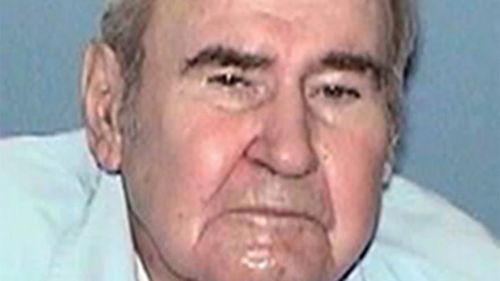
After his sentencing, the local sheriff asked Heirens if the little girl he had pleaded guilty to killing, Suzanne Degnan, had suffered.
“I can’t tell you if she suffered, Sheriff Mulcahy. I didn’t kill her,” Heirens said.
“Tell Mr Degnan to please look after his other daughter, because whoever killed Suzanne is still out there.”
At the time of his death in 2012, Heirens was the longest-serving prisoner in Illinois history