
Share this @internewscast.com
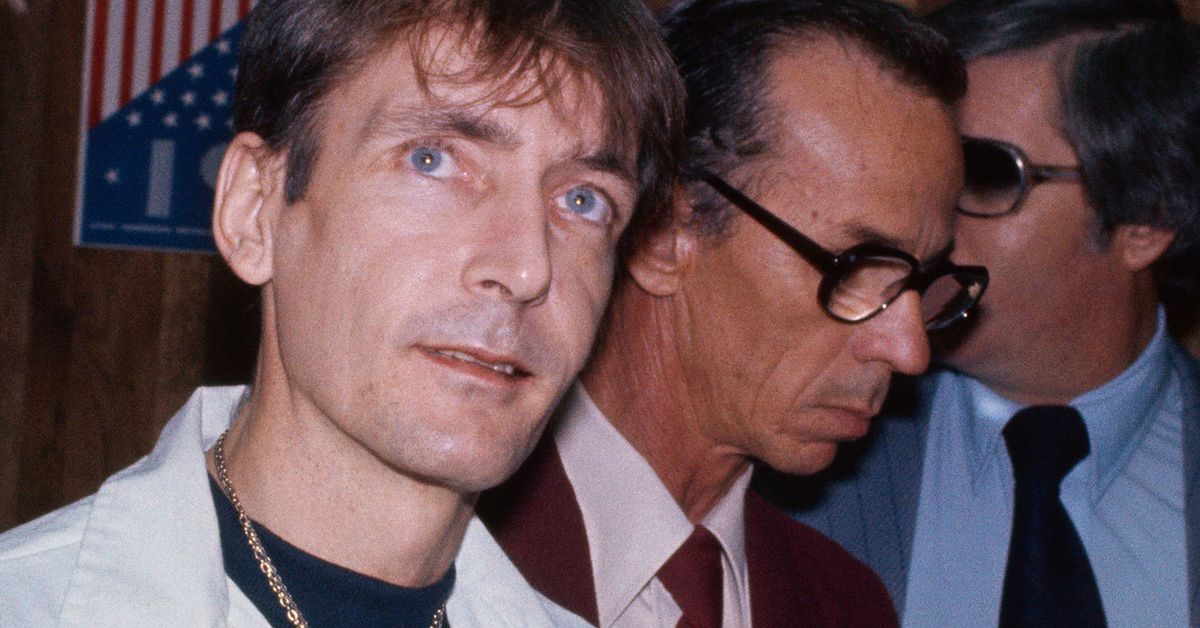
Only six months ago, Gary Gilmore committed two brutal crimes, robbing and murdering a gas station employee and a hotel manager on consecutive days.
Despite their compliance during the robberies, he ended their lives in cold blood.
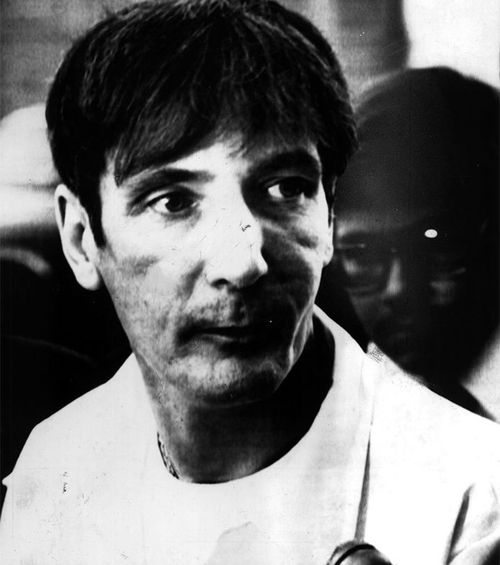
In a bizarre twist, as he attempted to dispose of the gun used in the killings, it accidentally discharged, injuring his own hand.
Authorities quickly apprehended Gilmore following this incident.
When the trial commenced in October, it was a swift process, taking merely two days with the jury reaching a verdict in just a few hours.
What set Gilmore apart was his unusual stance; he resisted all attempts to save him from the death penalty.
Gilmore said he wanted anti-death penalty activists to “butt out”.
When his mother tried to sue for a stay of execution, he fought to stop her lawsuit.
“This is my life and this is my death. It’s been sanctioned by the courts that I die and I accept that,” he said.
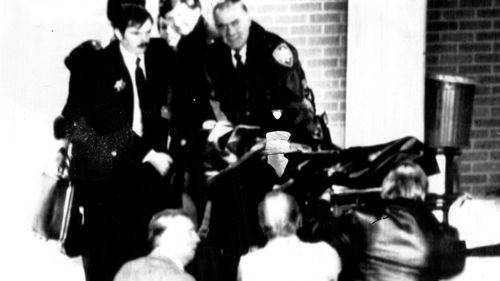
His last words were: “Let’s do it.”
Under Utah law, one person in the five-member firing squad would unknowingly be firing a blank.
This way, no-one would know for sure if they had killed the prisoner.
But when his brother looked at his body, he found there were five bullet holes in his shirt.
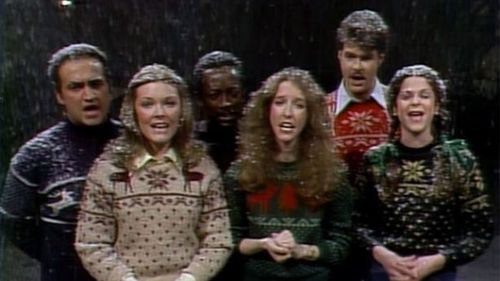
In a particularly macabre sketch, the comedy show Saturday Night Live sang a song called “Let’s Kill Gary Gilmore for Christmas” several days before his death.
Five years earlier, the United States Supreme Court had placed a moratorium on the death penalty.
The Supreme Court made the decision after an “emotionally disturbed and mentally impaired” man was sentenced to death after a one-day trial in 1968.
As a result of the moratorium, more than 600 prisoners on death row had their sentences commuted to life imprisonment.
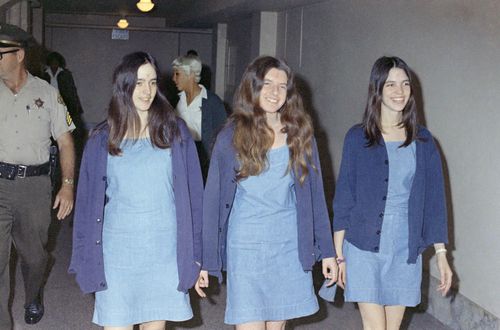
Among those spared were Robert F Kennedy’s assassin, Sirhan Sirhan, and the murderers in the Manson family.
The death penalty was reinstated after US states amended their laws to be more specific.