
Share this @internewscast.com
The judge has previously noted that the forthcoming 70 pages of grand jury documents regarding Jeffrey Epstein’s actions are not groundbreaking, describing them as “merely a hearsay snippet” of his behavior.
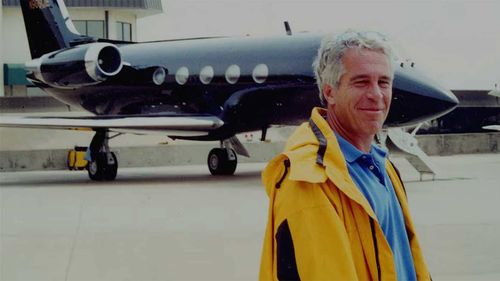
In a related move, a Manhattan federal judge on Tuesday mandated the release of records from Ghislaine Maxwell’s 2021 sex trafficking trial. This follows a Florida judge’s decision last week to unseal transcripts from a federal grand jury investigation into Epstein that was dropped in the 2000s.
The documents set to be made public represent only a fraction of the government’s extensive collection, which may comprise tens of thousands of pages. This archive includes FBI notes and reports, witness interview transcripts, photographs, videos, Epstein’s autopsy report, and his flight logs and travel itineraries.
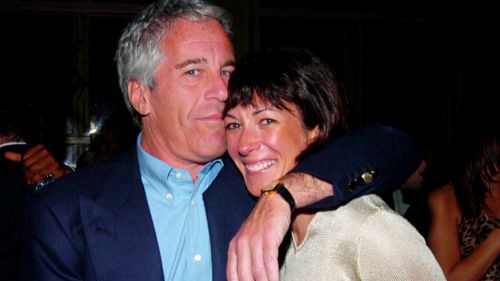
While Epstein’s estate has expressed neutrality regarding the Justice Department’s request to unseal these records, some victims of Epstein have voiced their support for their disclosure.
Brad Edwards, an attorney representing several victims, stated, “Releasing Epstein-related materials to the public is beneficial, provided that the victims’ privacy is safeguarded in the process.”
He added, “However, it’s important to note that grand jury proceedings typically contain only fundamental information, so these particular documents are relatively insignificant.”
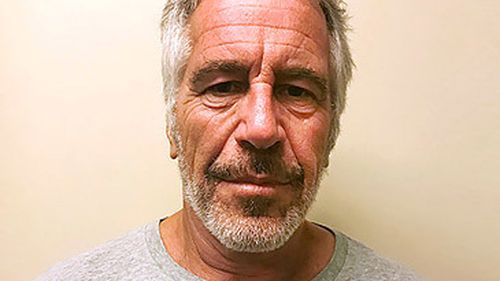
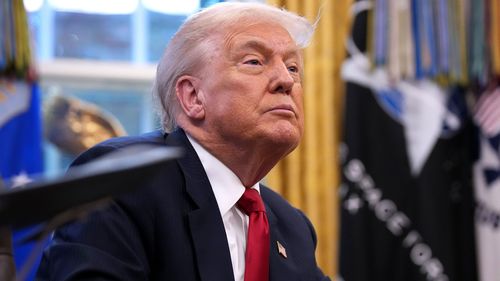
Questions about the government’s Epstein files have dominated the first year of Trump’s second term, with pressure on the Republican intensifying after he reneged on a campaign promise to release the files. His administration released some material, most of it already public, disappointing critics and some allies.
Berman was matter of fact in his ruling on Wednesday, writing that the transparency law “unequivocally intends to make public Epstein grand jury materials and discovery materials” that had previously been covered by secrecy orders. The law “supersedes the otherwise secret grand jury materials,” he wrote.
The judge, who was appointed by President Bill Clinton, a Democrat, implored the Justice Department to carefully follow the law’s privacy provisions to ensure that victims’ names and other identifying information are blacked out. Victim safety and privacy “are paramount,” he wrote.
In court filings, the Justice Department informed Berman that the only witness to testify before the Epstein grand jury was an FBI agent who, the judge noted, “had no direct knowledge of the facts of the case and whose testimony was mostly hearsay.”
The agent testified over two days, on June 18, 2019, and July 2, 2019. The rest of the grand jury presentation consisted of a PowerPoint slideshow and four pages of call logs. The July 2 session ended with grand jurors voting to indict Epstein.
Epstein, a millionaire money manager known for socialising with celebrities, politicians, billionaires and the academic elite, killed himself in jail a month after his 2019 arrest. Maxwell was convicted in 2021 by a federal jury of sex trafficking for helping recruit some of Epstein’s underage victims and participating in some of the abuse. She is serving a 20-year prison sentence.
Maxwell’s lawyer told a judge last week that unsealing records from her case “would create undue prejudice” and could spoil her plans to file a habeas petition, a legal filing seeking to overturn her conviction. The Supreme Court in October declined to hear Maxwell’s appeal.
Maxwell’s grand jury records include testimony from the FBI agent and a New York Police Department detective.
Judge Paul A Engelmayer sought to temper expectations as he approved their release on Tuesday, writing that the materials “do not identify any person other than Epstein and Maxwell as having had sexual contact with a minor.”
“They do not discuss or identify any client of Epstein’s or Maxwell’s,” wrote Engelmayer, an appointee of President Barack Obama, a Democrat.
“They do not reveal any heretofore unknown means or methods of Epstein’s or Maxwell’s crimes.”